
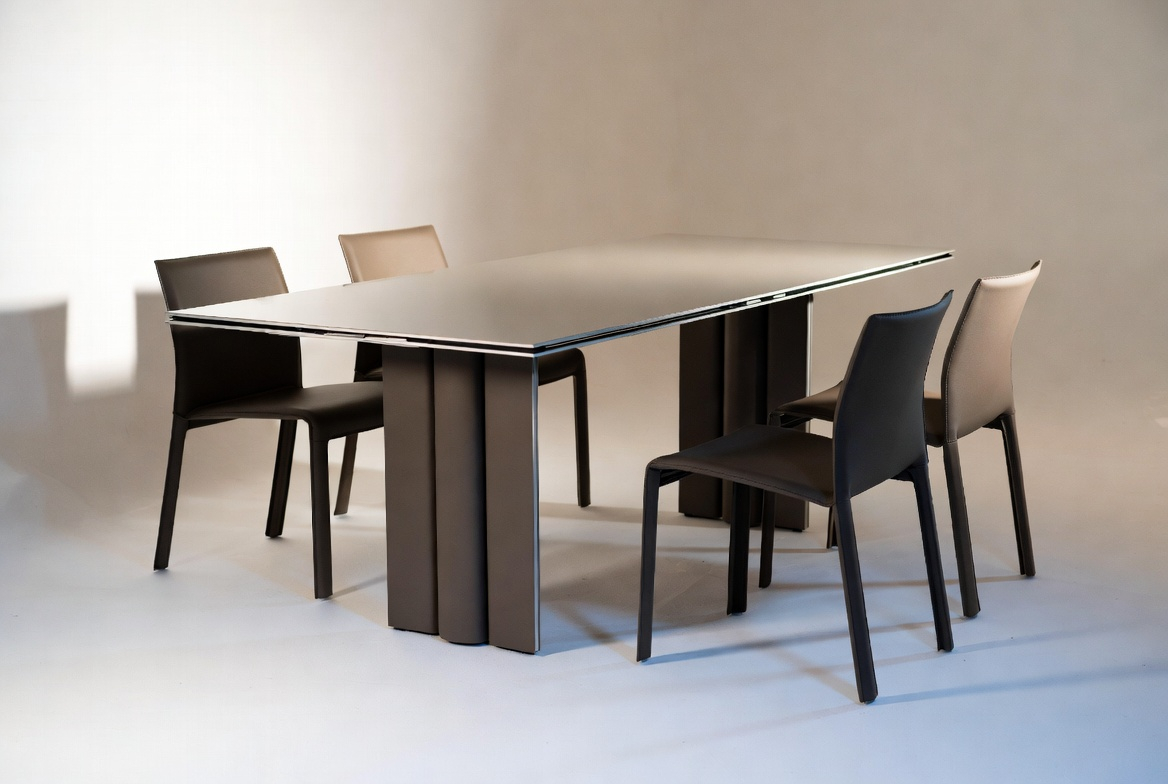
Room Layout 101: How Much Room for Dining Room Table and Chairs?
Have you ever walked into a dining room and felt instantly cramped, even though it’s a decent-sized space? Or maybe you’ve experienced the opposite—a massive table in a room so large that conversations feel distant and disconnected? The truth is, figuring out how much room you actually need for a dining room table and chairs is one of those home design decisions that can make or break your entire dining experience.
I’m going to walk you through everything you need to know about spacing, dimensions, and layout considerations. By the time you finish reading this, you’ll have the confidence to arrange your dining area perfectly, whether you’re working with a cozy apartment or a sprawling home.
Understanding the Basics: What Space Do You Really Need?
Let’s start with the fundamental question: what’s the bare minimum space required for a functional dining room? The answer depends on several factors, but the industry standard typically suggests you need at least 10 feet by 12 feet for a basic dining setup. However, this is really just the starting point.
Think of your dining room like a dance floor. You need enough room for people to move around comfortably without bumping into chairs or feeling like they’re in a game of musical chairs. The magic number that professionals use is roughly 36 to 48 inches of clearance around your table—that’s the space between the edge of your table and the wall or any other furniture piece.
The Critical Rule: Measuring Clearance Around Your Table
This is where most people make their first mistake. They buy a beautiful table without considering the space needed around it. Let me break down the proper clearance measurements for you.
The 36-Inch Minimum Standard
If you’re working with a tighter space, 36 inches of clearance is the bare minimum distance between your table edge and walls or other furniture. This allows someone to pull out a chair and sit down without too much struggle. Imagine trying to squeeze into a parking space—36 inches is tight, but it works if you’re careful.
The 48-Inch Sweet Spot
Now, if you have the luxury of extra space, 48 inches (that’s 4 feet) is the ideal clearance. This is the distance that makes your dining experience feel natural and unforced. People can push their chairs back, stand up, and move around without feeling like they’re navigating an obstacle course.
Going Beyond: The Luxury Zone
Some high-end dining rooms go even further, offering 60 inches or more of clearance. This is when your dining room truly feels spacious and elegant, but it’s not necessary for functionality.
Table Dimensions: Choosing the Right Size for Your Space
Now that you understand clearance, let’s talk about the table itself. The size of your dining table should complement your room, not dominate it.
Rectangular Tables: The Most Common Choice
Rectangular tables are the workhorse of dining rooms. Here’s what you should know about their dimensions:
- Standard rectangular tables typically measure 36 inches wide and range from 48 to 96 inches in length
- A 48-inch table seats four people comfortably
- A 60-inch table accommodates six people
- A 72-inch table is perfect for eight people
- Tables longer than 96 inches require significantly more space and work better in formal dining rooms
The width of your table matters too. If you go narrower than 36 inches, you’ll struggle with place settings and serving food. Wider tables, at 42 inches, allow for more elbow room and accommodate serving dishes more easily.
Round Tables: The Space Savers
Round tables are like the Swiss Army knife of dining furniture. They take up less floor space than rectangular tables with the same seating capacity, and they create an intimate, conversational setting.
- A 36-inch round table seats two to three people
- A 42-inch round table seats four to five people
- A 48-inch round table seats five to six people
- A 54-inch round table seats six to eight people
- A 60-inch round table seats eight to ten people
Round tables are excellent for smaller dining rooms because they don’t create awkward corner spaces. Plus, there’s no head or foot of the table, which creates a more egalitarian dining atmosphere.
Square Tables: Modern and Flexible
Square tables sit somewhere between rectangular and round options. A 36-inch square table seats four, while a 48-inch square accommodates six to eight people. They work particularly well in contemporary homes and can be pushed together if you need extra seating occasionally.
Chair Dimensions and Spacing: Don’t Forget About the Seats
Your chairs are just as important as your table when calculating space. Think about this: you can have the perfect table in a perfect room, but if your chairs are too large or poorly spaced, the whole setup fails.
Standard Chair Dimensions
Most dining chairs measure approximately 16 to 18 inches wide and 18 to 20 inches deep. When you pull a chair out from the table to sit down, you’re adding an additional 16 to 20 inches of depth to your table footprint.
Space Between Chairs
You want about 12 to 16 inches between chairs when they’re tucked under the table. This spacing allows people to sit comfortably without their elbows touching their neighbors. When chairs are pulled out, you’re looking at significantly more space, which is why that overall clearance measurement becomes so critical.
Calculating Your Total Space Needs: A Step-by-Step Guide
Let me give you a practical formula you can actually use in your home.
Step One: Measure Your Room
First, grab a measuring tape and measure the length and width of your dining room or dining area. Write these numbers down. Be precise—even a few inches matters.
Step Two: Determine Your Ideal Table Size
How many people do you typically need to seat? Not for special occasions, but for regular meals? This is your baseline. Most families are comfortable with a table that seats their household plus two to four guests.
Step Three: Add the Clearance
Take your table dimensions and add 36 to 48 inches on all sides (36 on each end, 36 on each side). This gives you your minimum footprint requirement. For example:
- A 60-inch by 36-inch table needs a minimum 132-inch by 84-inch space (that’s 11 feet by 7 feet)
- With 48-inch clearance, you’d need a 156-inch by 132-inch space (that’s 13 feet by 11 feet)
Step Four: Account for Additional Furniture
Do you have a buffet, sideboard, or bar cart in your dining room? These need to be factored in. Typically, you want another 24 to 36 inches of clearance from these pieces so they don’t interfere with your dining flow.
Room Shapes and How They Affect Your Layout
Not all dining rooms are created equal. Your room’s shape significantly impacts how you can arrange your furniture.
Rectangular Rooms: The Easiest to Work With
If you have a rectangular dining room, you’re in luck. These rooms are straightforward to plan. Position your table so you have at least 36 inches from the walls on the shorter sides and 48 inches from the walls on the longer sides if possible. This creates a balanced, functional layout.
Square Rooms: The Tricky Middle Ground
Square rooms present a unique challenge. A rectangular table centered in a square room can feel awkward. Many designers recommend using a round or square table in these spaces instead. This distributes the visual weight more evenly and makes the room feel more intentional.
Irregular or L-Shaped Rooms: Embrace the Asymmetry
These rooms require more creative thinking. Sometimes the dining area is tucked into an alcove or corner. In these cases, you might need to adjust your clearance expectations slightly, but try to maintain at least 36 inches on your most-used sides.
Open-Concept Living: Dining in Multi-Purpose Spaces
Many modern homes feature open-concept designs where the dining room flows directly into the kitchen and living areas. This changes the equation considerably.
In open-concept spaces, you typically want even more clearance around your dining table because people moving from the kitchen or living area need to pass through. Aim for 48 inches of clearance in these situations, and consider traffic patterns. Don’t position your table directly in the path between your kitchen and living room unless you’re okay with constant foot traffic.
Lighting Considerations in Relation to Table and Chair Placement
Here’s something that often gets overlooked: lighting. The position of your dining table relative to light sources matters more than you might think.
If you have a chandelier or pendant light directly above the table, position your table so it sits squarely under the fixture. This provides optimal lighting for dining and creates a focal point for the room. Make sure the lowest point of your hanging light is at least 30 to 36 inches above the table surface. This prevents glare and maintains sightlines across the table.
Expandable Tables: When You Want Flexibility
If you entertain frequently or have a growing family, an expandable table might be your answer. These come in various styles and mechanisms:
- Drop-leaf tables: Great for small spaces, they expand by adding leaves that fold down from the sides
- Butterfly extension tables: The legs fold in as you extend the table, maximizing usable space
- Traditional pedestal extensions: The top separates, and you insert leaves in the middle
With expandable tables, measure for both the closed and extended configurations. You need sufficient clearance for your expanded length, even if you only achieve it occasionally.
Common Mistakes People Make When Sizing Their Dining Areas
Let me share some pitfalls I’ve seen people stumble into repeatedly.
Buying Too Large a Table
This is the most common mistake. People fall in love with a stunning table without considering their room. They end up with a table that technically fits but leaves no clearance for chairs. The result is a beautiful but completely unusable centerpiece.
Ignoring Ceiling Height
A low ceiling can make a large table feel oppressive. If your ceiling is less than 8 feet, consider using a table with a more delicate base or a lighter colored top to minimize the visual weight.
Forgetting About Doorways
Can you actually get your table through your doorways? This seems obvious, but people forget to measure. A table 48 inches wide won’t fit through a standard 36-inch doorway. If your table arrives in one piece, you need doorway access that accommodates it.
Neglecting Traffic Flow
Position your table with overall traffic patterns in mind. The path from the kitchen to living room, the route to the bathroom—these shouldn’t cut directly through your dining space if you can help it.
Small Space Solutions: Making Dining Rooms Work in Compact Homes
Not everyone has a sprawling dining room. If you’re working with limited square footage, here are practical solutions:
- Choose a round or square table instead of rectangular—they’re more efficient in tight spaces
- Use a pedestal base instead of legs—this maximizes chair placement around the table
- Consider a wall-mounted table that folds down when not in use
- Use benches instead of chairs on one side, which saves space and seats more people
- Look for slim-profile chairs that tuck neatly under the table
- Mount floating shelves instead of a sideboard to maintain clear floor space
Formal Dining Rooms: When Elegance Requires More Space
If you’re designing a formal dining room, you’ll want to be more generous with your clearance. Formal dining typically demands more visual breathing room. Aim for 48 to 60 inches of clearance on all sides.
Formal dining rooms also benefit from additional space for a sideboard or bar cart, positioned strategically so it’s accessible but doesn’t interrupt the flow. Many formal dining rooms use the 8-foot rule—trying to maintain at least 8 feet of unobstructed space somewhere in the room, often the side opposite the main entrance.
Kids and Dining Space: Special Considerations for Families
If you have children, you might want to adjust your thinking slightly. Kids need a bit more clearance as they’re still learning to navigate space carefully. Extra room also makes cleanup easier when spills happen—and let’s be honest, they will.
High chairs add another dimension to the equation. If you’re using a high chair, you need an additional 24 to 30 inches of width on one side of your table. Plan for this even if you’re past the high chair phase but planning for future grandchildren.
Testing Your Layout: Before You Buy
Before committing to a table purchase, test your layout. Here’s how:
- Use painter’s tape on your floor to outline the dimensions of your planned table
- Place chairs around the tape outline
- Have family members try sitting and moving around
- Walk around the perimeter to test clearance
- Open doors to make sure they don’t hit chairs or the table
- Practice your normal movement patterns—reaching the kitchen, accessing other rooms
This simple test saves you from expensive mistakes. You’ll quickly discover if your plans are realistic or if you need to adjust.
Measuring Tools and Resources You’ll Need
You don’t need fancy equipment. Here’s what works:
- A measuring tape, preferably 25 feet or longer
- A notepad for recording measurements
- Painter’s tape for marking out table dimensions
- A smartphone to take photos and measurements with apps
- Graph paper for sketching your layout to scale
Plenty of free apps now allow you to map out your room digitally, which can be incredibly helpful for visualizing different furniture arrangements.
Conclusion
Determining how much room you need for a dining room table and chairs doesn’t have to be complicated. The key is understanding that you need three layers of measurement: the table itself, the chairs, and the clearance around everything. Your baseline is 36 inches of clearance, but 48 inches is optimal. Account for your room shape, traffic patterns, and how you actually use your space. Test your layout before buying, and don’t be afraid to adjust standard recommendations based on your specific situation. With these guidelines in mind, you’ll create a dining space that’s both beautiful and truly functional—a place where people actually want to gather and linger over meals.




![7 Best Affordable Dining Chairs [2026]](https://seatvit.com/wp-content/uploads/2026/06/7-best-affordable-dining-chairs-2026-featured-768x432.jpg)