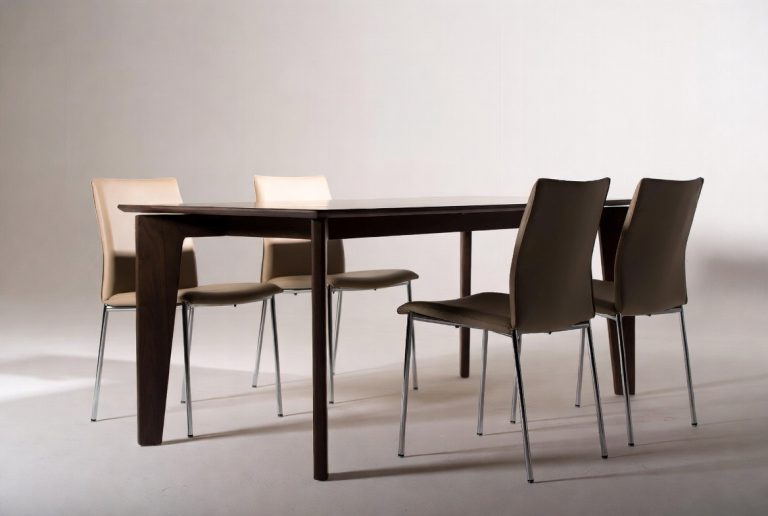

How to Clean Linen Dining Chairs Safely
You can absolutely clean your linen dining chairs safely. The best approach involves a gentle touch and the right cleaning solutions for fabric. Always start with a spot test in an inconspicuous area to ensure no damage or discoloration occurs.
Linen upholstery can be delicate, so it’s wise to understand its specific needs. Many common household cleaners might be too harsh. We found that using a mild soap or a specialized fabric cleaner is usually the safest bet. Protecting your furniture means being a little patient and careful.
- Always spot test first.
- Use mild soap or fabric cleaner.
- Blot stains gently; don’t scrub.
- Allow chairs to air dry completely.
- Check manufacturer’s care tag.
Let’s walk through exactly how to get those dining chairs looking their best, step by step.
Your linen dining chairs add a touch of elegance to your home. But, life happens, and spills are inevitable. You might be wondering how to tackle those inevitable stains without damaging the delicate linen fabric. Don’t worry, we’ve got you covered! Cleaning your linen dining chairs safely is totally achievable with the right approach. We found that a little patience and the correct tools go a long way in preserving their beauty.
Caring for Your Linen Upholstery
Linen is a natural fiber derived from the flax plant. It’s known for its durability and a beautiful, slightly textured appearance. However, its natural fibers can be sensitive to harsh chemicals and excessive moisture. Understanding these properties is key to safe cleaning. Many experts recommend a gentle approach for natural fabrics. This helps maintain the integrity of the weave and prevent permanent damage.
First Steps: Preparation is Key
Before you even think about cleaning solutions, let’s get your chairs ready. You’ll want to remove any loose debris. This is like sweeping the floor before mopping. It prevents rubbing dirt deeper into the fabric. You can use a soft-bristled brush for this. Or, a vacuum cleaner with an upholstery attachment works wonders. Gently go over the entire surface of the chair. This includes the seat, back, and even the legs if they have fabric.
Understanding Cleaning Codes
Did you know upholstery often comes with a secret code? These codes tell you exactly how to clean them. It’s like a little cheat sheet from the manufacturer. You’ll usually find this tag on the underside of the cushion or the frame. Look for letters like ‘W’, ‘S’, ‘W/S’, or ‘X’.
Decoding the Labels
- W: This means you can use a water-based cleaner. Think mild soap and water.
- S: This indicates a solvent-based cleaner is best. Avoid water!
- W/S: Lucky you! You can use either water-based or solvent-based cleaners.
- X: This is the most delicate. You should only vacuum or brush. No liquids at all.
Always check this tag first. It’s your best guide. If you can’t find it, err on the side of caution and assume it’s delicate. We found that many linen chairs fall into the ‘W’ or ‘W/S’ categories. But, it’s always smart to double-check.
The All-Important Spot Test
This step is non-negotiable. Seriously. Before applying any cleaner to a visible stain, test it on a hidden area. The back of the chair or a skirted edge is usually a good spot. Apply a small amount of your chosen cleaner. Then, let it sit for a few minutes. Blot it gently with a clean white cloth. Allow the area to dry completely. Inspect it for any color change, water rings, or fabric damage. If it looks good, you’re likely in the clear to proceed. This simple test can save you a lot of heartache later on.
Your Cleaning Arsenal: What You’ll Need
Gathering your supplies beforehand makes the process much smoother. You don’t want to stop mid-clean to hunt for a clean towel. We recommend having these items on hand:
- Soft cloths (microfiber is great)
- A soft-bristled brush
- Vacuum cleaner with upholstery attachment
- Mild dish soap or a designated upholstery cleaner
- Distilled water (tap water can sometimes leave mineral stains)
- Spray bottle
- A bucket
For General Freshening and Light Stains
Often, your chairs just need a gentle refresh. Or maybe a small, fresh spill. For these situations, a simple water-based solution is usually best, especially if your tag says ‘W’ or ‘W/S’.
Start by mixing a tiny amount of mild dish soap with distilled water in a bucket. You want suds, but not an overwhelming amount. Dip a clean cloth into the solution. Wring it out thoroughly so it’s just damp, not wet. Gently blot the stained area. Work from the outside of the stain inward. This prevents spreading it further. Avoid scrubbing vigorously. Scrubbing can damage the linen fibers. We found that blotting is much more effective for lifting stains.
Drying is Crucial
After blotting, use a separate, dry cloth to absorb any excess moisture. Then, let the chair air dry completely. You can even use a fan to speed up the process. Avoid using heat, like a hairdryer on a hot setting, as this can set stains or shrink fibers.
Tackling Tougher Stains
Sometimes, life throws more than just a minor spill. For grease or ink stains, you might need a different approach. If your care tag is ‘S’ or ‘W/S’, a solvent-based cleaner might be necessary. These are often available at fabric or upholstery stores. Always follow the product instructions precisely. If your tag is ‘W’, then you’ll need to be extra careful and perhaps consult a professional cleaner. For general tougher stains where water-based is permitted, research a reputable upholstery stain remover. Many experts suggest using these sparingly.
Specific Stain Strategies
- Grease: For oily stains, baking soda can be a lifesaver. Sprinkle it liberally over the stain. Let it sit for several hours or overnight. The baking soda absorbs the grease. Then, vacuum it up. Follow with a gentle damp cloth if needed.
- Ink: Rubbing alcohol can sometimes work on ink. Apply a small amount to a cotton swab. Dab it onto the ink mark. Blot with a dry cloth. Repeat as needed. Remember to spot test first!
A Checklist for Success
Here’s a quick rundown to keep you on track:
- Check the care tag for cleaning codes.
- Vacuum away loose dirt and debris.
- Always perform a spot test first.
- Use minimal moisture when cleaning.
- Blot gently, never scrub.
- Allow chairs to air dry completely.
By following these steps, you can confidently clean your linen dining chairs. You’ll help them stay beautiful for many meals to come!

Conclusion
You’ve learned that cleaning your linen dining chairs doesn’t have to be scary. With the right preparation and gentle techniques, you can tackle spills and keep them looking their best. Always remember to check the care tag and spot test any cleaner before you start. Your linen chairs are an investment in your home’s style. By following these safe cleaning steps, you’re ensuring they remain beautiful and inviting for years of shared meals and memories. The key is patience and using the right tools for the job.
Frequently Asked Questions
Can I use a regular vacuum cleaner on my linen dining chairs?
Yes, you can use a vacuum cleaner, but with care. Always use the upholstery attachment to avoid damaging the delicate linen fibers. Gently go over the entire chair surface to remove loose dirt and debris before any wet cleaning. Avoid using the regular floor attachment, as it can be too harsh.
What if my linen chair’s care tag is missing?
If you can’t find the care tag, it’s best to assume your linen is very delicate. We recommend sticking to gentle vacuuming and brushing only. If a stain occurs, try a very mild soap and water solution, always spot testing first, and use minimal moisture. For tougher stains, consider consulting a professional upholstery cleaner.
How do I prevent water rings on linen upholstery?
Water rings happen when moisture evaporates unevenly, leaving a mark. To prevent them, use distilled water whenever possible, as tap water can contain minerals. When cleaning, use as little moisture as you can, and blot the area gently rather than soaking it. Always allow the chairs to air dry completely, perhaps using a fan to speed the process.
Is it okay to use a steam cleaner on linen chairs?
Generally, it’s best to avoid steam cleaners on linen upholstery unless the care tag specifically allows it. Steam uses a lot of heat and moisture, which can damage linen fibers, cause shrinkage, or even set stains permanently. Stick to the gentle blotting and air-drying methods we discussed for the safest results.
How often should I clean my linen dining chairs?
For general maintenance and to keep them looking fresh, a light vacuuming once a week is a good idea to remove dust and crumbs. For actual cleaning of spills or stains, address them as soon as they happen. Deep cleaning or spot cleaning specific areas should be done only as needed, rather than on a set schedule, to avoid over-working the fabric.
![7 Best Affordable Dining Chairs [2026]](https://seatvit.com/wp-content/uploads/2026/06/7-best-affordable-dining-chairs-2026-featured-768x432.jpg)