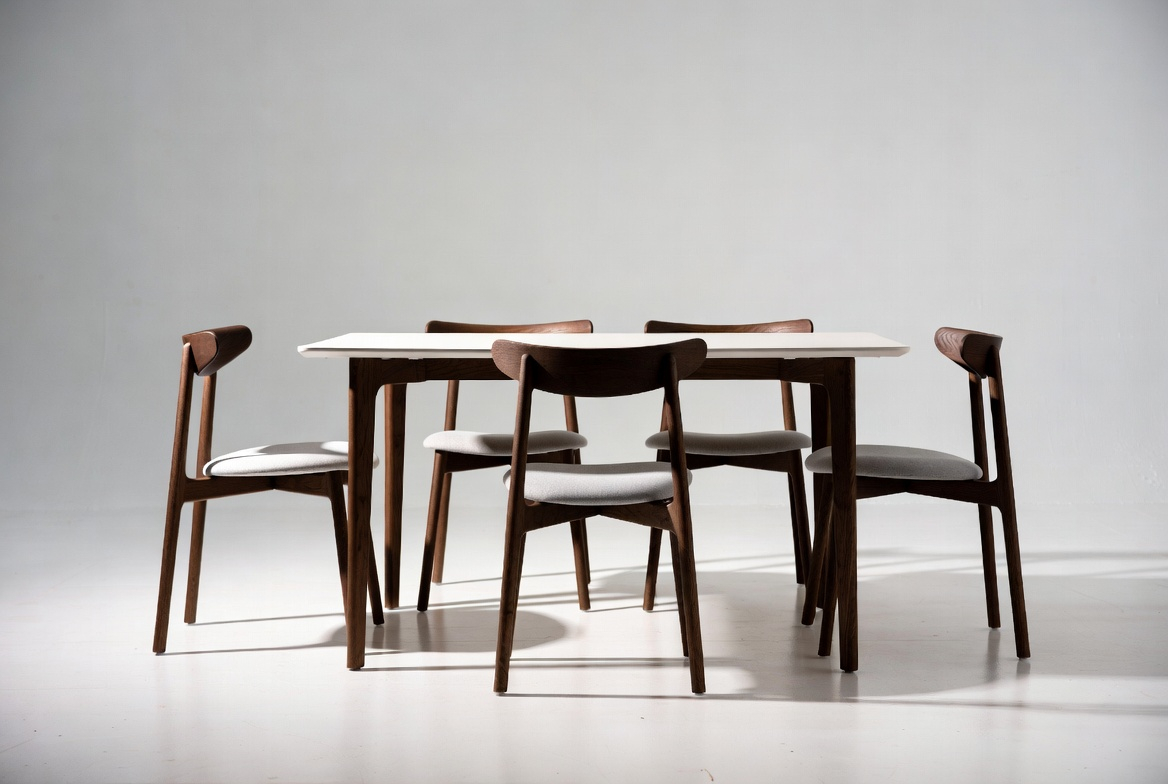
Designer Secrets: How to Choose the Best Fabric for Dining Room Chairs
When you’re sitting down for dinner with your family, do you ever think about what you’re actually sitting on? Most of us don’t. But here’s the thing—the fabric on your dining chairs plays a huge role in how comfortable, stylish, and functional your entire dining experience becomes. Choosing the right fabric isn’t just about picking something that looks pretty; it’s about finding the perfect balance between aesthetics, durability, and practicality.
Think of your dining chairs like the foundation of a house. Get it wrong, and everything else crumbles. Get it right, and you’ve got a solid base for years of enjoyable meals and gatherings. Whether you’re furnishing a brand-new dining space or giving your current chairs a much-needed upgrade, this guide will walk you through everything you need to know.
Understanding Your Lifestyle and Dining Habits
Before you even start looking at fabric swatches, take a moment to think about how you actually use your dining room. Are you someone who hosts dinner parties every weekend? Do you have young children who might spill juice or sauce on those chairs? Or are you more of a formal entertainer who uses the dining room for special occasions only?
Your lifestyle is the compass that should guide every fabric decision you make. I can’t stress this enough—choosing a delicate silk fabric for a family with three kids and a golden retriever is like bringing a white sofa to a construction site. It simply won’t work.
High-Traffic Dining Spaces
If your dining room is the heart of your home where people gather daily, you need fabrics that can withstand constant use. Look for performance fabrics that are specifically engineered to resist stains, fading, and wear. These aren’t your grandmother’s upholstery fabrics—modern performance materials look and feel luxurious while practically laughing in the face of everyday accidents.
Family-Friendly Considerations
Parents know the truth: dining chairs in a family home are basically targets for spills. Kids learning to feed themselves, sauce splattering during dinner, the occasional juice box mishap—it all happens. For these situations, you’ll want something that’s easy to clean, forgiving, and doesn’t show stains easily. Darker colors and textured fabrics are your friends here.
Formal Dining Situations
If your dining room is reserved for special occasions and you’re more careful about what happens in that space, you can afford to be a bit more adventurous with your fabric choices. Even more delicate materials can work beautifully when they’re not subjected to constant wear and tear.
Exploring Different Fabric Types
Not all fabrics are created equal. Each type has its own personality, strengths, and weaknesses. Let’s dive into the most popular options for dining chair upholstery.
Cotton: The Classic Choice
Cotton is like the reliable friend who’s always there for you. It’s breathable, comfortable, and comes in virtually every color and pattern imaginable. Cotton fabrics are soft to the touch and create that warm, inviting feeling in a dining space.
However, pure cotton does have its limitations. It can wrinkle, stain relatively easily, and isn’t as durable as some other options. The good news? You can blend cotton with other fibers to enhance its performance. A cotton-polyester blend gives you the best of both worlds—the comfort and appearance of cotton with added durability and stain resistance.
Linen: The Elegant Alternative
If you’re drawn to natural fibers with a more sophisticated vibe, linen is your answer. It has a beautiful, slightly textured appearance that adds character to any dining space. Linen is also incredibly strong and becomes softer with every wash, making it a fabric that improves with age.
The downside? Linen wrinkles easily and can be prone to staining if not treated properly. It’s also typically more expensive than cotton. But if you love that relaxed, European elegance look and you’re willing to put in a bit of maintenance effort, linen is worth the investment.
Polyester: The Practical Performer
Don’t overlook polyester just because it sounds synthetic. Modern polyester fabrics are remarkably soft and can look incredibly luxurious. They’re champion stain resisters and hold color beautifully without fading, even in bright sunlight.
Polyester is affordable, durable, and easy to maintain. For families or anyone who wants fabrics that can take a beating without complaining, polyester is genuinely one of your best bets. The only real consideration is ensuring you choose a high-quality polyester that feels good against your skin.
Velvet: The Luxurious Indulgence
Velvet on a dining chair? Absolutely, if you do it right. This plush, rich fabric adds undeniable elegance and comfort to any seating. Running your hand across velvet upholstery is pure luxury.
But here’s where I need to be honest: velvet requires care and attention. It can crush and show wear patterns if not maintained properly. It’s also more prone to showing dust and can be tricky to clean. Save velvet for dining rooms that aren’t in the thick of daily family chaos, or opt for high-performance velvet blends designed specifically for upholstery.
Leather: The Timeless Investment
Leather dining chairs scream sophistication and formality. Real leather is durable, develops a beautiful patina over time, and is surprisingly easy to clean—most spills just wipe right off.
The investment is substantial, both financially and in terms of maintenance. Leather needs conditioning to prevent cracking and drying out. It can also feel cold to the touch and might not be comfortable in every climate. That said, a leather dining chair can genuinely last for decades, making it a worthwhile investment for the right situation.
Color Selection: More Important Than You Think
The color of your dining chair fabric isn’t merely decorative—it’s functional. The shade you choose directly impacts how often you’ll need to clean, how obvious stains will be, and how the space feels overall.
Light Colors: Beauty with Responsibility
Light-colored fabrics like cream, beige, and pale gray create an airy, sophisticated atmosphere. They make spaces feel larger and more open. But they’re also unforgiving—every speck of dirt shows, and stains are impossibly visible.
If you absolutely love light colors, invest in a quality fabric protector and be prepared for regular cleaning. Alternatively, choose light colors with subtle patterns or textures that help camouflage minor imperfections.
Dark Colors: Practical Elegance
Dark colors like navy, charcoal, and deep brown are the practical person’s best friend. Stains are virtually invisible, dust is hidden, and they maintain their appearance between cleanings. Dark fabrics also create a more intimate, formal dining atmosphere.
The trade-off is that dark colors can make spaces feel smaller and heavier. Pair them with light walls or table settings to maintain balance and prevent your dining room from feeling cave-like.
Pattern and Texture: Visual Interest
Patterns are your secret weapon for hiding stains while adding personality. Geometric prints, subtle florals, or textured weaves all help disguise imperfections while creating visual interest. Texture also adds dimension—it catches light differently and makes the fabric appear more sophisticated.
Durability Ratings: Decoding the Numbers
When you’re shopping for fabric, you’ll notice something called the Martindale count or rub test rating. This number tells you how many times a fabric can be rubbed before showing visible wear. Think of it as the fabric’s endurance score.
- Under 10,000: Light residential use only (occasional dining)
- 10,000-15,000: Moderate residential use (regular family dining)
- 15,000-30,000: Heavy residential or commercial use (high-traffic families)
- Over 30,000: Commercial grade (perfect for chaos)
For most dining situations, you want at least 15,000 Martindale count. This ensures your fabric can handle reasonable wear without falling apart. For families with young children or anyone who uses their dining room frequently, aim for 20,000 or higher.
Stain Resistance and Treatment Options
One of the smartest investments you can make is applying a fabric protector. These treatments create an invisible barrier that repels liquids and prevents stains from setting into the fibers.
Factory-Applied Treatments
Many quality fabrics come pre-treated with stain protection from the manufacturer. These treatments are built into the fabric and typically hold up better over time than applications added later. When you’re shopping, ask whether the fabric has factory-applied protection.
Professional Application
If your fabric isn’t pre-treated, consider having a professional apply protection after your chairs are upholstered. It’s not terribly expensive and can genuinely extend the life of your upholstery by years. Brands like Scotchgard are industry standards for a reason—they work.
DIY Treatment Options
You can also purchase consumer-grade fabric protectors to apply yourself. While these aren’t quite as robust as professional treatments, they do provide meaningful protection and are budget-friendly.
Matching Fabric to Your Design Style
Beyond practicality, your fabric choice needs to harmonize with your interior design aesthetic. The fabric should enhance your design vision, not fight against it.
Modern Minimalist Spaces
Clean lines and solid colors work best here. Neutral tones like gray, black, or white allow the chair’s silhouette to shine. Look for smooth, structured fabrics that emphasize the contemporary feel you’re going for.
Traditional and Formal Dining Rooms
Rich colors, elegant patterns, and luxurious textures belong here. Think jewel tones, damask patterns, and plush fabrics like velvet or high-quality cotton blends. These fabrics should feel formal and refined.
Casual and Family-Oriented Spaces
Here’s where you can have fun with color and pattern. Playful prints, warm colors, and forgiving, durable fabrics are perfect. The goal is comfortable and inviting, not precious.
Eclectic and Bohemian Aesthetics
Mix textures, layer patterns, and embrace color. Linen, cotton blends, and textured fabrics work beautifully. You have the freedom to experiment and create something uniquely yours.
Fabric Blends: Getting the Best of Everything
In my experience, fabric blends are often superior to pure fibers for dining chair use. A blend combines the strengths of different materials while minimizing individual weaknesses.
For example, a cotton-polyester blend gives you the breathability and appearance of cotton with the durability and stain resistance of polyester. A linen-cotton blend offers linen’s elegance with improved stability. These combinations are like having your cake and eating it too—you don’t have to sacrifice aesthetics for functionality.
Testing Fabric Before Committing
Never choose a fabric based solely on a small swatch held under fluorescent store lighting. Here’s what you should do instead:
- Request large samples that you can take home and examine in natural light
- Live with the sample for a few days—see how it looks throughout different times of day
- Test the fabric’s feel—sit on it, rub it, imagine dining in those chairs
- Place it next to your table, wall colors, and other decor to ensure harmony
- Ask about the cleaning process and how the fabric behaves when wet
Care and Maintenance Considerations
Before you commit to a fabric, understand what’s involved in keeping it clean. Different fabrics require different approaches.
Regular Vacuuming
Most upholstered fabrics benefit from regular light vacuuming with an upholstery attachment. This removes dust and debris before they settle into the fibers. Make it part of your weekly cleaning routine.
Spot Cleaning
Treat spills immediately. Blot (don’t rub) with a clean, damp cloth. For stubborn stains, use a fabric-appropriate cleaner. Always test cleaners on a hidden area first to ensure they won’t damage or discolor the fabric.
Professional Cleaning
Once or twice a year, consider professional upholstery cleaning for high-use pieces. Professionals have equipment and products that remove deep-set dirt without damaging fibers.
Budget Considerations: Quality vs. Price
Let’s talk money. Quality dining chair upholstery is an investment, but it’s one that pays dividends in longevity and appearance.
A cheap fabric might seem like a bargain until it starts pilling, fading, and tearing within a couple of years. Then you’re right back where you started, needing new chairs. A quality fabric costs more upfront but lasts significantly longer, ultimately saving you money.
Set a realistic budget, then allocate it wisely. Prioritize durability and stain resistance over luxury touches if your dining room sees heavy use. You can always add decorative pillows or throws if you want to inject luxury into the look without committing to an expensive base fabric.
Seasonal Considerations and Climate
Where you live matters. In humid climates, certain natural fabrics like linen might be prone to mildew. In very hot, sunny regions, some colors fade faster than others. In cold climates, leather can feel uncomfortably cold.
Consider your climate when making fabric choices. Leather might be uncomfortable in Minnesota winters but luxurious in California. Linen thrives in temperate climates but struggles in humidity. Choose fabrics that will feel good and look good year-round in your specific location.
Conclusion
Choosing the right fabric for your dining room chairs is genuinely one of the most important design decisions you’ll make for your home. It’s not just about pretty colors or trendy patterns—it’s about creating a space where you and your loved ones can gather comfortably and confidently, whether you’re enjoying quiet weeknight dinners or hosting elaborate dinner parties.
Start by understanding your lifestyle and how you actually use your dining space. Consider the different fabric types available and their unique characteristics. Think practically about durability ratings and stain resistance, but don’t lose sight of aesthetics. Find fabrics that align with your design vision while meeting your practical needs.
Remember that blends often outperform pure fibers, and that testing samples in your actual space before committing is always worthwhile. Factor in maintenance requirements and choose fabrics you’re genuinely willing to care for. Most importantly, trust your instincts—if a fabric feels right and looks right to you, you’re probably making the correct choice.
Your dining chairs will serve you well for years if you invest the time and thought into selecting the right fabric today. You’ve got this.