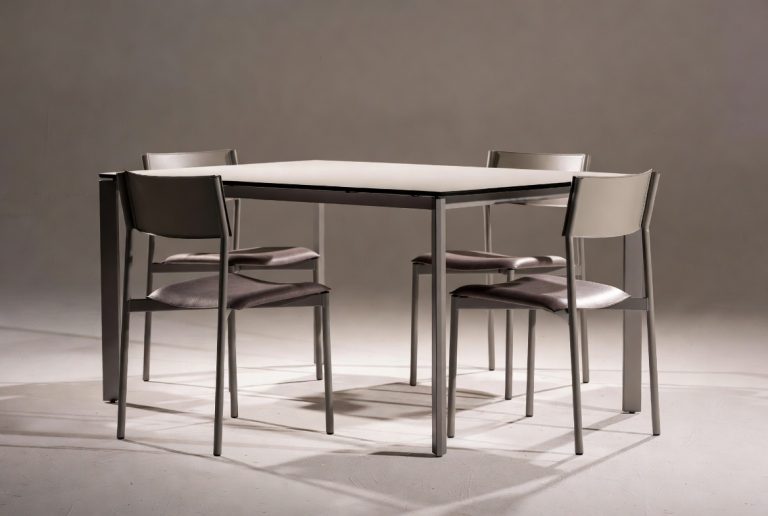
How Do You Clean Fabric Dining Chairs Without Damage? A Complete Guide
Let me be honest with you—fabric dining chairs are wonderful until they’re not. They’re comfortable, they look elegant, and they make your dining room feel inviting. But then life happens. Your kid spills juice, your dog jumps up during dinner, or that glass of red wine tips over at the worst possible moment. Suddenly, you’re staring at your favorite chairs wondering if they’re ruined forever. The good news? They’re not. With the right approach, you can restore your fabric dining chairs to their former glory without causing additional damage.
I’ve spent years learning the ins and outs of fabric care, and I’m here to share everything I know with you. Think of this guide as your dining chair rescue manual—one that’ll help you tackle anything from minor stains to stubborn odors.
Understanding Your Fabric Dining Chair Material
Before you start scrubbing away, you need to know what you’re working with. Different fabrics require different approaches, and using the wrong method could actually damage your chairs more than the stain itself.
Cotton and Cotton Blends
Cotton is one of the most common materials for dining chairs because it’s durable and relatively easy to clean. If your chairs are pure cotton or a cotton-dominant blend, you’ve got good news—they’re fairly forgiving. Cotton can handle water-based cleaners pretty well, which makes your job easier. However, avoid excessive scrubbing, as this can cause the fibers to pill or fray over time.
Polyester Fabrics
Polyester is synthetic and incredibly stain-resistant, which is why many manufacturers use it for dining chair upholstery. The durability factor is excellent, but here’s the thing: polyester doesn’t absorb liquids the same way natural fibers do. This means spills sit on top longer, giving you more time to blot them up before they set. That’s actually an advantage.
Wool and Wool Blends
Wool is luxurious and natural, but it demands respect. Wool fibers are delicate and can shrink, felt, or become discolored if you use hot water or harsh chemicals. If your dining chairs are upholstered in wool, you’ll need a gentler touch and probably cold water for any cleaning.
Velvet and Microsuede
These plush fabrics are beautiful but require extra caution. Velvet especially can show water marks and pile distortion if you’re not careful. Microsuede is a bit more forgiving, but both need delicate handling. Avoid rubbing these fabrics—instead, use blotting motions.
Gathering Your Cleaning Arsenal
You don’t need expensive, specialized products to clean your fabric dining chairs effectively. In fact, many of the best solutions are probably already in your home.
Essential Supplies You Should Have
- White cloth or microfiber towels (avoid colored cloths that might bleed)
- Distilled water (tap water can leave mineral deposits)
- Mild dish soap
- White vinegar
- Baking soda
- Vacuum with upholstery attachment
- Spray bottle
- Soft-bristled brush
- Paper towels or absorbent towels
Optional Professional-Grade Products
If you want to invest in specialized cleaners, look for enzyme-based upholstery cleaners or fabric-specific spot removers. These work wonderfully for stubborn stains, but they’re optional if you’re working with common household ingredients.
Pre-Cleaning Inspection and Preparation
Think of this step as detective work. Before you apply any liquid, you need to understand what you’re dealing with.
Check the Manufacturer’s Label
Most dining chairs have a care tag tucked somewhere—usually underneath the seat or on the back leg. This tag is gold. It’ll tell you the fabric code and recommended cleaning methods. You’ll see codes like W (water), S (solvent), WS (water or solvent), or X (vacuum only). Respect these codes. They exist because manufacturers have tested their fabrics thoroughly.
Vacuum Thoroughly First
This is non-negotiable. Use your vacuum’s upholstery attachment and go over every inch of your chairs. Why? Because dry debris mixed with moisture creates a paste that’s harder to remove. By vacuuming first, you’re removing dust, crumbs, and pet hair that could otherwise get ground into the fabric during cleaning.
Test Your Cleaning Solution
Never apply a cleaning solution to the entire visible surface of a chair without testing it first. Instead, find an inconspicuous spot—perhaps under the seat where nobody sees it—and apply a small amount of your chosen cleaner. Wait 24 hours and check for discoloration, bleeding, or damage. This simple step prevents disasters.
Handling Fresh Spills Immediately
The golden rule of stain removal is this: act fast. The quicker you respond to a spill, the less likely it is to become a permanent stain.
The Blotting Technique
When something spills on your fabric dining chair, your instinct might be to rub it. Resist that urge. Rubbing spreads the stain and pushes it deeper into the fibers. Instead, blot. Use a clean white cloth and press it gently onto the wet area. The cloth will absorb the liquid. Repeat this with fresh sections of cloth until no more liquid transfers. You’re essentially transferring the spill from your chair to your cloth.
Addressing Liquid Spills
For water-based spills like juice, wine, or coffee, blot immediately, then spray the area lightly with cool water. Blot again. Why add water? It dilutes the remaining stain and helps prevent a ring from forming as it dries. Think of it like rinsing your hands after getting them dirty—you’re washing away what’s left.
Dealing with Sticky Substances
If something sticky—like honey or syrup—lands on your chair, let it dry first. I know this seems counterintuitive, but a dried sticky substance is easier to remove than a fresh one. Once it’s dry, you can gently scrape it off with a dull knife or credit card, then proceed with blotting and cleaning.
Treating Common Stains
Different stains require different approaches. Here’s how to tackle the ones you’re most likely to encounter on your dining chairs.
Wine and Juice Stains
These are the nemesis of light-colored chairs. First, blot aggressively to remove excess liquid. Then mix one tablespoon of dish soap, one tablespoon of white vinegar, and two cups of warm water. Apply this solution to the stain using a spray bottle or clean cloth, working from the outside edges toward the center. Blot repeatedly with a clean cloth. If the stain persists, sprinkle baking soda over the damp area and let it sit for several hours to absorb remaining color.
Coffee and Tea Stains
These tannin-based stains respond well to the same soap-vinegar solution mentioned above. The key is consistency—keep applying and blotting until the stain lifts. For older stains that have already set, you might need to apply the solution, wait 10 minutes, then blot. Repeat this process several times.
Grease and Oil Stains
These are tricky because water won’t break down oil. Start by sprinkling baking soda on the stain and let it sit for 15 minutes to absorb the grease. Vacuum it up. Then, apply a tiny amount of dish soap directly to the stain—just a drop or two. Add a little water to create a paste, gently work it in with a soft brush, and blot repeatedly.
Pet Accidents
First, address any solid matter. Then blot the area thoroughly. Mix equal parts white vinegar and water and spray it on the spot. The vinegar neutralizes the odor-causing bacteria. Let it sit for 10 minutes, then blot. Sprinkle baking soda over the area and leave it overnight to absorb remaining odors. Vacuum in the morning.
Ink and Marker Stains
Blot immediately with a clean cloth. For ballpoint pen, try rubbing alcohol—apply a small amount to a cloth and dab the stain. For permanent marker, this is tougher. Try hairspray (yes, really—the alcohol in it helps break down markers), but test it first on an inconspicuous area.
Deep Cleaning Your Fabric Dining Chairs
Beyond spot cleaning, your chairs benefit from occasional deep cleaning to refresh the entire fabric surface.
The Water and Soap Solution Method
Mix one teaspoon of mild dish soap with one cup of distilled water. Using a spray bottle, lightly mist your entire chair seat and back (don’t soak it). Work in sections with a soft-bristled brush, using gentle circular motions. Blot each section with a damp cloth (plain water) to rinse away soap residue. This removes accumulated dust and grime that vacuuming alone can’t handle.
Baking Soda Refresh
Sprinkle baking soda generously over your clean, dry chairs. Let it sit for 30 minutes to several hours—the longer the better. The baking soda absorbs odors and freshens the fabric. Vacuum thoroughly to remove all the powder. Your chairs will smell noticeably fresher.
Upholstery Shampoo Method
If you want something more powerful, rent or buy an upholstery cleaning machine. These machines inject a cleaning solution into the fabric and then extract it along with dirt and stains. Follow the manufacturer’s instructions carefully, and always use the gentle setting for delicate fabrics. The results can be remarkable for deeply soiled chairs.
Drying Your Chairs Properly
How you dry your chairs matters as much as how you clean them. Improper drying can cause mildew, water marks, or fabric damage.
Air Drying Best Practices
After cleaning, open windows and increase air circulation. Position fans to blow across the chairs—not directly at them, but at a gentle angle. Avoid sunlight, which can fade fabric and cause discoloration. Most chairs need 24 to 48 hours to dry completely, depending on humidity levels.
Avoiding Water Marks
Water marks happen when minerals in water evaporate and leave behind residue. To prevent this, use distilled water for your final rinse. If you do notice water marks after drying, spray with distilled water and blot immediately—sometimes rewetting and drying again eliminates the mark.
Protecting Your Chairs After Cleaning
Once your chairs are clean, protect that investment with preventative measures.
Fabric Protector Products
After your chairs are completely dry, consider applying a fabric protector like Scotchgard. These products create an invisible barrier that repels liquids and prevents stains from setting. Reapply annually or after deep cleaning. It’s like giving your chairs a suit of armor against spills.
Regular Maintenance Habits
Vacuum your dining chairs weekly. This prevents dust and debris accumulation. Address spills immediately—don’t wait. Keep dining activities relatively contained to your table area. These simple habits extend the life of your chairs significantly.
When Professional Cleaning Is Worth the Investment
Sometimes, despite your best efforts, professional help is necessary.
Signs You Need a Professional
- Set-in stains that won’t budge with home methods
- Significant odor problems
- Mold or mildew growth
- Large-scale damage requiring restoration
- Delicate or expensive fabrics you’re nervous about
Professional upholstery cleaners have industrial equipment, specialized solutions, and years of experience. They can often achieve results that home cleaning simply can’t match. For valuable or sentimental chairs, this investment is worthwhile.
Special Considerations for Different Fabric Types
Caring for Velvet Chairs Specifically
Velvet requires a light touch. Never soak velvet chairs. Instead, use minimal moisture and always blot gently. For stains on velvet, professional cleaning is often the best option. If you’re cleaning at home, use cool water, minimal soap, and focus on blotting rather than rubbing.
Maintaining Microsuede Upholstery
Microsuede is more forgiving than velvet but still delicate. The good news? Most microsuede can be cleaned with water-based solutions. Use the same gentle blotting technique, and avoid excessive moisture. If a stain resists water-based cleaning, a solvent-based cleaner specifically designed for microsuede might work.
Wool Chair Care
For wool chairs, always use cold water, never hot. Hot water can cause wool to shrink or felt. Use minimal moisture and allow extra drying time. For stubborn wool stains, professional cleaning is often the safest choice.
Creating a Stain Prevention Strategy
The best stain is the one that never happens. While you can’t prevent all accidents, you can minimize risk.
Smart Dining Practices
- Keep drinks in glasses with secure lids when possible
- Use placemats under dishes to catch crumbs
- Have napkins readily available
- Keep pets away from dining areas during meals
- Establish a no-eating-in-the-dining-room policy for sticky foods
Environmental Considerations
Humidity affects fabric health. In very humid environments, use a dehumidifier to prevent mold growth. In dry climates, occasional light misting of the chairs (as part of your cleaning routine) can actually help maintain fiber elasticity. Be aware of direct sunlight, which fades fabric over time. Consider using blinds or curtains to filter intense sunlight in your dining room.
Conclusion
Cleaning fabric dining chairs doesn’t have to be intimidating. Armed with the right knowledge and a few basic supplies, you can keep your chairs looking beautiful for years to come. Remember, the key is acting quickly when spills happen, understanding your fabric type, and using gentle