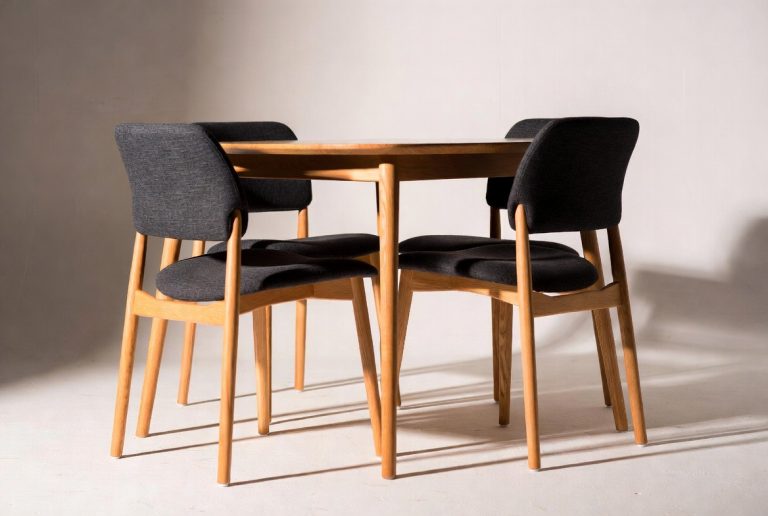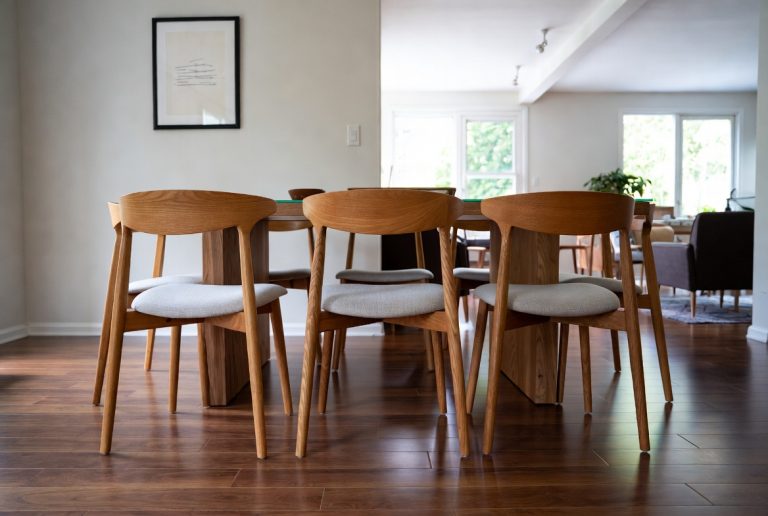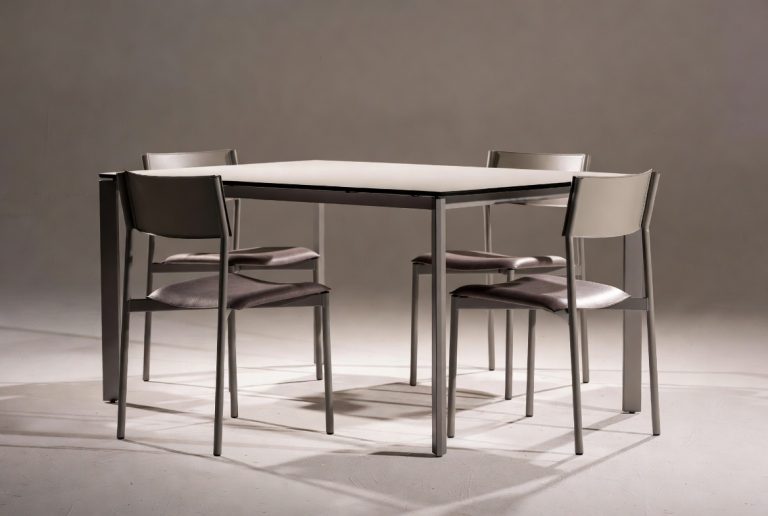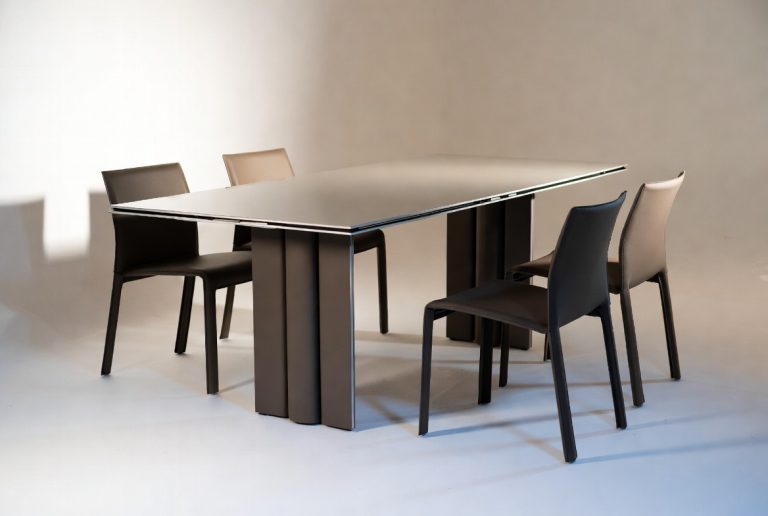
Dining Bench vs Chairs for Small Dining Spaces: Which Saves More Room?
If you’re struggling to fit a functional dining area into your compact home, you’ve probably found yourself staring at furniture showrooms wondering whether a dining bench or traditional chairs would be the smarter choice. It’s one of those decisions that seems simple on the surface but actually involves quite a bit of strategic thinking. Let me help you navigate this dilemma by breaking down everything you need to know about both options.
Understanding Your Small Space Challenges
Living in a small space isn’t just about having less square footage—it’s about being intentional with every single piece of furniture you bring in. When you’re working with a compact dining area, every decision reverberates through the rest of your home. A poorly chosen dining solution can make your entire space feel cramped and claustrophobic, while a smart choice can actually enhance your living experience.
Think of your dining space like a puzzle where each piece needs to fit perfectly. You can’t just force something in because it looks nice; it has to work harmoniously with the rest of your layout. That’s why understanding your specific space limitations before comparing dining benches and chairs is crucial.
Measuring Your Dining Area Properly
Before you make any decisions, grab a measuring tape and get serious about your numbers. Measure your dining table length, width, and height. Then measure the space around your table—how much clearance do you have on each side? Are there walls, doorways, or windows that complicate your layout? Don’t just estimate; write these measurements down.
You’ll also want to consider traffic flow. Can people move comfortably through your dining area when someone is seated? This is often overlooked but absolutely matters for how your space actually functions day to day.
The Space-Saving Advantages of Dining Benches
Here’s where dining benches really shine when you’re working with limited square footage. A bench is like the multitasking professional of furniture—it does more with less.
How Benches Maximize Your Floor Space
When you place a bench against one side of your dining table, you’re being incredibly efficient with your space. Unlike chairs that need room to be pulled out and moved around, a bench can tuck neatly against the wall or table. This means you’re not losing precious floor space to chair pull-back zones.
Imagine your dining table as a rectangle. With chairs all around it, you need at least 36 inches of clearance on each side for people to comfortably sit and get up. With a bench on one side, that clearance requirement drops significantly, especially if the bench is built to fit snugly into your space.
Fitting More Seating in Less Space
Here’s something remarkable about benches: they can accommodate more people in the same linear distance as chairs. A 60-inch bench might seat three to four people comfortably, whereas fitting three individual chairs would require more width and definitely more depth for pull-back space. You’re essentially getting more seating capacity without expanding your footprint.
The Hidden Storage Benefit
Many dining benches come with built-in storage underneath the seat. This is a game-changer for small spaces. You can store table linens, seasonal items, or even kitchen overflow in this space. Traditional dining chairs offer no such benefit—they’re purely functional for sitting.
Types of Bench Storage Options
- Lift-top designs with large compartments inside
- Under-seat storage with hinged access
- Shelving built into the bench structure
- Decorative baskets that fit within the bench frame
When Dining Chairs Might Be Your Better Option
Now, before you rush out to buy a bench, let’s talk about situations where traditional dining chairs actually make more sense for your small space.
Flexibility and Rearrangement
Chairs are mobile. If you’re someone who likes to rearrange your space frequently, or if you sometimes need your dining area to serve double duty as a workspace or game area, chairs give you that flexibility. You can move them around, push them into a corner, or even carry them to another room when you need that extra floor space.
A bench is essentially a permanent installation. Once you’ve decided on its placement, changing it up requires significantly more effort. If you’re indecisive or like to refresh your space regularly, this matters.
Individual Comfort and Personal Space
Some people simply prefer having their own defined seating area with armrests and personal space. Benches mean sharing an edge with whoever sits next to you. There’s no personal armrest, no clear boundary between your space and someone else’s. For families with kids or people who value physical boundaries while eating, individual chairs provide that psychological comfort.
Easier to Clean and Maintain
When you spill something on a bench, you’re cleaning a large shared surface. With individual chairs, you only need to address the specific chair where the spill occurred. The chair can also be easily moved away while you clean around it. A bench, being larger and often heavier, complicates this process.
Calculating Your Actual Space Requirements
Let’s get practical. I want you to understand the real space math behind this decision.
Standard Spacing Guidelines
Interior designers follow specific spacing rules for comfortable dining. For chairs, you typically need:
– 36 inches from the edge of the table to the wall behind the chair (this allows the chair to be pulled out and someone to sit comfortably)
– 12 inches of walking space between the back of the chair and any obstacle
– 24 inches between the outer edge of armrests on adjacent chairs
For a bench, your requirements shift:
– 24 to 30 inches is often sufficient if the bench is tight against the table
– Minimal clearance is needed if it’s placed against a wall
– Walking space in front of the bench can be reduced since people aren’t pulling seats out
A Practical Example
Let’s say you have a small dining room that’s 10 feet by 12 feet with a standard rectangular table. If you use six individual chairs (three on each long side), you’re looking at needing about 5.5 feet of depth just for seating and pull-back space. That leaves only about 4.5 feet for the table and opposite side movement.
Swap three of those chairs for a bench on one side, and suddenly you’ve freed up about 18 inches of precious floor space. In a small room, that difference is substantial.
Flexibility and Versatility Considerations
Multi-Purpose Space Usage
In small homes, your dining area often needs to moonlight as something else. Maybe it’s your home office during the day or a craft station on weekends. Chairs can be moved to accommodate these multiple purposes. Chairs can go under the table, get pushed against walls, or moved to another room entirely.
A bench, particularly a heavy or built-in bench, becomes a fixed architectural element. It limits your ability to reconfigure the space for different needs.
Accommodating Unexpected Guests
Both options have their strengths here. A bench can accommodate one or two extra people in a pinch—everyone squeezes together. With chairs, you can pull up extras from other areas of your home, but you face the space crunch from pull-back requirements. In practice, if you frequently host dinner parties, you might prefer a bench’s ability to compress multiple people, even if it’s less comfortable than having dedicated seats.
Comfort Factors for Everyday Living
Back Support and Posture
Here’s where chairs typically have a significant advantage. Proper dining chairs provide back support, which matters more than you might think when you’re eating meals daily. A bench might have a backrest, but it’s often a shared surface that doesn’t provide the same individualized support as a chair with its own back.
If you or family members have back issues, this becomes more than a comfort issue—it becomes a health consideration. Spending 30 minutes eating breakfast on an unsupported bench can actually contribute to posture problems over time.
Armrest Accessibility
Armrests might seem like a luxury, but they serve a practical purpose. They help people, especially older adults or those with mobility challenges, get up from seated positions more easily. Benches typically don’t have armrests, or if they do, they’re shared and might be in awkward positions depending on where you’re sitting.
Seat Cushioning and Durability
Benches tend to distribute weight across a larger surface, which can actually extend cushion life in some cases. However, high-traffic areas of shared benches (like the middle) can wear faster because multiple people sit in those zones. Chair cushions wear more evenly because each person has their dedicated spot.
Style and Aesthetic Appeal
Creating Visual Interest
Here’s something people don’t talk about enough: what actually looks better in your space? A dining bench can create a cozy, intimate aesthetic. It has a modern, streamlined look that many people find appealing. There’s something inviting about a cushioned bench that suggests relaxation and informality.
On the other hand, individual chairs offer more versatility in styling. You can mix and match, choose different finishes, or select chairs that make a bold design statement. Mismatched chairs have become quite trendy and can add personality that a bench simply can’t achieve.
Matching Your Home’s Aesthetic
If your home leans toward minimalist or scandinavian design, a bench fits naturally. If your style is eclectic or traditional, individual chairs might feel more appropriate. Think about the overall design narrative of your home. What would feel more cohesive?
Budget Considerations for Small Dining Areas
Initial Purchase Cost
Generally speaking, a quality dining bench costs less than purchasing three to four individual chairs of similar quality. If budget is your primary concern, a bench is more economical. You’re paying for one piece that accommodates multiple people rather than paying per-seat pricing.
However, this isn’t absolute. You can find inexpensive chairs at various price points, just as you can find premium benches. The key is comparing comparable quality levels.
Long-Term Value
Consider how long you’ll actually use this furniture. A bench with storage is a long-term investment that continues to provide value through functionality. However, if you’re someone who redecorates frequently or moves often, chairs’ flexibility might provide better long-term value because they adapt to new spaces and styles.
Cost Comparison Overview
- Quality dining bench: $300-$800
- Set of four quality dining chairs: $400-$1,200
- Single quality dining chair: $100-$300
- Budget-friendly bench: $150-$400
- Budget dining chairs (set of 4): $200-$500
Durability and Maintenance Differences
Wear Patterns and Lifespan
Dining benches typically hold up well because they distribute impact across a wider surface. There’s no risk of one leg breaking from someone tilting back in their chair (we’ve all done that), because benches don’t have the leverage issues that chairs present.
However, benches can suffer from uneven wear in high-use seating areas. The middle of a bench will show cushion wear faster than the edges. Chairs distribute wear across the entire set, which means problems develop more slowly on any individual piece.
Cleaning and Upkeep
A bench is essentially one large surface to keep clean. Crumbs and spills need to be cleaned from a bigger area. Chairs are easier to spot-clean and can be wiped down individually without affecting adjacent seating areas.
For families with young children, this distinction might matter. Chairs allow you to contain messes to specific seats, while a bench means cleaning spreads across the entire surface.
Upholstery Considerations
If you’re choosing upholstered options, remember that bench upholstery is more expensive to replace because you’re recovering a larger surface area. Replacing individual chair cushions is often more affordable and allows you to update your look gradually.
Real-World Scenarios and Solutions
Scenario One: The Studio Apartment Dweller
Sarah lives in a 400-square-foot studio where her dining area is literally four feet from her bed. Every inch counts. A dining bench tucked against the wall with her table positioned parallel to it means she can still use that space for other purposes throughout the day. The bench’s built-in storage also helps her manage her limited closet space. For Sarah, a bench is clearly the right choice.
Scenario Two: The Family of Five
The Martinez family has a small dining room but needs to seat everyone comfortably for meals without stress about seating arrangements. They have a six-year-old who can’t sit still and an elderly grandparent with back problems. They decided on a bench for one side (which the kids don’t mind) and four individual chairs for the opposite and end seats, giving grandma proper back support and giving the kids the flexibility to squirm around on the bench without bothering chair-sitters.
Scenario Three: The Frequent Entertainer
James loves hosting dinner parties in his modest apartment but doesn’t have a huge formal dining space. He chose four lightweight dining chairs instead of a bench because they can be moved around, stored away, and pulled out as needed. When he hosts eight people, he can pull up extra folding chairs from his bedroom without the space constraint that a bench would create.
Hybrid Solutions: The Best of Both Worlds
Combining Benches and Chairs
You don’t actually have to choose just one option. Many people find that a combination works beautifully in small spaces. Use a bench on one long side of your table and individual chairs on the opposite side and ends. This gives you:
- Space savings on one side with the bench
- Comfort and back support with individual chairs where needed
- Flexibility to move or adjust the chair-side as needed
- The storage benefit of the bench
- Visual interest from mixing furniture pieces
Convertible Bench-Chair Options
Some manufacturers have created clever hybrid pieces—benches that have movable backs or backrests that can be added to individual sections. These provide some flexibility while maintaining the space-saving benefits of a bench. They’re not perfect solutions, but they’re worth exploring if you’re genuinely torn between the