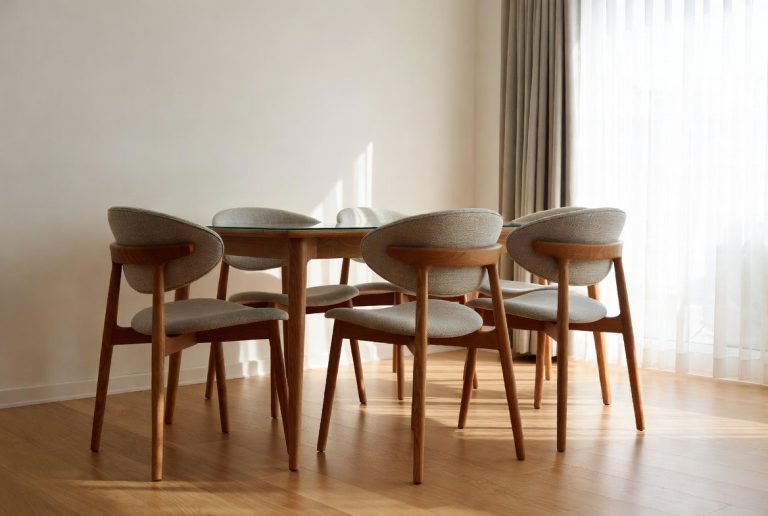
How Can I Clean My Fabric Dining Chairs Safely? A Complete Guide to Restore Your Furniture
Let me be honest with you—fabric dining chairs are both a blessing and a curse. They’re comfortable, stylish, and add that cozy warmth to your dining room. But when it comes to keeping them clean, well, that’s where things get tricky. Whether it’s spilled wine, crumbs from dinner, or mysterious stains that appeared out of nowhere, fabric chairs seem to attract dirt like a magnet attracts metal.
The good news? You don’t need to panic or call in the professionals every time something spills on your chairs. I’m going to walk you through everything you need to know about cleaning fabric dining chairs safely, so you can keep them looking fresh and feeling pristine for years to come.
Understanding Your Fabric Dining Chair Material
Before you even think about grabbing a spray bottle, you need to understand what you’re dealing with. Not all fabric is created equal, and what works perfectly on microsuede might absolutely ruin cotton upholstery. Think of it like this—would you wash your delicate silk blouse the same way you’d wash your gym shorts? Of course not!
Checking the Care Label First
This is step number one, and I cannot stress this enough. Look at the tag attached to your chair. It’s usually tucked underneath or on the side. That little label is your roadmap to safe cleaning. You’ll see codes that look like W, S, WS, or X. Let me break these down for you:
- W Code: Your chair can be cleaned with water-based cleaners. You’re in luck here—this is typically the easiest option.
- S Code: This means you need solvent-based cleaners only. Water can damage this fabric, so steer clear of anything wet.
- WS Code: You’ve got flexibility! This fabric can handle both water-based and solvent-based cleaners.
- X Code: This is the delicate one. You can only vacuum or use professional dry cleaning methods. No liquids allowed.
Common Fabric Types in Dining Chairs
Let me walk you through the most common fabrics you’ll find on dining chairs, because understanding your material is half the battle.
Microfiber and Microsuede
These synthetic materials are incredibly popular for dining chairs because they’re durable and reasonably stain-resistant. They’re actually quite forgiving, which is why many people love them. They typically have a W or WS code, meaning you can use water-based solutions on them.
Cotton and Cotton Blends
Natural cotton is soft and breathable, but it’s also more vulnerable to staining. Most cotton upholstery also has a W code, so you can work with gentle water-based cleaners. The key here is not to oversaturate the fabric.
Linen
Linen chairs have that elegant, relaxed look that’s perfect for farmhouse or contemporary dining rooms. However, linen requires gentle handling. Always check the label, but linen often does better with professional cleaning or very diluted solutions.
Velvet and Velour
These plush fabrics feel amazing but are notoriously difficult to clean. They usually carry an S code, which means solvents only. Never use water on velvet unless you want to end up with dark, matted spots that look terrible.
Essential Cleaning Supplies You’ll Need
Now that you know your fabric type, let’s talk about what you actually need to have on hand. You don’t need to buy expensive professional-grade cleaners—many items you probably already have in your home will do the job beautifully.
For Water-Based Cleaning
- White vinegar (yes, that’s right—vinegar is a miracle worker)
- Baking soda
- Mild dish soap
- Distilled water
- Soft-bristled brush or old toothbrush
- White cloths or paper towels
- Spray bottle
- Vacuum with upholstery attachment
For Solvent-Based Cleaning
- Dry cleaning solvent (available at hardware stores)
- Soft cloths
- Gloves to protect your hands
The beautiful thing about having the basics on hand is that you’re prepared for any accident. No need to run to the store in a panic when your daughter spills juice on the chair during dinner.
Step-by-Step Guide to Cleaning Water-Safe Fabric Chairs
Let’s get into the actual cleaning process. I’m going to break this down into manageable steps so you can tackle any stain with confidence.
Step One: Vacuum Thoroughly
This is often overlooked, but it’s absolutely crucial. Use your vacuum’s upholstery attachment and go over the entire chair, paying special attention to seams, crevices, and under the cushions. You’d be surprised how much dust and debris accumulates there. By removing loose particles first, you prevent them from turning into stubborn mud when you add liquid cleaners.
Step Two: Treat Fresh Spills Immediately
If something just spilled, don’t let it sit. Blot the area with a clean cloth—and I mean blot, not rub. Rubbing pushes the stain deeper into the fibers. Press down gently and let the cloth absorb the liquid. If it’s something sticky like juice or wine, you might need to do this several times with fresh cloths.
Step Three: Create Your Cleaning Solution
Here’s my go-to recipe that works for most water-safe fabrics:
- One tablespoon of white vinegar
- One teaspoon of mild dish soap
- One cup of distilled water
- A spray bottle
Mix these together gently—you don’t want tons of bubbles. Why distilled water? Because tap water can leave mineral deposits on fabric that make it look dingy. The vinegar helps break down the stain and deodorizes, while the tiny amount of dish soap works as a gentle cleanser.
Step Four: Test on a Hidden Area
Before you go all-in on that visible stain, test your solution on an inconspicuous area—the back of the chair, underneath, or anywhere that won’t be noticed. Spray a small amount, let it sit for a minute, and blot it with a cloth. This way, if something goes wrong, you haven’t ruined the visible part of your chair.
Step Five: Apply Your Cleaning Solution
Spray the solution directly onto the stain and the surrounding area. Don’t oversaturate—you want the fabric damp, not soaking wet. A good rule of thumb is to spray once and see how it looks. You can always add more, but you can’t take it back out easily.
Step Six: Let It Sit
Give your cleaning solution a few minutes to work its magic. Most stains benefit from a five to ten-minute wait. During this time, the solution is breaking down the stain particles and lifting them away from the fabric fibers.
Step Seven: Gently Agitate With a Brush
Using a soft-bristled brush or an old toothbrush, gently work the solution into the fabric with light circular motions. Don’t scrub aggressively—that can damage the fibers or spread the stain. Think of it as coaxing the stain out, not forcing it out.
Step Eight: Blot, Blot, Blot
Using clean white cloths, blot the area repeatedly. With each blot, you’re pulling the stain and the cleaning solution out of the fabric. You might need to do this ten or more times until the cloth comes away clean. This is where patience really pays off.
Step Nine: Rinse With Clean Water
Spray a bit of distilled water onto the area to remove any remaining soap residue. Blot again with fresh cloths. This prevents the area from becoming sticky or attracting dirt later on.
Step Ten: Air Dry Completely
Leave the chair in a well-ventilated area to dry naturally. You can open windows or turn on a fan to speed up the process. Avoid using a hair dryer or placing it near direct heat, as this can sometimes cause uneven drying or shrinkage.
Dealing With Tough, Set-In Stains
Sometimes life happens, and you don’t notice a stain until it’s been sitting there for days or weeks. These stubborn stains require a bit more intervention, but they’re not impossible to remove.
The Baking Soda Method
Baking soda is basically the superhero of natural cleaning. Sprinkle it generously over the stain and let it sit for at least thirty minutes—or even overnight for really stubborn marks. The baking soda will absorb odors and help lift the stain. Then vacuum it up thoroughly and proceed with your regular cleaning solution.
The Vinegar Paste Approach
If regular solutions aren’t cutting it, try making a paste with baking soda and a small amount of white vinegar. It should have the consistency of peanut butter. Apply this paste to the stain, let it dry completely, then vacuum it up and assess the stain. You might need to repeat this process once or twice.
Cleaning Solvent-Based Fabric Chairs
If your chairs have an S code on the label, you’ll need to use a different approach. Water-based cleaners can cause permanent damage to these fabrics, so you must use solvent-based cleaners instead.
Working With Dry Cleaning Solvents
Purchase a dry cleaning solvent from your local hardware store. Always read the instructions carefully and follow them precisely. Here’s the general process:
- Vacuum the chair first to remove loose debris
- Wear gloves and work in a well-ventilated area
- Apply a small amount of solvent to a cloth, never directly to the fabric
- Blot the stained area gently
- Work from the outside of the stain toward the center
- Use another cloth with solvent to rinse the area
- Allow to air dry completely
The key difference here is that you’re using far less liquid, and you’re working with the cloth as your applicator rather than spraying directly. Solvents can be strong, so respect them and always prioritize ventilation.
Preventing Future Stains and Damage
An ounce of prevention is worth a pound of cure, as they say. Here are some smart strategies to keep your fabric dining chairs looking beautiful and stain-free.
Apply a Fabric Protector
After you’ve thoroughly cleaned your chairs, consider applying a fabric protector like Scotchgard. This creates an invisible barrier that helps repel liquids and prevents stains from setting in. It’s especially helpful if you have kids or pets. Just make sure the product you choose is compatible with your fabric type.
Use Chair Covers or Throws
During high-risk times—like when you’re having dinner with young children or eating messy foods—drape a removable cloth or throw over the chairs. This gives you peace of mind and is much easier to wash than the chair itself.
Establish No-Food Rules in the Dining Room
If possible, keep eating confined to the dining table and discourage eating elsewhere on the chairs. This simple rule can dramatically reduce your stain incidents.
Regular Vacuuming
Vacuum your chairs weekly or even more often if you use them frequently. This removes dust and prevents buildup that can make chairs look dingy over time.
When to Call in the Professionals
I’m all for DIY cleaning, but sometimes professional help is your best option. If you have chairs with an X code—meaning water and solvents are both off-limits—professional dry cleaning is really your only safe choice. Additionally, if you’ve tried everything and the stain remains, professionals have access to stronger solutions and specialized equipment.
Professional cleaners are also worth considering if you have expensive designer fabric or antique chairs. The cost of professional cleaning is often less than the cost of replacing ruined furniture.
Conclusion
Cleaning fabric dining chairs doesn’t have to be an intimidating task. By understanding your fabric type, having the right supplies on hand, and following these step-by-step methods, you can handle almost any stain that comes your way. Remember to always check your care label first, test your solutions in hidden areas, and approach the process with patience rather than aggression. Your dining chairs are an investment in your home’s comfort and style, and with proper care, they’ll continue to look beautiful and feel inviting for many years to come. Don’t be afraid to tackle those spills—you’ve got this!
Frequently Asked Questions
Can I use bleach on my fabric dining chairs?
I would strongly recommend against using bleach on fabric dining chairs unless the manufacturer specifically states it’s safe. Bleach is extremely harsh and can cause permanent discoloration, especially on colored fabrics. It can also weaken the fibers and make them brittle. Stick with gentler solutions like vinegar and dish soap for best results, or consult a professional if you’re dealing with a really stubborn stain on a light-colored fabric.
How often should I clean my fabric dining chairs?
This depends on how frequently you use your chairs and whether you have children or pets. As a general rule, vacuum your chairs weekly to remove dust and debris. For deeper cleaning, plan to do it once every month or two, or whenever you notice visible dirt or spills. Regular maintenance prevents the buildup of grime and keeps your chairs looking fresher longer.
What’s the difference between blotting and rubbing when cleaning a stain?
This is crucial! Blotting means pressing the cloth down gently and letting it absorb the liquid, then lifting it straight up. You’re not moving the cloth around. Rubbing or scrubbing, on the other hand, involves moving the cloth back and forth across the stain. Rubbing actually pushes the stain deeper into the fabric fibers and can spread it across a larger area. Always blot for best results.
Is distilled water really necessary, or can I use tap water?
While tap water will work in a pinch, distilled water is genuinely better for your furniture. Tap water contains minerals and chlorine that can leave residue on fabric, making it look dingy or sticky. Distilled water is inexpensive and readily available at any grocery store. For the sake of keeping your expensive dining chairs in top condition, it’s worth the small investment.
Can I use a steam cleaner on my fabric dining chairs?
Steam cleaning can work on fabric chairs, but it’s risky if you’re not experienced. High