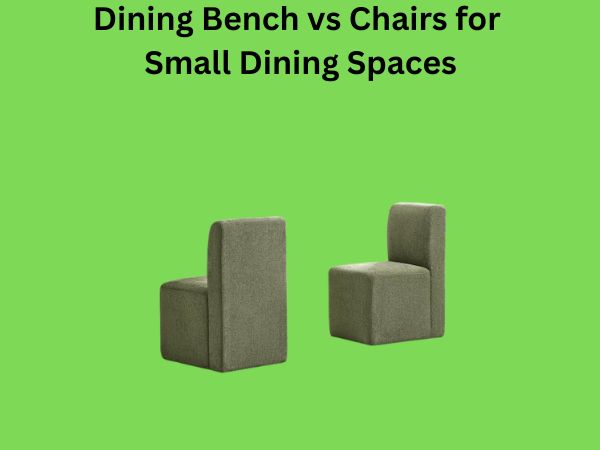
How High Are Dining Chairs? Standard Height Explained
When you’re shopping for dining chairs, one of the most overlooked questions is simply: how high should they actually be? It might seem like a minor detail, but trust me, getting the height wrong can make your entire dining experience uncomfortable. I’ve learned this the hard way after watching guests squirm in chairs that were either too tall or too short for my table. Let me walk you through everything you need to know about dining chair heights so you can make an informed decision for your home.
Understanding the Basics of Dining Chair Height
Before we dive into specific measurements, let’s talk about why dining chair height matters. Your dining chairs aren’t just pieces of furniture—they’re where you and your loved ones spend quality time together. If the height is off, you’ll feel it immediately. Your legs might dangle awkwardly, your thighs could feel cramped against the table, or worse, you might struggle to reach your food comfortably.
The standard dining chair height typically falls between 17 to 19 inches from the seat to the floor. However, this measurement is just the starting point. The real magic happens when you consider the relationship between your chair height and your table height.
Standard Dining Table Heights and Chair Proportions
The Golden Rule: The 10 to 12-Inch Gap
Here’s something most people don’t realize: it’s not about the absolute height of your chair. It’s about the distance between the seat of your chair and the underside of your table. Think of it like this—if your table is too close to your seat, you’ll feel cramped. If it’s too far away, you’ll be reaching awkwardly for your food and drink. The ideal space is between 10 to 12 inches. This gap gives you enough room to sit comfortably without feeling squeezed.
Standard Table Heights
Most standard dining tables stand at about 30 inches tall. This is the industry standard for a reason. It’s been tested and refined over years to provide optimal comfort for the average person. If your table is 30 inches high and you subtract the ideal 10 to 12-inch gap, you’re looking for a chair that’s roughly 18 to 20 inches tall. Make sense?
Different Dining Chair Types and Their Heights
Traditional Dining Chairs
Your classic, straightforward dining chair—the kind you’ve probably sat in at your grandmother’s house—typically measures between 17 to 19 inches. These are the bread and butter of the dining furniture world. They’re designed to work with standard 30-inch tables and they do that job exceptionally well. You won’t find any surprises here.
Why These Heights Work
Traditional chairs hit that sweet spot because they’ve been perfected over generations. Furniture makers have tested countless variations, and this height just works. Your feet rest flat on the floor, your legs have proper support, and you can lean into your meal without straining.
Counter Height Dining Chairs
Now here’s where things get interesting. Counter height chairs are taller—we’re talking 24 to 26 inches. These are designed for counter height tables, which typically measure 35 to 36 inches tall. If you’ve ever sat at a bar or a high-top table, you’ve experienced counter height seating. It creates a more casual, relaxed vibe.
The Appeal of Counter Height
People love counter height dining because it feels contemporary and modern. There’s something about sitting higher up that makes dining feel less formal. Plus, from a practical standpoint, these setups work great in kitchens where you want that casual breakfast bar feeling.
Bar Height Chairs
Bar stools and bar height chairs are the tallest of the bunch, typically ranging from 29 to 32 inches. These are meant for bar height tables that sit at 40 to 42 inches. These are specialized pieces, really. You’ll mostly see them in true bar settings or in high-end kitchen islands.
How to Measure Your Dining Space Correctly
Step One: Measure Your Table Height
First things first, grab a measuring tape and find out exactly how tall your table is. Measure from the floor to the top surface of the table. Write this number down—you’ll need it for the next step.
Step Two: Calculate the Ideal Chair Height
Now subtract 10 to 12 inches from your table height. Let me give you an example. If your table is 30 inches tall, you’d subtract 10 to 12 inches, leaving you with a chair height of 18 to 20 inches. This is your target range.
Step Three: Factor in Cushion Thickness
Here’s a detail people frequently forget: if your chair has a cushion, that adds height. A thick cushion can add anywhere from 1 to 3 inches to your seating height. So if you’re considering upholstered chairs, you might want to go slightly lower than your calculation suggests.
Step Four: Test Before You Buy
Whenever possible, actually sit in the chair you’re considering. Better yet, sit at a table of similar height if the store allows it. Feel how your legs position, check that your feet rest comfortably on the floor, and assess whether you feel cramped or too far away from the table surface.
Common Dining Chair Height Mistakes to Avoid
Mistake One: Ignoring the 10 to 12-Inch Rule
The biggest error people make is choosing a chair based solely on its standalone height without considering how it relates to their table. You could have a perfectly fine 18-inch chair, but if your table is unusually tall or short, it won’t work. Always measure the gap.
Mistake Two: Forgetting About Armrests
If you’re considering chairs with armrests, pay attention to their height. The armrests should be slightly lower than the table surface, or at least not higher. If they’re too tall, you won’t be able to push the chair under the table, and you’ll have a functional nightmare on your hands.
Mistake Three: Not Accounting for Your Space
Some people buy counter height chairs because they love the look, even though they have a standard table. This creates an awkward mismatch that looks odd and feels uncomfortable. Choose your chair height based on your actual table, not on aesthetic preference alone.
Special Considerations for Different Dining Situations
Smaller Dining Spaces
If you’re working with a compact dining area, chair height becomes even more critical. You need maximum comfort in minimum space. I’d recommend sticking with standard heights rather than experimenting with counter or bar height options. The last thing you want in a small space is uncomfortable seating.
Families with Children
Are you dining with kids? This changes the equation slightly. You might want to consider booster seats that add a few inches of height for younger children. Standard chairs work well once kids hit their teenage years, but for little ones, think about whether you’ll need additional support.
Accessibility Needs
If anyone in your household has mobility challenges, chair height becomes a health and safety issue. Some people need slightly higher chairs for easier standing and sitting. Consider whether you need chairs at the higher end of the standard range or even counter height for accessibility purposes.
Material and Design Factors That Impact Comfort
Seat Depth and Width
Height isn’t the only measurement that matters. The depth of the seat—how far back it extends—affects how you sit. A deeper seat might feel more supportive, but it could also push you too far from the table. Look for seats that are around 16 to 18 inches deep for optimal comfort.
Backrest Design
The angle and height of the backrest impact your overall comfort. A backrest that’s too upright can feel formal and restrictive, while one that’s too reclined might leave you slouching. The best backrests provide gentle support without dictating your posture.
Seat Shape and Padding
Contoured seats feel better than flat ones, especially if you’re sitting for extended meals. And padding—whether it’s thick and plush or thin and minimal—affects how comfortable you’ll be after sitting for an hour or two. I always recommend trying chairs out because comfort is so personal.
Shopping Tips for Getting the Right Dining Chair Height
Know Your Numbers Before Shopping
Measure your table before you set foot in a furniture store. Write down the exact height. Write down your target chair height range. This simple preparation prevents costly mistakes.
Read Product Specifications Carefully
When shopping online or from a catalog, look at the detailed specifications. The height listed should be from the floor to the top of the seat. Don’t assume; verify every measurement.
Consider Your Lifestyle
Think about how you use your dining space. Do you host formal dinners where guests should feel comfortable for hours? Or is this more of a casual breakfast nook? Your lifestyle should influence your comfort choices.
Quality Over Trends
Dining chairs are an investment. While you might be tempted by the latest trendy design, prioritize comfort and proper proportion. A well-proportioned, comfortable chair will outlast any trend.
Adjusting Existing Chairs to the Right Height
Adding Feet or Risers
If you love your current chairs but they’re slightly too short, you can add furniture feet or risers to increase the height by 1 to 2 inches. It’s not a perfect solution, but it can help in a pinch.
Replacing Feet
Some chairs come with replaceable feet. If your chairs are a bit too low, swapping out the feet for taller ones might be an option worth exploring.
Cushion Additions
Adding or upgrading cushions can change the effective height of your seating. This is a reversible change if you want to experiment before committing.
The Psychology of Dining Chair Height
Believe it or not, chair height affects the entire dining experience psychologically. Sitting at the right height makes you feel more confident and present during meals. You’re not struggling with your posture or reaching awkwardly, so you can focus on the food and the company. Uncomfortable seating height, on the other hand, creates a subtle tension that can affect your whole meal.
Studies have shown that proper seating ergonomics improve both comfort and digestion. When your body isn’t fighting against an uncomfortable position, you can truly enjoy your dining experience. This is why restaurants pay so much attention to their furniture—they understand that comfort directly impacts customer satisfaction.
Conclusion
So, how high are dining chairs? The answer is that it depends on your specific situation, but the standard range is 17 to 19 inches for chairs meant to work with typical 30-inch dining tables. The most important thing to remember is the 10 to 12-inch gap rule between your seat and the underside of your table. This single principle guides all dining chair height decisions.
Don’t rush into purchasing dining chairs without taking these measurements and considerations into account. Your future self—the one who’ll be sitting in these chairs night after night—will thank you for taking the time to get it right. Whether you’re replacing worn-out seating or furnishing a brand-new dining room, proper chair height is the foundation of a comfortable, inviting dining space. Now go measure that table and find your perfect fit.
Frequently Asked Questions
What is the standard height for dining chairs?
The standard height for dining chairs is between 17 to 19 inches from the seat to the floor. However, this measurement should always be considered in relation to your table height. The ideal gap between the seat of your chair and the underside of your table should be 10 to 12 inches for comfortable dining.
How do I know if my dining chairs are the right height?
The best way to test if your dining chairs are the right height is to sit at your table and assess comfort. Your feet should rest flat on the floor, your thighs should have adequate clearance from the table, and you shouldn’t feel cramped or too far away. If you can comfortably position yourself and enjoy a meal, the height is likely correct.
Can I use counter height chairs with a standard dining table?
Using counter height chairs (24 to 26 inches) with a standard dining table (30 inches) is not recommended. The gap would only be 4 to 6 inches, making it uncomfortable for dining. Counter height chairs are specifically designed for counter height tables. Mixing the two will result in poor ergonomics and discomfort.
What if my dining chairs have cushions? Does that affect the height?
Yes, cushions do affect the height. A thick cushion can add 1 to 3 inches to your seating height. When measuring for chairs with cushions, account for this additional height in your calculations. You might need a slightly shorter chair frame to achieve the ideal table-to-seat gap.
Are there dining chairs for people with mobility issues?
Yes, there are dining chairs designed with accessibility in mind. Higher chairs on the standard or counter-height range (closer to 20 inches or higher) make standing and sitting easier for people with limited mobility. Additionally, chairs with armrests at appropriate heights can provide crucial support. Always consult with the person who’ll be using the chair to determine what height and features work best for their needs.
“`