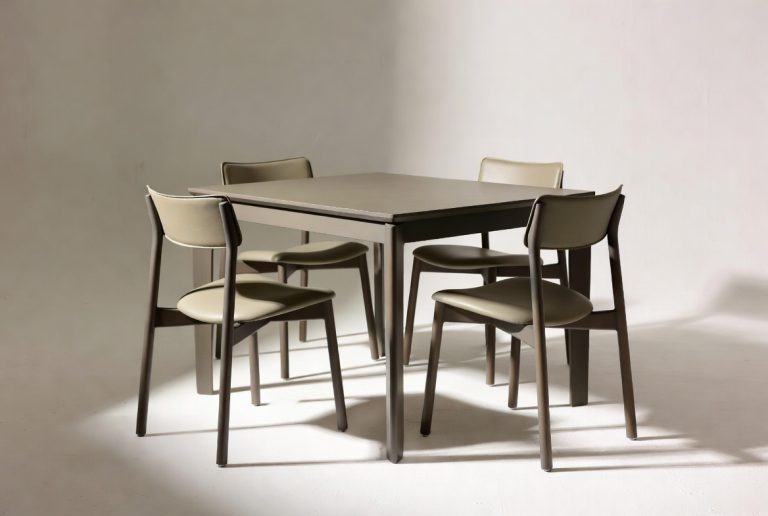
How Much Does It Cost to Get Dining Chairs Reupholstered? A Complete Guide
If you’re sitting in dining chairs that have seen better days, you’re probably wondering whether reupholstering them makes financial sense. Maybe the fabric is worn, stained, or simply out of style. Perhaps the bones of your chairs are solid, but they need a fresh look to match your updated home décor. Whatever your situation, understanding the costs involved in reupholstering dining chairs will help you make an informed decision.
Let me walk you through everything you need to know about reupholstery pricing, from the factors that influence costs to what you can expect to pay for different types of chairs.
Understanding Reupholstery Basics
Before we dive into pricing, let’s clarify what reupholstery actually involves. Reupholstering a dining chair isn’t just slapping new fabric on top of old upholstery. It’s a skilled process that requires removing the existing fabric, inspecting the frame and padding, and then carefully installing new materials.
Think of it like giving your chair a complete makeover rather than just applying a fresh coat of paint. The upholsterer will strip down to the frame, assess what needs repair or replacement, add new padding if necessary, and then wrap everything in your chosen fabric. It’s meticulous work that demands expertise and attention to detail.
Average Cost Range for Dining Chair Reupholstery
So what’s the bottom line? On average, you can expect to spend between $150 and $500 per dining chair for professional reupholstery. However, this range can vary significantly based on numerous factors we’ll explore shortly.
For a set of six dining chairs, you’re looking at anywhere from $900 to $3,000 in total costs. Some high-end jobs with premium fabrics and intricate designs might push toward $600 to $800 per chair or even higher. Meanwhile, simpler projects with basic fabrics might come in under $150 per chair.
What This Price Typically Includes
When you’re quoted a price for reupholstery, the estimate usually covers labor, basic fabric materials, and any necessary repairs to the frame or springs. However, understanding exactly what’s included is crucial before you commit to a project.
- Removal of existing fabric and old padding
- Inspection and repair of the chair frame
- Installation of new padding or batting
- Application of your chosen fabric
- Reinforcement of joints and seams
- Final finishing touches and trim work
Factors That Influence Reupholstery Costs
The price you’ll pay depends on several interconnected variables. Let me break down the major cost drivers so you understand why two seemingly similar chairs might have vastly different quotes.
Chair Size and Structure
Larger dining chairs obviously require more fabric and more labor time than smaller ones. A substantial wingback chair will cost significantly more than a simple wooden dining chair with a padded seat. The complexity of the structure matters too—a chair with arms, a back, and decorative elements requires more intricate work than a basic seat cushion.
Fabric Selection and Pricing
Here’s where costs can really swing one way or another. Fabric choice is typically the most variable component in your reupholstery quote.
Budget-Friendly Fabric Options
Basic cotton blends and simple polyester fabrics are the most economical choices. These materials might run $8 to $15 per yard, making them ideal if you’re trying to keep costs down. They’re durable enough for dining chairs, though they may not have the luxurious feel or longevity of premium options.
Mid-Range Fabrics
Performance fabrics, linen blends, and quality upholstery cotton typically cost between $15 and $30 per yard. These offer better durability, more aesthetic appeal, and often come with stain resistance or fade resistance properties. They’re a sweet spot for many homeowners seeking value and quality.
Premium Fabric Choices
Leather, velvet, high-end designer fabrics, and specialty materials can range from $30 to $100+ per yard. These fabrics offer exceptional aesthetics and durability but come with a premium price tag. If you’re investing in reupholstery, choosing a durable premium fabric means your investment will last longer.
Designer and Custom Fabrics
If you’re set on a specific designer fabric or a custom textile, costs can exceed $100 per yard. Many upholsterers will work with the fabric of your choice, though some may charge a small additional fee for handling non-standard materials.
Labor Costs Explained
Labor typically represents 40 to 60 percent of your total reupholstery bill. This is where an upholsterer’s experience and skill really matter.
Hourly Rates vs. Flat Fees
Some upholsterers charge by the hour, typically ranging from $40 to $100 per hour depending on their experience level and location. Others quote flat fees for specific projects. Flat fees are often easier to budget for since you know exactly what you’ll pay.
A simple dining chair seat might take 3 to 5 hours of labor, while a fully upholstered dining chair with back and arms could require 8 to 12 hours. Do the math, and you can see how labor costs escalate quickly.
Experience Level of the Upholsterer
A master craftsperson with decades of experience will charge more than someone relatively new to the trade. However, that premium often reflects superior quality, better attention to detail, and fewer costly mistakes. Sometimes paying more upfront saves money in the long run because the work lasts longer and looks better.
Chair Design Complexity
Not all dining chairs are created equal when it comes to reupholstery difficulty.
Simple Dining Chairs
Basic wooden dining chairs with simple seat cushions are the quickest and cheapest to reupholster. If your chair consists of a wooden frame with a seat cushion, you’re looking at a straightforward project with minimal complications.
Upholstered Back and Seat
Chairs with upholstered backs and seats require more fabric and more detailed work. Piping, welting, and button details all add complexity and cost. A Victorian-style dining chair with decorative elements will take longer than a mid-century modern chair with clean lines.
Highly Decorative Chairs
Chairs with nailhead trim, diamond tufting, rolled arms, or intricate embellishments demand specialized skills. An upholsterer must navigate all these details carefully, which increases both time and expertise required. These chairs often command premium prices.
Geographic Location Impact
Where you live dramatically affects reupholstery pricing. Urban areas with higher costs of living typically have higher labor rates than rural regions. A dining chair reupholstery project in New York City or Los Angeles will likely cost 30 to 50 percent more than the same work in a small Midwestern town.
This doesn’t mean rural upholsterers do inferior work—they simply operate with lower overhead costs, which they pass along to customers. If you live in an expensive metropolitan area, comparing quotes from upholsterers in nearby suburbs or smaller towns might yield significant savings.
DIY vs. Professional Reupholstery
Can you reupholster chairs yourself to save money? Technically, yes. However, let me be honest about the reality of DIY upholstery work.
The Case for DIY
If you’re willing to invest time in learning, DIY reupholstery can save you 50 to 70 percent on labor costs. You’ll only pay for materials—fabric, padding, and supplies. For someone with some sewing experience and patience, tackling simple seat cushions might be feasible.
The Hidden Challenges
Here’s what often surprises DIY enthusiasts: professional upholstery is harder than it looks. Pulling fabric taut, getting corners to lie flat, creating even seams, and ensuring the final product looks polished requires serious skill. One mistake with expensive fabric can be costly. If you’ve never done this before, your first attempt might look homemade in a way you’d rather not advertise.
Additionally, if your chair has structural issues—loose joints, damaged springs, or broken webbing—you need to address these before reupholstering. Upholsterers are trained to spot and fix these problems; most DIYers aren’t.
When DIY Makes Sense
Simple seat cushions on dining chairs are realistic DIY projects if you have basic sewing skills. Replacing the entire upholstery on a complex chair? I’d recommend leaving that to professionals unless you’re genuinely experienced with upholstery work.
Additional Costs to Consider
Your reupholstery quote might not include everything. Ask about these potential extra expenses.
Frame Repairs
If the chair frame has damage, this typically costs extra. Fixing broken joints, replacing damaged wood, or reinforcing weak spots can add $50 to $200 per chair depending on the severity.
Spring and Webbing Work
If your chair has eight-way hand-tied springs or complex webbing systems, repairing or replacing these adds to the cost. This specialized work might add $50 to $150 per chair.
Customization and Special Details
Adding piping, nailhead trim, buttons for tufting, or other embellishments increases costs. Each special element might add $10 to $50 to your project.
Delivery and Pickup
Some upholsterers include pickup and delivery in their estimates; others charge separately. Factor in $50 to $200 for transportation if it’s not included.
Fabric Cutting and Matching
If your fabric has a pattern that needs to be matched between the seat and back, this requires extra work and potentially more fabric. Expect to add $20 to $50 per chair for pattern matching.
Getting Quotes from Upholsterers
Don’t just accept the first quote you receive. Getting multiple estimates helps you understand the market and ensures you’re not overpaying.
What to Provide When Requesting Quotes
Take clear photos of your chairs from multiple angles. Note any damage or structural concerns. Provide the dimensions if you have them. Be specific about what you want—new fabric on the seat and back? New padding? Frame repairs? The more detailed your request, the more accurate your quotes will be.
Questions to Ask
- Does the estimate include frame inspection and repairs?
- What fabrics do you recommend for durability?
- How long will the project take?
- Do you offer a warranty on workmanship?
- Are there any additional costs not mentioned in the initial estimate?
- Can I see examples of your previous work?
- Do you work with customer-supplied fabric?
Money-Saving Tips
Want to reduce your reupholstery costs? Here are practical strategies that actually work.
Choose Durable Fabrics Wisely
Performance fabrics often cost less than natural fibers like velvet or leather, yet they’re easier to maintain and last longer. This is a win-win scenario where you save money and get better longevity.
Reupholster Only When Necessary
If only your seat cushions are worn, consider having only those reupholstered rather than the entire chair. This can cut costs in half or more.
Buy Fabric Wisely
Instead of letting the upholsterer source fabric for you, purchase it yourself from discount fabric retailers. Make sure it’s appropriate for upholstery work (not drapery fabric). You might save 20 to 30 percent this way, though some upholsterers charge a small fee for working with customer-supplied materials.
Batch Multiple Projects
If you’re reupholstering several chairs, negotiating a volume discount with your upholsterer makes sense. Many will reduce their per-chair rate when handling multiple pieces.
Focus on High-Impact Changes
Sometimes changing just the fabric color dramatically updates the look without needing structural changes. If your chairs are structurally sound, a fresh fabric is often all you need.
How to Choose the Right Upholsterer
Cost isn’t the only factor in choosing an upholsterer. Quality matters tremendously.
Check Credentials and Experience
Look for upholsterers who’ve been in business for several years. Ask about their training and certifications. Members of the American Upholsterers Association have demonstrated commitment to professional standards.
Review Their Portfolio
Request to see photos of completed projects, ideally including dining chair work similar to yours. Pay attention to seam quality, fabric alignment, and overall finished appearance.
Read Reviews and Ask for References
Online reviews provide insight into customer satisfaction and reliability. Ask the upholsterer for references from past clients. A reputable professional will happily provide names of satisfied customers.
Verify Insurance and Guarantees
Confirm that the upholsterer carries liability insurance. Ask about guarantees on their workmanship. A professional standing behind their work with a warranty indicates confidence in their quality.
Timeline and Process
Understanding the reupholstery timeline helps you plan accordingly.
Typical Turnaround Time
Simple projects might take 2 to 3 weeks from pickup to delivery. Complex projects could take 4 to 6 weeks. During busy seasons, expect longer waits. Always ask for a timeline when getting your quote.
The Reupholstery Process Step-by-Step
- Initial inspection an