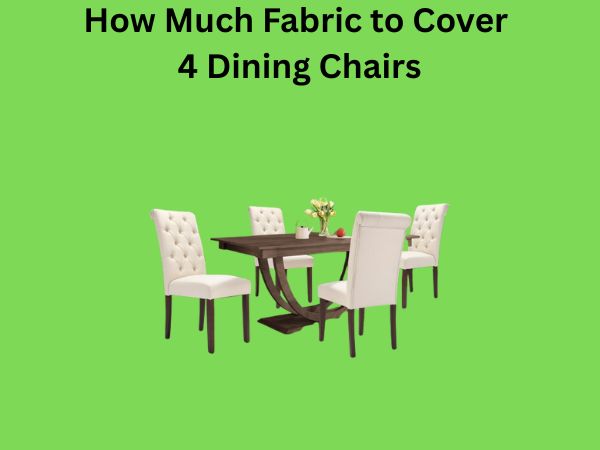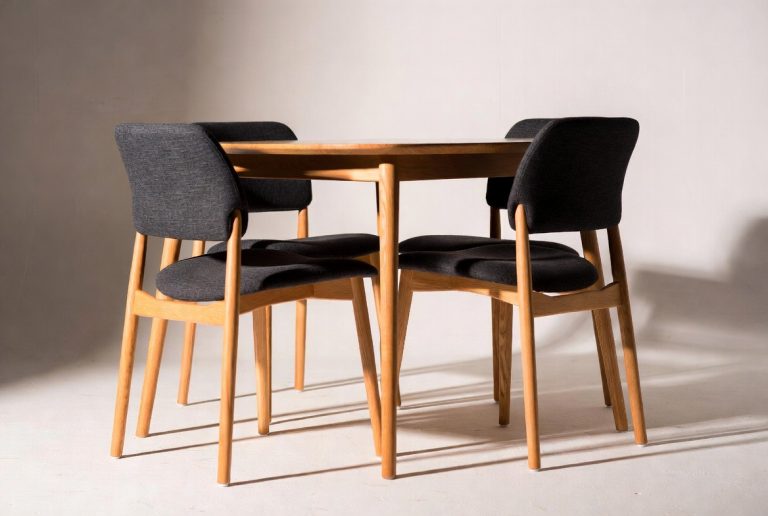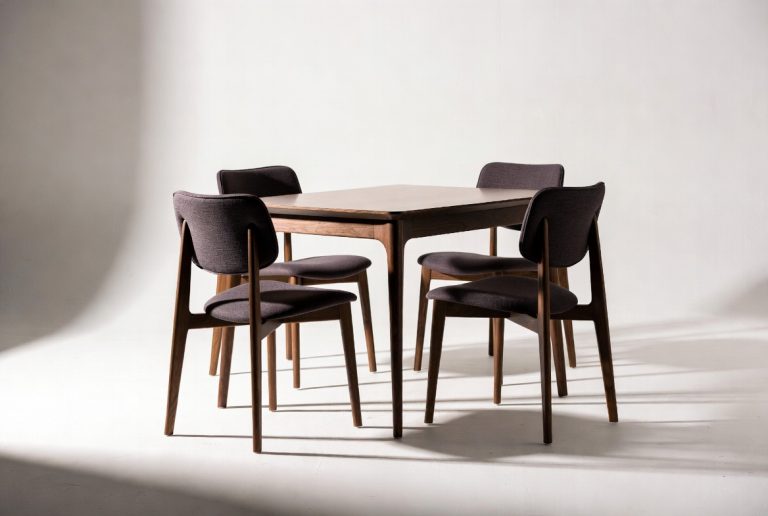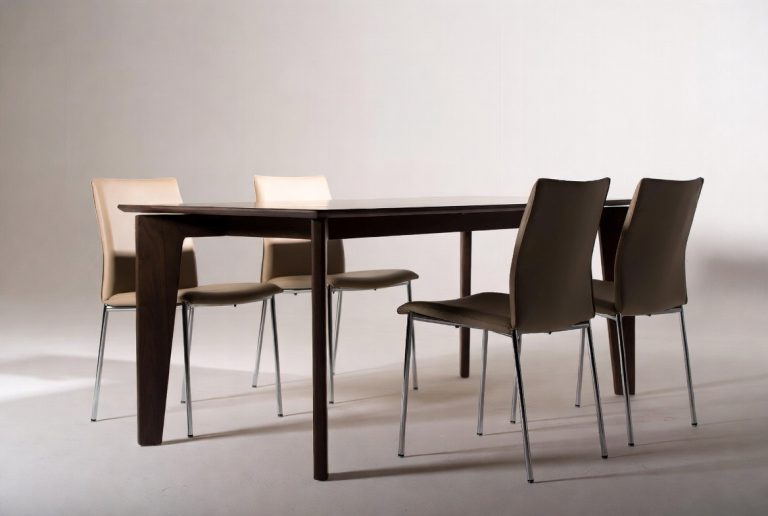
How Much Fabric for 6 Dining Room Chairs: A Complete Guide to Measuring and Calculating
When you’re planning to reupholster your dining room chairs or create custom seat cushions, one of the most common questions that comes up is: how much fabric do I actually need? It’s a legitimate concern, and getting the calculation wrong can lead to expensive mistakes or frustrating return trips to the fabric store. Let me walk you through everything you need to know about determining the right amount of fabric for your six dining room chairs.
Understanding Your Fabric Needs: The Basics
Think of fabric yardage like ordering a pizza—you need to know exactly how many people you’re feeding before you pick up the phone. Similarly, before you purchase a single yard of fabric, you need to understand what you’re working with. The amount of material required depends on several factors that go beyond just the number of chairs you own.
Let me be honest with you: there’s no one-size-fits-all answer because every dining room chair is different. A sleek modern chair with minimal upholstery requires far less fabric than a traditional wingback or a chair with decorative details and piping. That’s why we’re going to break this down step by step so you can measure your specific chairs.
The Key Factors That Determine Fabric Quantity
1. Chair Style and Design
The style of your dining room chairs plays the biggest role in fabric consumption. Are your chairs simple, straightforward designs, or do they have rounded edges, tufting, or elaborate details? A basic dining chair with a seat cushion and simple back might need only 1 to 1.5 yards of fabric per chair. However, a fully upholstered chair with arms and a decorative back could require 2 to 3 yards or even more.
2. Fabric Width and Pattern
Fabric doesn’t come in just one width. Standard fabric widths are typically 45, 54, or 60 inches. The wider your fabric, the less yardage you’ll need because you can fit larger pieces in a single length. Additionally, if your fabric has a large pattern or directional print, you’ll need extra fabric to match the pattern correctly across all six chairs. This matching requirement can easily add 25 to 50 percent more fabric to your total order.
3. Whether You’re Doing Seat Cushions Only or Full Upholstery
Are you just replacing the seat cushions, or are you tackling the entire chair? This question dramatically changes your fabric requirements. A simple seat cushion replacement might only need 0.75 yards per chair, while fully upholstering a chair involves the seat, back, sides, and possibly the frame.
How to Measure Your Dining Room Chairs Accurately
Step One: Measure the Seat
Start with the seat cushion, as this is typically the most prominent upholstered area. Measure the length and width of your seat in inches. Don’t just eyeball it—use a flexible measuring tape and measure from edge to edge. Add two inches to both dimensions to account for wrapping around the edges and securing the fabric underneath.
For example, if your seat is 18 inches wide and 20 inches deep, you’d want to cut a piece that’s approximately 22 inches by 24 inches. This extra fabric ensures you have enough material to work with when securing it to the chair frame.
Step Two: Measure the Back
If your chairs have an upholstered back, measure from the top of the backrest to where it meets the seat. Measure the width as well. Again, add extra inches for wrapping—typically two to three inches on all sides, depending on how thickly your cushioning is and how the chair was originally constructed.
Step Three: Check for Additional Upholstered Areas
Do your chairs have upholstered sides? Do the arms need covering? Take time to identify every surface that needs fabric. Measure each area carefully and document your findings.
Step Four: Calculate Total Fabric Per Chair
Here’s where the math comes in. Add up all the measurements you’ve taken, then convert that total square footage into linear yardage. Remember that fabric is sold by the linear yard, which is 36 inches long and whatever the fabric width is.
Let me give you a practical example. If you need a seat piece that’s 22 by 24 inches and a back piece that’s 22 by 24 inches, you’re looking at roughly 48 inches of length for those pieces. If your fabric is 54 inches wide, you can fit both pieces in a single linear yard with room to spare. However, if you’re using 45-inch-wide fabric, you might need slightly more yardage.
Calculating Yardage for Six Chairs: Practical Examples
Scenario One: Simple Seat Cushion Replacement
Let’s say you’re only replacing the seat cushions on six standard dining chairs. Each cushion requires about 0.75 yards of fabric. For six chairs, that’s 4.5 yards total. However, if your fabric has a pattern that needs matching, add 15 to 20 percent more, bringing you to roughly 5 to 5.5 yards.
Scenario Two: Seat and Back Cushion Upholstery
This is a more involved project. If each chair needs approximately 1.25 yards for the seat and back combined, you’re looking at 7.5 yards for six chairs. With pattern matching, you might want to order 9 to 10 yards to be safe.
Scenario Three: Full Chair Upholstery
For a complete reupholstering job involving the entire chair, you might need 2 to 2.5 yards per chair. Multiply that by six, and you’re looking at 12 to 15 yards. With pattern considerations and waste, ordering 18 to 20 yards is reasonable.
The Importance of Buying Extra Fabric: Why You Shouldn’t Cut It Close
I can’t stress this enough: always buy more fabric than you think you need. Why? Because mistakes happen. You might accidentally cut a piece slightly too small, or you might want to wrap the fabric extra securely around a corner. Seams might not align perfectly on the first try. Shrinkage can occur during cleaning. These aren’t catastrophes if you have extra fabric on hand, but they become real problems if you’re short by even a few inches.
A good rule of thumb is to purchase an additional 10 to 15 percent beyond your calculated needs. If you calculated that you need 10 yards, order 11 to 11.5 yards. The extra cost is minimal compared to the frustration of running short or having to special order more fabric that might not match perfectly.
Understanding Fabric Patterns and Their Impact on Yardage
Solid Colors and Small Prints
If you’ve chosen a solid color or a small, non-directional print, you’re in luck. These fabrics are forgiving and don’t require pattern matching. You can cut pieces from anywhere on the bolt without worrying about alignment. Your calculated yardage should be pretty accurate.
Large Repeating Patterns
Here’s where things get tricky. If your fabric has a large repeating pattern—think bold florals or geometric designs—you need to ensure the pattern aligns when the fabric wraps around the chair. This requirement means you might lose several inches of usable fabric on each piece because you need to cut at specific points in the pattern repeat.
If the pattern repeat is 12 inches, for example, you might need to add an extra 12 inches to each chair piece to ensure proper alignment. For six chairs, that’s significant additional yardage.
Directional Patterns
Directional prints are designs that have a clear up and down, like a floral with flowers pointing in one direction. These are the most demanding in terms of yardage because every piece must be cut in the same direction. You essentially can’t mix and match pieces, which means more waste.
For directional patterns, add 25 to 30 percent to your calculated yardage. It’s an investment, but it ensures a professional, cohesive look across all six chairs.
Working with Different Fabric Widths: How to Optimize Your Order
Fabric width significantly impacts how much yardage you need. Let me explain how to think about this strategically.
- 45-inch-wide fabric: This is a standard width for many cotton and lighter fabrics. It’s versatile but requires slightly more yardage for larger projects because you’re working with less width to cut pieces from.
- 54-inch-wide fabric: This is common for upholstery materials and decorator fabrics. The extra width means you can often nest pieces more efficiently, potentially reducing total yardage needs.
- 60-inch-wide fabric: This is the widest standard option, often used for upholstery and performance fabrics. Maximum width means maximum efficiency in cutting and nesting pieces.
Here’s a pro tip: when shopping for fabric, ask the store staff what width they recommend for your specific project. They can often suggest layouts that minimize waste and might even tell you exactly how much you need based on their experience.

Special Considerations for Dining Chair Reupholstery
Piping and Decorative Trim
If you want to add piping or decorative trim around your cushions, you’ll need extra fabric or a separate trim fabric. Piping alone might require an additional 1 to 2 yards for six chairs, depending on the perimeter of all your cushions combined.
Welting and Binding
Similar to piping, welting and binding require additional materials. Some people use contrasting fabric for these details, which adds another consideration to your shopping list.
Securing and Fastening Fabric Underneath
Don’t forget that you need enough fabric to wrap underneath the chair frame and secure it properly. This is where beginners often underestimate their needs. If you’re stapling or tacking fabric underneath, you need substantial overhang—typically 2 to 3 inches on all sides of each piece.
A Quick Reference Guide for Common Chair Types
Parsons Chairs
Parsons chairs are simple and streamlined. For six chairs with seat and back upholstery, plan on 1 to 1.25 yards per chair, or 6 to 7.5 yards total. Add 20 percent for pattern matching if needed.
Windsor Chairs
If you’re only doing seat cushions on Windsor-style chairs, 0.5 to 0.75 yards per chair works (3 to 4.5 yards total). If the back is also upholstered, add another 0.5 yards per chair.
Wingback Chairs
Wingback chairs are deceptive. Even though they’re dining chairs, they require substantial fabric because of the wings and deeper back. Plan for 2 to 3 yards per chair, or 12 to 18 yards for six chairs. These aren’t typical dining chairs, but if you have them, this estimate applies.
Barrel Chairs
The curved design of barrel chairs means you need extra fabric to accommodate the shape and ensure proper wrapping. Budget 1.5 to 2 yards per chair, or 9 to 12 yards for six chairs.
Shopping Tips: Making Your Fabric Purchase
Once you’ve calculated your needs, it’s time to shop. Here are some practical tips to ensure you get exactly what you need.
Bring Your Measurements
Write down every measurement you’ve taken and bring these to the fabric store. A good fabric salesperson can look at your numbers and give you professional advice on yardage. They might even have insights into efficient cutting patterns you hadn’t considered.
Check the Bolt Information
Before you buy, verify the width of the fabric. The width is usually listed on a label at the end of the bolt. This confirms that your calculations align with what you’re actually purchasing.
Ask About Returns
Some fabric stores allow returns or exchanges within a certain period. This can be a lifesaver if you discover you miscalculated or if the fabric doesn’t work as well as you hoped. Ask about the return policy before finalizing your purchase.
Consider Ordering Online
Many online fabric retailers offer free swatches so you can see and feel the material before committing to a large purchase. They also often have more extensive pattern selections than local stores. However, remember that online purchases don’t allow you to see the full bolt, so ordering extra is especially important.
Common Mistakes to Avoid When Calculating Fabric Needs
Let me share some mistakes I’ve seen people make repeatedly, so you can avoid them.
Mistake One: Forgetting to Account for Wrapping. People often measure just the visible surface and forget that fabric needs to wrap around edges and secure underneath. Always add at least two inches to every dimension.
Mistake Two: Underestimating Pattern Repeat Impact. A large pattern repeat can easily consume an extra foot or more of fabric per chair. Don’t ignore this factor.
Mistake Three: Not Checking Fabric Width Before Calculating. Your calculations mean nothing if you don’t account for the actual width of the fabric you’re purchasing. Always calculate based on the specific width you’ll be buying.
Mistake Four: Buying Too Close to Minimum. “I calculated 10 yards, so I’ll buy exactly 10 yards” is a dangerous approach. There’s no margin for error, and any miscalculation becomes catastrophic.
Mistake Five: Forgetting About Shrinkage. Some fabrics shrink when cleaned. If you’re using a fabric prone to shrinkage, add an extra 5 to 10 percent to account for this inevitable loss.
Professional Help: When to Call an Upholsterer
If all this calculating feels overwhelming, it’s perfectly reasonable to consult a professional upholsterer. They can measure your chairs accurately and tell you exactly how much fabric you need. Yes, they might charge a consultation fee, but the peace of mind and accuracy might be worth it, especially if you’re working with expensive fabric.
Professional upholsterers often have relationships with fabric suppliers and might even be able to order fabric at a discount. Plus, if you decide to let them do the upholstering work, they’ll already have all the measurements they need.
The Final Calculation: Your Six Dining Room Chairs
Here’s a general formula you can use as a starting point for six standard dining room chairs:
- Seat cushion only: 4.5 to 6 yards
- Seat and back: 7.5 to 9 yards
- Full upholstery (seat, back, and sides): 12 to 15 yards
Remember to add 15 to 30 percent more for pattern matching and mistakes. So your actual order should be higher than these base estimates.
Conclusion
Calculating how much fabric you need for six dining room chairs isn’t rocket