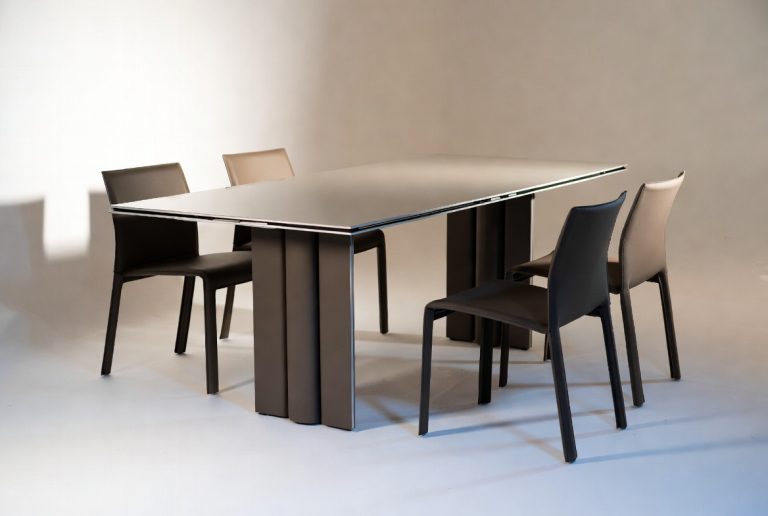
Don’t Get Cramped! How Much Room for Dining Chairs Do You Need?
Have you ever squeezed into a dining chair only to find yourself rubbing elbows with your dinner guests? Or maybe you’ve walked past a beautifully set dining table and wondered why it feels so uncomfortable despite looking lovely in photos? The truth is, most people underestimate just how much space dining chairs actually need. It’s one of those things that nobody really talks about until you’re already stuck in an awkward seating situation.
Whether you’re redesigning your dining room, shopping for new furniture, or trying to figure out if that table will actually work in your space, understanding proper chair spacing is absolutely crucial. Think of it like this: a well-proportioned dining setup is like a good conversation—everyone gets their turn to speak, and nobody’s talking over anyone else. Let me walk you through everything you need to know about dining chair spacing, because uncomfortable dining guests make for uncomfortable dinners.
The Golden Rule: The Minimum Space You Need
Let’s start with the basics. The standard recommendation from interior designers and furniture experts is that you need at least 36 inches of space from the edge of your dining table to any wall or piece of furniture behind the chair. This measurement is taken from the back of the chair when it’s fully pushed in under the table.
Why 36 inches? Well, that’s roughly the depth of a standard dining chair plus enough room for someone to comfortably pull the chair out, sit down, and stand back up without having to perform gymnastics or shuffle sideways. It’s the sweet spot that allows for natural movement without the frustration of chairs bumping into baseboards or walls.
Understanding Chair Dimensions and Space Requirements
Standard Dining Chair Depth
Most dining chairs fall into a pretty predictable size range. Your typical upholstered or wooden dining chair measures around 18 to 20 inches deep from front to back. Some modern designs might be slightly shallower, while more traditional wingback chairs can extend up to 24 inches or even deeper.
Here’s where it gets important: that depth isn’t just for sitting. When someone pulls the chair back to get up or to get comfortable at the table, you need extra clearance. This is why that 36-inch minimum rule exists—it accounts for the chair’s depth plus adequate walking space.
Chair Width and Elbow Room
Now let’s talk about side-to-side spacing, because this is where a lot of dining situations go wrong. Standard dining chairs are typically 16 to 18 inches wide at their widest point. However, the distance from one chair’s armrest to the next chair’s armrest should ideally be at least 10 to 12 inches.
Why? Because people need elbow room when they’re eating. Nobody wants to sit at a table where they’re constantly jostling their neighbor every time they cut their food or reach for their water glass. It creates tension at what should be a relaxing meal.
Table Size and Chair Capacity: The Real Numbers
Round Tables and Seating
Round tables are interesting because they create a more intimate dining experience, but they also have specific spacing requirements. For a 42-inch diameter round table—a common size—you can comfortably seat four people with proper spacing. Squeeze it a bit, and you might fit five, but trust me, people won’t enjoy it.
A 48-inch round table gives you more flexibility. You can seat six people reasonably well, though some interior designers might argue for five if comfort is your priority. The advantage of round tables is that nobody gets stuck in a corner or feels like they’re at the “kid’s end” of the table.
Rectangular Tables: The Most Popular Choice
Rectangular tables are the workhorses of most dining rooms. They’re versatile, they expand when needed, and they fit against walls nicely. The spacing rules for rectangular tables depend on their length and width, but here’s a practical breakdown:
- A 36 by 48-inch table can comfortably seat four people—one on each short end and one on each long side
- A 36 by 60-inch table works well for six people—typically two at each short end and one on each long side
- A 36 by 72-inch table is ideal for eight people with proper spacing
- Larger tables beyond 72 inches can accommodate more, but you’ll need to ensure that people in the middle can still reach the center items
Notice how these numbers seem generous? That’s intentional. These measurements account for people being able to move comfortably, enjoy their meal without feeling cramped, and actually participate in conversation without being awkwardly positioned.
The Science Behind Comfortable Spacing
Personal Space and Dining Comfort
There’s actually psychological research behind dining comfort, and it all comes down to personal space. Most people feel comfortable with about 18 inches of personal space on either side when sitting at a table—that’s the distance from your seated position to the person next to you.
When you violate this space, people instinctively become tense. They hold their arms closer to their bodies. They might talk less. The whole experience becomes less enjoyable, even if they can’t quite put their finger on why. It’s like watching a movie where the sound is slightly out of sync—nothing is technically wrong, but something feels off.
Movement and Accessibility
Beyond just sitting comfortably, people need to be able to actually use their chairs. This means:
- Pulling chairs out from the table without hitting walls or other furniture
- Standing up from their seated position without bumping into someone else’s chair
- Moving around the table to access different areas without becoming an obstacle
- Being able to push the chair back in when they’re finished
These movements seem obvious, but they’re often overlooked in space planning. I’ve visited dining rooms where chairs couldn’t fully extend because of walls or baseboards, creating an awkward situation where guests had to eat with the chair partially under the table.
Accounting for Your Specific Room Layout
Walls, Doorways, and Built-Ins
Your actual room layout is what makes or breaks your dining space. That 36-inch clearance rule? It assumes you’re measuring from the table edge to a wall. But what if there’s a wall sconce, a built-in cabinet, or architectural trim that sticks out?
Measure everything carefully. Account for any protrusions. If you have a decorative chair rail or wainscoting, that takes up space too. The more obstacles you have, the more clearance you actually need to maintain comfort.
Doorway Clearance
If your dining room has a doorway near the table, you need to ensure that opening and closing the door doesn’t hit any chairs. This might seem like a minor issue, but imagine trying to get past someone’s chair every time you enter or exit the room. Not fun for anyone involved.
As a general rule, if a doorway opens into your dining area, keep at least one chair width of clearance from the door’s swing path. This typically means 18 to 20 inches of space, depending on your chair width.
The Math: Calculating Your Ideal Setup
Step-by-Step Planning Process
Let me give you a practical method for figuring out exactly how many chairs will work in your space:
- Measure your room dimensions and note any architectural features like walls, doors, windows, and built-ins
- Determine where your table will sit and measure the available space
- Calculate the space behind each chair by measuring from where the table will be positioned to the nearest wall or furniture
- Ensure you have at least 36 inches of clearance
- Measure the available space on the sides of the table
- Divide this by the width of your chairs plus 10 to 12 inches of spacing between each chair
- The result tells you how many chairs you can realistically fit on each side
This method takes the guesswork out of planning. You’re working with actual numbers rather than hoping everything magically fits together.
Different Dining Scenarios and Space Needs
Formal Dining Rooms
If you have a dedicated formal dining room, you have the luxury of prioritizing comfort and aesthetics. Formal dining spaces typically allow for generous spacing because they’re not competing for function with other activities. You can follow the standard spacing rules without compromise.
Open Concept and Kitchen Dining Areas
Open concept living is all the rage these days, but it creates unique challenges for dining spaces. You’re often working with less dedicated space, and your dining table might need to accommodate the flow of traffic to the kitchen or other areas.
In these situations, you might need to be a bit more flexible with spacing. This doesn’t mean sacrificing all comfort, but you might choose a slightly smaller table or fewer chairs to maintain functionality in the broader space.
Small Apartments and Compact Spaces
Living in a small space doesn’t mean you can’t have a proper dining situation. It just means being strategic about your choices. A round table can actually be your best friend here because it takes up less overall space while still accommodating several people reasonably well.
Some people opt for chairs with a narrower profile or even bench seating on one side. While bench seating reduces flexibility, it does allow you to fit more people in less space. Just ensure you’re not sacrificing too much comfort in pursuit of capacity.
Chair Styles and How They Affect Space Needs
Armchairs Versus Armless Chairs
Here’s something many people don’t consider: armchairs take up significantly more horizontal space than armless chairs. A standard armchair might be 24 to 28 inches wide, while an armless chair is typically just 16 to 18 inches wide. That’s nearly a foot of difference per chair.
If you’re working with limited space, armless chairs are a practical solution. They’re also often lighter and easier to move, which is a bonus when you’re setting up for a dinner party.
Bench Seating Solutions
Benches are an increasingly popular option, especially in smaller dining spaces or farmhouse-style setups. A bench doesn’t require the same clearance behind it as individual chairs because people can shuffle in from the side. However, you still need to ensure people can actually sit comfortably without bumping into each other.
Benches work best on one side of the table with chairs on the opposite side, creating an asymmetrical but practical setup.
Statement Chairs and Oversized Designs
Modern and contemporary dining often features statement chairs with interesting silhouettes. Some of these beautiful designs are substantially larger than standard chairs. Before committing to oversized chairs, measure their actual dimensions carefully and adjust your spacing calculations accordingly.
Traffic Flow and Functionality Beyond Seating
Serving and Food Access
Good dining room design accounts for how people will actually move around the table. If you’re serving family-style or using a sideboard, people need to be able to navigate behind chairs without causing chaos. Ideally, you should have at least 42 inches of walking space in high-traffic areas.
Accessing the Table Center
Everyone at a round or rectangular table needs to be able to reach the center for salt, pepper, bread baskets, or shared dishes. If your table is too wide or your seating too tight, people at the ends or sides will feel excluded from the action.
For round tables, aim for a diameter no larger than 48 inches if possible, so everyone can comfortably reach the center. For rectangular tables, try to keep the width to 36 inches or less for optimal reach.
Testing Your Setup Before Committing
Using Cardboard and Tape Method
Before you buy a table and chairs, test your layout with cardboard cutouts. Seriously. Measure your furniture dimensions, cut out paper templates, tape them to your floor, and actually walk around them. Sit down and see how it feels. This simple exercise will reveal problems you never would have caught by just looking at measurements on paper.
Visiting Showrooms and Trying Before Buying
Visit furniture showrooms and actually sit in the chairs you’re considering. Pull the chair out and stand up. Try moving around the table. Talk to salespeople about the dimensions. This hands-on approach gives you a feel for what will work in your space.
Making Adjustments if Space is Tight
Furniture Arrangement Strategies
Sometimes, after all the measuring and planning, you realize that your ideal setup won’t work. Here are some strategies for making tight spaces work:
- Use a pedestal table instead of a table with legs to create more legroom under the table
- Choose chairs without wheels or rockers that could shift and take up more space
- Consider a narrower table if your room is particularly tight
- Use a console table that only extends when you need extra dining space
- Arrange furniture at an angle rather than straight against walls to make the space feel less cramped
Multipurpose Furniture Solutions
Some people use dining chairs that do double duty—serving as additional seating in a living room or home office when not needed at the table. This allows you to keep fewer chairs in your dining space while still having the capacity for entertaining.
Conclusion
Figuring out how much room you need for dining chairs isn’t just about slapping down a table and throwing some seats around it. It’s about creating a space where people actually want to linger over meals, enjoy conversation, and feel comfortable. That 36-inch clearance behind your chairs? That’s not arbitrary—it’s the difference between a pleasant dining experience and one where everyone feels slightly cramped and irritable.
The key is to measure carefully, account for your specific room’s unique features, and test your layout before committing to purchases. Whether you’re working with a sprawling formal dining room or a cozy apartment kitchen, understanding these spacing principles will help you create a dining setup that truly works. Your guests—and your own dinner experiences—will thank you for taking the time to get it right.
Frequently Asked Questions
What’s the minimum space needed between a dining table and the wall behind the chairs?
The standard recommendation is 36 inches of clearance from the edge of the table to the wall or furniture behind the chairs. This allows someone to comfortably pull out the chair, sit down, and stand back up. Some designers suggest up to 42 inches for even more comfort, especially if you have armchairs or if your room gets a lot of foot traffic.
Can I fit more chairs at my table if I use armless ones instead of armchairs?
Yes, absolutely. Armless chairs are typically 6 to 10 inches narrower than armchairs, which can make a significant difference in how many seats you can comfortably fit. However, when counting seats, always prioritize comfort over capacity. It’s better to have fewer people sitting comfortably than cramming everyone in tightly.
How do I measure my dining room to determine the right table size?
Start by measuring the length and width of your dining room. Subtract 36 inches from each dimension to account for the necessary clearance around