How to Choose Chairs for Your Dining Table: A Complete Guide to Finding Your Perfect Match
Let me ask you something—when was the last time you actually thought about your dining chairs? Most of us don’t, right? We sit on them every day, yet we rarely consider whether they’re really the best fit for our needs, our space, or our lifestyle. If you’re reading this, chances are you’re either furnishing a new dining area or you’ve finally reached that point where your current chairs just aren’t cutting it anymore.
Choosing the right dining chairs is so much more than just picking something that looks nice. It’s about comfort, durability, style, and how those chairs will work with your existing table and space. Think of it like finding the perfect pair of shoes—sure, they might look amazing, but if they hurt your feet, you’re not going to wear them. The same principle applies to dining chairs.
In this comprehensive guide, I’m going to walk you through everything you need to know about selecting dining chairs that will make you actually want to spend time at your dining table. We’ll cover the practical aspects, the style considerations, and the questions you should be asking yourself before making that purchase.
Understanding Your Dining Space and Its Dimensions
Before you even think about what your chairs look like, you need to understand the space you’re working with. This is foundational, and I can’t stress this enough. Your beautiful new chairs won’t matter much if they don’t fit properly in your dining area.
Start by measuring your dining space carefully. You’ll want to know the length and width of your room, or at least the area where your dining table and chairs will be positioned. Take measurements from wall to wall and note any architectural features like windows, doors, or built-in furniture that might affect your chair placement.
Now, here’s something many people overlook: you need space around your table for chairs to pull out comfortably and for people to walk around. Think of it like a dance floor—everyone needs room to move without bumping into one another. Generally, you should have at least 36 to 48 inches of clearance on each side of your table for comfortable chair movement and foot traffic.
Measuring Chair Dimensions and Table Height
Your dining table typically sits at a height of 28 to 30 inches. Your chairs should have a seat height of approximately 16 to 18 inches, which creates a comfortable 10 to 12-inch gap between the seat and the table surface. This gap is crucial for legroom and comfort.
Also, pay attention to the overall dimensions of each chair. Measure the width, depth, and height. A chair that’s too wide might make it impossible to fit your desired number around the table, while a chair that’s too deep might obstruct movement in your dining space.
Determining the Right Number of Chairs You Need
How many chairs do you actually need? This depends on your household size, how often you entertain, and how much space you have. There’s no one-size-fits-all answer here.
If you live alone, you might get away with just two chairs opposite each other. A family of four typically does well with four chairs. But what if you entertain frequently? You might want to think about expandable options or extra chairs you can bring out when needed.
Seating Capacity and Table Space
As a general rule, you can fit one chair per 24 inches of table length. So a 48-inch table comfortably seats four people (two on each side), while a 60-inch table can accommodate six. However, this is just a guideline. You might prefer a less crowded feeling and opt for fewer chairs with more elbow room for everyone.
Don’t feel pressured to fill every possible spot around your table. Quality of experience matters more than maximum capacity. You’d rather have guests who are comfortable and can actually use their utensils without knocking elbows with their neighbors.
Exploring Different Chair Styles and Their Characteristics
Now we’re getting into the fun part—the aesthetics. There are so many chair styles out there, and each brings a different vibe to your dining space. Let me break down some popular options and what makes each special.
Traditional and Classic Dining Chairs
Traditional chairs often feature wooden frames with classic silhouettes. Think spindle backs, turned legs, and timeless designs that have been around for decades. These chairs work beautifully with period dining tables and create a formal, sophisticated atmosphere. They’re like the little black dress of dining furniture—always in style, always elegant.
Contemporary and Modern Chairs
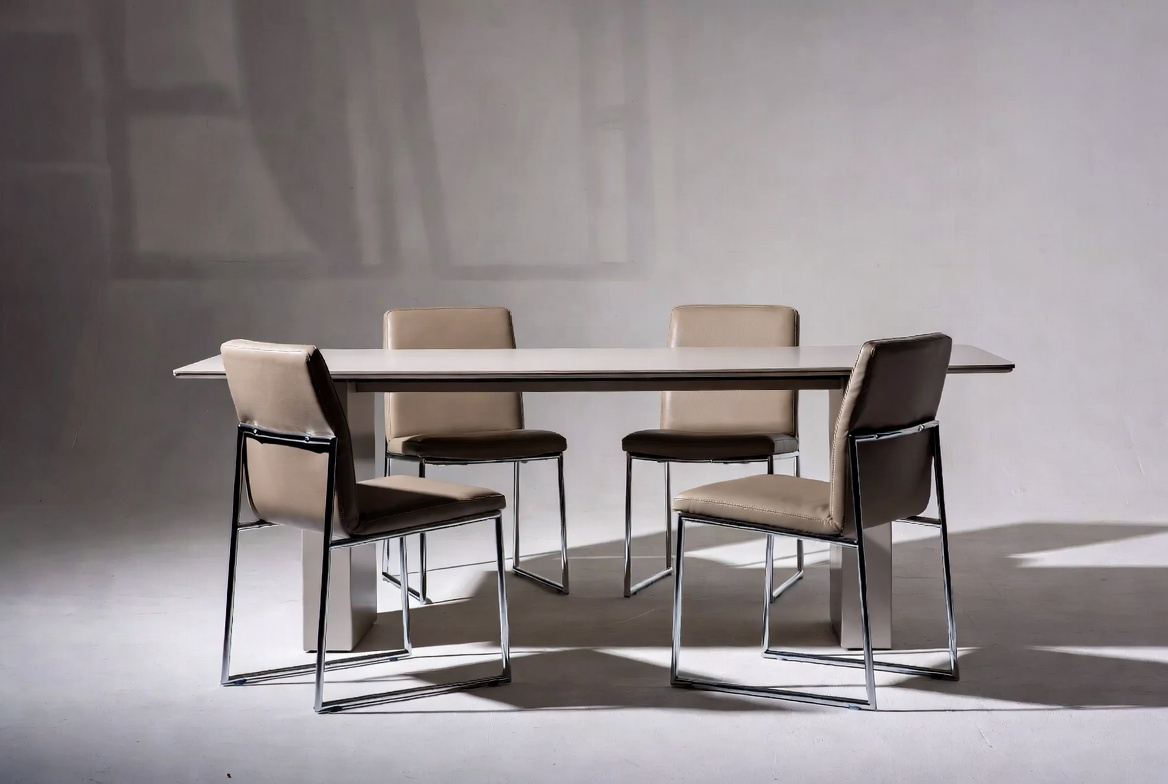
Modern dining chairs embrace clean lines, minimalist designs, and innovative materials. They might feature metal frames, plastic seats, or upholstered designs with geometric shapes. If your dining table is sleek and modern, these chairs will complement it perfectly. They work especially well in smaller spaces because they often have a more compact footprint.
Mid-Century Modern Chairs
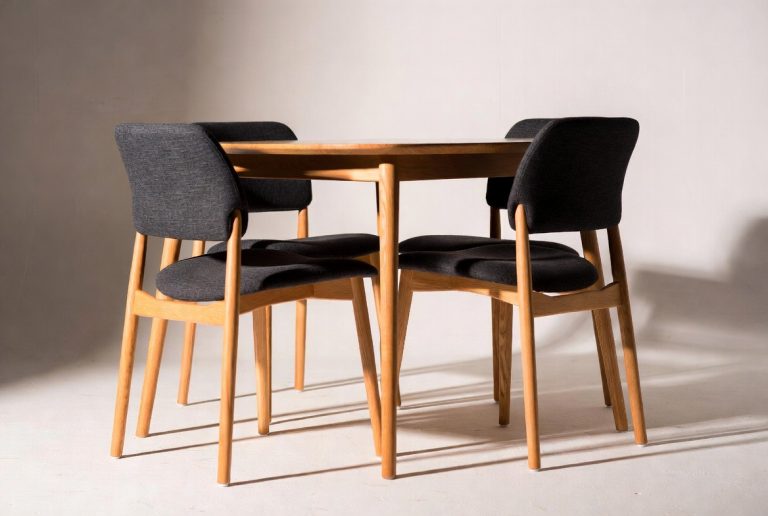
If you want something with character and warmth, mid-century modern chairs are wonderful. They typically feature tapered wooden legs, curved seats, and a balance between form and function. These chairs have experienced a huge resurgence in popularity, and honestly, they work with both traditional and modern tables.
Upholstered Chairs
Upholstered dining chairs add softness and comfort to your space. They feature foam cushioning and fabric or leather covering. These are particularly popular for master bedrooms and dining areas where you want to linger longer. However, they do require more maintenance and care than wooden chairs.
Windsor Chairs
These chairs are characterized by spindles that radiate from the back post, creating that distinctive Windsor style. They’re incredibly sturdy, work with various décor styles, and have been around since the 1700s. They’re practical, attractive, and usually quite affordable.
Evaluating Comfort and Ergonomic Features
Here’s where form meets function. A beautiful chair that’s uncomfortable to sit in is essentially a decorative sculpture, not a functional piece of furniture.
Comfort is subjective, but there are some key elements to evaluate. Does the chair have proper back support? Is the seat deep enough that you’re not falling off the edge? Is there adequate cushioning? These factors make the difference between enjoying a leisurely dinner and counting the minutes until you can leave the table.
Back Support and Posture Considerations
Your back is important. A good dining chair should support the natural curve of your spine. Some chairs have high backs that provide more support and create a more formal look. Others have low backs or no back at all, which can be less supportive but might suit your aesthetic preferences.
If you spend significant time at your dining table—perhaps you work from home or entertain frequently—investing in chairs with proper lumbar support becomes even more critical. Your future self will thank you for prioritizing comfort.
Seat Depth and Width
A seat that’s too shallow will have you perched uncomfortably on the edge. A seat that’s too deep means your feet won’t touch the ground, leaving your legs dangling and creating tension. The sweet spot is usually between 16 and 18 inches deep and 16 to 20 inches wide.
Armrest Considerations
Armrests add comfort but also take up space. They make it harder to pull chairs under the table, which might be a concern in smaller dining areas. Some people love armrests; others find them restrictive. Consider how you’ll actually use your dining space before deciding.
Considering Materials and Durability
Materials directly impact how long your chairs will last and how much maintenance they’ll require. Let’s talk about the main options.
Wood Options
Wood is a classic choice for dining chairs. Hardwoods like oak, walnut, and cherry are durable and beautiful. Softwoods are less expensive but may not hold up as well to daily use. Solid wood is preferable to plywood or veneer if you want longevity.
Wooden chairs can be refinished if they get damaged or if you want to refresh their look. This is a huge advantage for long-term investment.
Metal Frames
Metal chairs, whether iron, aluminum, or steel, are typically very durable and easy to clean. They work well in modern and industrial settings. However, they can be uncomfortable without adequate cushioning, and they may show fingerprints or require regular polishing.
Upholstery Materials
If you’re going with upholstered chairs, you have options like fabric, leather, or faux leather. Fabric is comfortable and comes in endless patterns and colors. Leather is luxurious and easy to wipe clean, but it’s more expensive. Faux leather offers a middle ground—it looks similar to real leather but costs less and may not age as gracefully.
Consider your lifestyle when choosing upholstery. Do you have kids or pets? How often do you eat at your dining table? These factors should influence your material choice.
Matching Chairs with Your Dining Table Style
Your chairs and table should work together harmoniously. They don’t have to be from the same set—in fact, many designers mix and match—but they should complement each other stylistically.
Color and Finish Coordination
Look at the color and finish of your table. Are you working with warm or cool tones? Is the table matte or glossy? Your chairs should either complement or intentionally contrast with these elements. A dark walnut table might look stunning with light upholstered chairs, creating visual interest and balance.
Mixing and Matching Styles
Contemporary design often embraces mixing styles. You might pair a rustic wooden table with modern upholstered chairs. The key is ensuring there’s a visual thread connecting them—perhaps through color, material, or design elements.
One popular approach is using chairs with different upholstery colors that coordinate through a shared palette. This creates visual interest while maintaining cohesion.
Setting a Realistic Budget
How much should you spend on dining chairs? That’s a personal decision based on your financial situation, how often you use your dining space, and what quality level you want.
Budget-Friendly Options
You can find acceptable dining chairs at big-box furniture stores for $50 to $200 per chair. These are typically adequate for occasional use but may not be as durable as higher-end options.
Mid-Range Furniture
Chairs in the $200 to $500 range typically offer better quality construction and materials. These chairs will likely last you many years with proper care.
High-End and Designer Options
Premium dining chairs from designer brands or specialty makers can cost $500 to $2,000 or more per chair. These are investments in quality, durability, and often exclusive design.
Remember, it’s not necessarily about spending the most money—it’s about finding the best value for your specific needs. A $300 chair might be perfect for you, while a $1,000 chair might be overkill or inappropriate for your lifestyle.
Exploring Color and Upholstery Options
Color is such a personal choice, but let me share some thoughts on selecting colors that will stand the test of time in your dining space.
Neutral Colors and Timeless Choices
Neutral tones like gray, beige, cream, and black are versatile and work with almost any dining table. They also hide stains better and feel less trendy, so your chairs won’t feel dated in five years.
Bold Colors and Personal Expression
If you love color, go for it! A vibrant blue or jewel-toned green can make your dining space feel exciting and personal. Just make sure you’re genuinely drawn to the color and not just following a trend. Ask yourself: will I still love this color in three years?
Pattern Considerations
Patterned upholstery can add visual interest, but it can also show stains more readily and might feel busier in a smaller space. If you choose patterns, consider larger, bolder prints over busy small-scale patterns.
Thinking About Maintenance Requirements
Different materials require different care. Understanding maintenance needs before you buy will help you make a choice you won’t regret.
Easy-Care Materials
Metal and leather are relatively easy to maintain. A quick wipe-down with a cloth is often all they need. Solid wood can be dusted and occasionally polished.
High-Maintenance Considerations
Upholstered fabric chairs require more attention. Spills need prompt attention, and periodic professional cleaning might be necessary. Light-colored fabrics show dirt more readily. If you have young children or pets, factor this into your decision.
Testing Chairs Before You Buy
This is crucial, and I cannot overstate its importance. Never buy dining chairs without sitting in them first if possible.
What to Evaluate When Testing
- Sit in the chair for at least a minute. How does it feel? Is your back supported?
- Can you easily scoot closer to or farther from the table?
- Is the seat height appropriate relative to a standard dining table?
- Does the seat cushion feel firm enough, or is it too soft and bottoming out?
- Can you comfortably rest your arms on the table?
- Does the chair feel sturdy and solid?
If you’re ordering online, look for companies with generous return policies. Some online retailers understand that dining chairs are a significant purchase and allow you to try them at home before committing.
Understanding Space and Traffic Flow
Even beautiful, comfortable chairs won’t work if they impede movement through your dining space.
Measuring Clearance
Pull a chair out from the table at its furthest position. Measure how far it extends into the room. If you have a narrow dining area, you might need slimmer chairs or chairs with a smaller depth to maintain walkable space.
Creating an Open Feel
Chairs with legs and open space underneath feel less heavy than chairs with skirted bases. This is especially important in smaller dining spaces where you want to maintain an open, airy feeling.
Considering Your Lifestyle and Family Needs
Your lifestyle directly impacts what type of chairs will work best for you.
Families with Young Children
Easy-to-clean materials
![7 Best Paint For Dining Room Chairs [2026]](https://seatvit.com/wp-content/uploads/2026/07/7-best-paint-for-dining-room-chairs-2026-featured-768x432.jpg)


![7 Best Upholstery For Dining Room Chairs [2026]](https://seatvit.com/wp-content/uploads/2026/07/7-best-upholstery-for-dining-room-chairs-2026-featured-768x432.jpg)