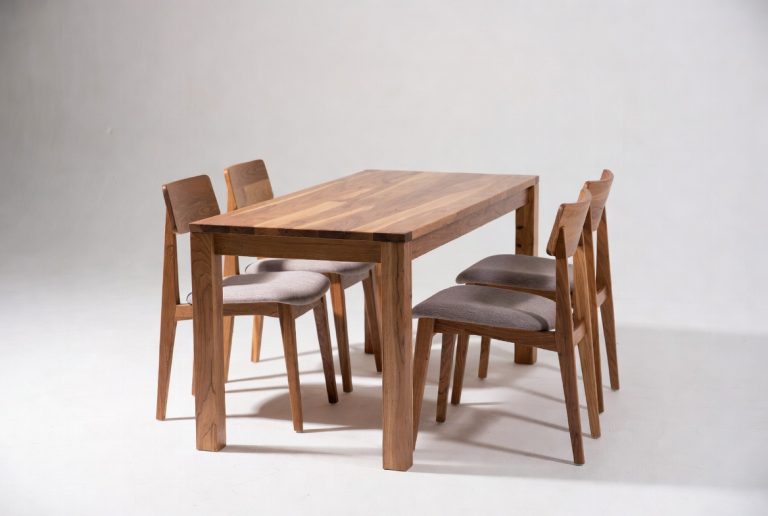
How to Clean Stained Dining Room Chairs
The easiest way to clean stained dining room chairs is to first identify the stain type and then use the right cleaning solution. For most common food spills, a gentle soap and water mixture works wonders. Always test your cleaning method in an inconspicuous spot first to avoid damage. We found that this approach is surprisingly effective for many materials.
Your dining room chairs often bear the brunt of family meals and gatherings. Stains from spaghetti sauce, wine, or even just greasy fingerprints can accumulate over time. Knowing how to tackle these spots quickly can save your furniture from permanent damage. Many homeowners worry about making stains worse, but with the right steps, you can restore your chairs to their former glory.
TL;DR:
- Identify stain type for best results.
- Use soap and water for common food stains.
- Always test cleaners on a hidden spot first.
- Act quickly to prevent stains from setting.
- Consider professional cleaning for tough stains.
Let’s walk through exactly how to tackle those pesky stains and get your dining chairs looking spick and span again.
“`htmlTackling Stains on Your Dining Chairs
Your dining chairs see a lot of action! From spills during lively dinners to sticky fingers from little ones, stains can happen. Don’t worry, though. You can often get them looking like new again. The key is to act fast and use the right approach for the specific stain and chair material.
We’ve found that a little know-how goes a long way. Let’s get those chairs looking fantastic!
First Steps: What’s the Damage?
Before you grab any cleaner, take a moment to assess the situation. Knowing what caused the stain is your biggest clue. Is it a greasy smudge? A colorful spill from dinner? Or perhaps something unknown?
Identify the Stain Type
Different stains require different treatments. Treating a red wine spill the same way you’d treat a crayon mark might not yield the best results. So, play detective for a moment.
Common Stain Culprits
- Food & Drink Spills: Think ketchup, pasta sauce, wine, coffee, juice. These are often water-based or oil-based.
- Grease & Oil: Butter, cooking oil, or even greasy fingerprints fall into this category.
- Ink & Markers: These can be tricky but are often alcohol-based.
- General Grime: Everyday dirt and build-up.
Know Your Chair Material
Equally important is understanding what your chairs are made of. Different fabrics and finishes react differently to cleaning agents. What works for sturdy wood might ruin delicate upholstery.
Common Chair Materials
- Wood: Hardwood (oak, maple) and softwood (pine). Usually finished with varnish, lacquer, or paint.
- Upholstery: Fabric (cotton, linen, polyester, microfiber) or leather.
- Plastic/Vinyl: Common in more modern or outdoor-style chairs.
Gather Your Cleaning Arsenal
Having the right tools and solutions ready will make the cleaning process much smoother. You probably already have most of these items in your home.
Essential Cleaning Supplies
- Clean cloths or microfiber towels
- Soft-bristled brush or old toothbrush
- Mild dish soap
- Warm water
- White vinegar
- Baking soda
- Rubbing alcohol (isopropyl alcohol)
- Leather cleaner (if applicable)
- Wood polish or cleaner (if applicable)

Cleaning Techniques for Different Materials
Now, let’s get down to business. Remember to always test any cleaning solution on a hidden area first. This could be the underside of the seat or a small spot on the back.
Wood Chairs: Wiping Away Woes
Wood is beautiful but can be sensitive to too much moisture or harsh chemicals. For most spills, a gentle approach is best.
Everyday Cleaning for Wood
For general dust and light marks, dampen a soft cloth with water and a drop of mild dish soap. Wring out the cloth well so it’s just damp, not wet. Wipe down the affected area. Follow up immediately with a dry cloth to remove any moisture.
Tackling Tougher Wood Stains
If soap and water don’t cut it, try a paste of baking soda and water for stubborn spots. Apply gently with a cloth, rub lightly, and wipe clean. For greasy marks, sometimes a dry cloth can absorb excess grease. For more persistent issues, a specialized wood cleaner or polish might be needed, always following product instructions carefully (Cleveland Clinic).
Upholstered Chairs: Fabric Care
Upholstery can be more forgiving than you think, but always check the manufacturer’s care tag if available. It usually has a code indicating cleaning methods.
Fabric Codes Explained (Briefly!)
- W: Use water-based cleaners.
- S: Use solvent-based cleaners (no water).
- W/S: Use either water-based or solvent-based cleaners.
- X: Vacuum only. No liquid cleaners.
General Upholstery Cleaning
For most fabric upholstery (coded ‘W’), mix a small amount of mild dish soap with warm water. Create suds by agitating the water. Apply only the suds to the stain using a clean cloth. Blot gently, don’t rub. Rinse by blotting with a cloth dampened with plain water. Let air dry completely.
Dealing with Grease on Upholstery
For greasy stains on ‘W’ coded fabrics, sprinkle baking soda or cornstarch on the stain immediately. Let it sit for about 15-30 minutes to absorb the grease. Then, vacuum it up. You may need to follow with a sudsy water treatment.
Leather Chairs: Gentle is Key
Leather needs specialized care. Harsh cleaners can dry it out and cause cracking.
For most spills on leather, wipe immediately with a clean, dry cloth. For tougher spots, use a damp cloth (water only) and blot. If a mild soap solution is needed, use a very diluted mixture (a drop of mild soap in a cup of water) and apply only the suds. Always wipe with a clean, damp cloth afterward and then dry. We found that specialized leather cleaners are often the safest bet for removing stains without damage.
Plastic and Vinyl Chairs: Easy Does It
These materials are generally the easiest to clean.
Simple Solutions for Plastic/Vinyl
A simple solution of warm water and mild dish soap is usually all you need. Use a soft cloth or sponge to wipe the area. For stubborn marks, you can try a bit of baking soda paste or a gentle all-purpose cleaner. Rinse with a damp cloth and dry thoroughly.
Quick Checklist for Stain Removal Success
Keep these points in mind for your next stain emergency:
- Act Fast: The sooner you treat a stain, the easier it is to remove.
- Know Your Material: Wood, fabric, leather, or plastic requires different care.
- Test First: Always test cleaners on an inconspicuous spot.
- Blot, Don’t Rub: Especially important for upholstery.
- Dry Thoroughly: Prevent water spots or further damage.
Conclusion
You’ve got this! Cleaning stained dining chairs doesn’t have to be a daunting task. By identifying the stain and knowing your chair’s material, you can choose the right cleaning method. Remember, a little dish soap and water often does the trick for common spills, but always test first in a hidden spot. For tougher jobs or delicate materials like leather, specialized cleaners might be your best bet. Take action quickly, and you’ll keep your dining chairs looking beautiful for many meals to come. Your next step is to grab your supplies and tackle that stain head-on!
Frequently Asked Questions
What’s the best way to remove a red wine stain from fabric dining chairs?
For red wine on fabric chairs, act fast! Blot up as much liquid as possible with a clean cloth. We found that a mixture of mild dish soap and cool water works well; apply with a damp cloth and blot gently. If that doesn’t fully work, a solution of equal parts white vinegar and water can also be effective. Always rinse with a damp cloth and allow to air dry.
Can I use a magic eraser on my wooden dining chairs?
Magic erasers can be too abrasive for most finished wood surfaces and might remove the finish or color. It’s best to stick to gentler methods like a damp cloth with mild soap or a specialized wood cleaner. If you must try something stronger, test it on a very small, hidden area first. We found that baking soda paste is a safer alternative for tougher spots on wood.
How do I clean greasy fingerprints from leather dining chairs?
Greasy fingerprints on leather can usually be wiped away with a soft, dry cloth. For more persistent grease, try a slightly damp cloth with a tiny amount of mild soap mixed with water. Wipe gently, then immediately follow with a clean, damp cloth to remove any soap residue. Always finish by drying the area thoroughly with a soft, dry cloth.
My dining chairs have a ‘W’ code on the tag – what does that mean for cleaning?
A ‘W’ code on your upholstery tag means you should use water-based cleaning agents. This includes simple solutions like mild dish soap mixed with water. Avoid using solvent-based cleaners, as they could damage the fabric. Always blot stains gently and avoid overwetting the fabric.
How often should I deep clean my dining chairs?
Regular spot cleaning as soon as stains occur is key. For a deeper clean, consider cleaning your dining chairs every few months, or more often if they see heavy use. This might involve a more thorough wipe-down for wood or plastic, or a gentle vacuum and fabric refresh for upholstery.