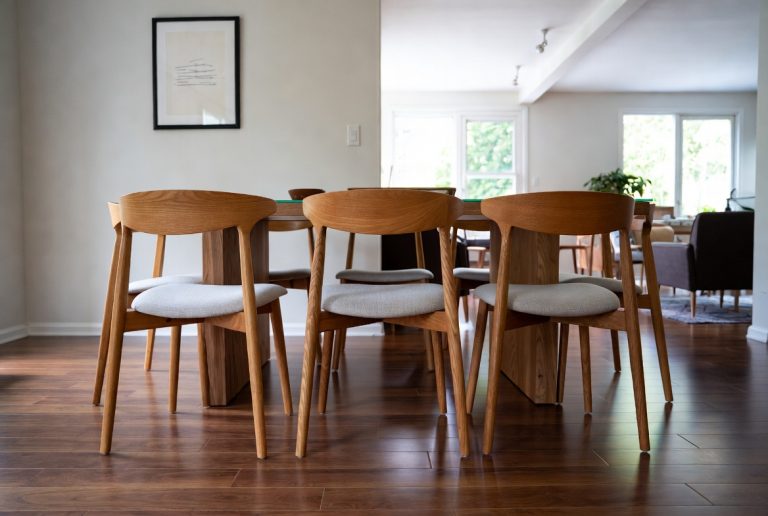
How to Deep Clean Fabric Dining Chairs: Guide
The easiest way to deep clean fabric dining chairs is to start with a thorough vacuuming. Then, tackle stains with a fabric-specific cleaner. For overall freshness, use a mild soap and water solution, always testing in an inconspicuous spot first to prevent damage or discoloration. This method helps restore your chairs’ appearance.
Fabric dining chairs can accumulate crumbs, spills, and general grime faster than you might think. Regular spot cleaning is good, but a deep clean is essential for maintaining hygiene and prolonging the life of your furniture. We found that a consistent deep cleaning routine makes a big difference. It’s about more than just looks; it’s about creating a cleaner dining environment for your family.
- Vacuum thoroughly to remove loose debris.
- Spot-treat stains with appropriate cleaners.
- Use a mild soap and water for general cleaning.
- Always test cleaners in a hidden area first.
- Allow chairs to dry completely before use.
Ready to give your dining chairs the spa treatment they deserve? Let’s walk through exactly how to get them looking and feeling like new again, step by step.
Giving Your Fabric Dining Chairs a Thorough Deep Clean
When it comes to keeping your home fresh, your dining chairs are often overlooked. But think about it: they’re constantly exposed to crumbs, spills, and general household dust. A good deep clean can really make a difference. We’ve found that a systematic approach ensures your chairs look their best and remain hygienic. Let’s get those chairs sparkling!
Pre-Cleaning Steps: Preparing for the Deep Clean
Before you start scrubbing, a little prep work goes a long way. This step is key to avoiding a bigger mess later on. It’s all about setting yourself up for success.
1. The All-Important Vacuuming Ritual
This is your first line of defense against loose dirt and debris. Grab your vacuum cleaner with the upholstery attachment. Get into every nook and cranny. Don’t forget the seams, the back, and even under the seat cushion if it’s removable. This step alone can remove a surprising amount of grime.
2. Identifying Your Fabric Type
Not all fabrics are created equal, and how you clean them should reflect that. Knowing your chair’s material will help you choose the right cleaning method and products. This prevents accidental damage, which no one wants!
Common Fabric Codes and What They Mean
Manufacturers often use codes to indicate cleaning recommendations. You might find these on a tag attached to your chair. Here’s a quick rundown of what they commonly mean:
| Code | Cleaning Method | What to Avoid |
|---|---|---|
| W | Water-based cleaners | Solvent-based cleaners |
| S | Solvent-based cleaners (dry cleaning solvent) | Water-based cleaners |
| W/S | Either water-based or solvent-based cleaners | Avoid mixing |
| X | Vacuum only | Any liquid cleaner |
If you can’t find a tag, err on the side of caution. Many upholstery fabrics can be cleaned with mild soap and water. We found that checking the manufacturer’s website can also be a great resource if the tag is missing.
3. Spot Testing is Non-Negotiable
Seriously, don’t skip this step. Before applying any cleaner to the main body of your chair, test it on a small, hidden area. Think the underside of the seat or the very back of the chair where it meets the wall. Let it dry completely. This way, you can see if the fabric discolors, stains, or shows any other adverse effects. This simple check saves a lot of potential headaches.
Tackling Stains: Your Secret Weapon
Stains happen, and sometimes a general clean isn’t enough. The key here is to act fast, but even older stains can often be lifted with the right approach.
Dealing with Specific Types of Stains
Different stains require different treatments. For greasy food stains, a paste of baking soda and water can help absorb the grease. For ink stains, rubbing alcohol might be effective (always test first!). We found that a mild dish soap solution often works well for general food-based spills.
Choosing the Right Stain Remover
When selecting a commercial stain remover, ensure it’s specifically designed for upholstery fabrics. Read the product label carefully. Some are better suited for synthetic fibers, while others are meant for natural materials. Always follow the product’s instructions precisely. Many experts recommend a gentle approach first, escalating only if necessary (CDC).

General Deep Cleaning for a Fresh Finish
Once you’ve tackled any specific stains, it’s time for a general refresh of the entire chair. This method focuses on overall cleanliness and odor removal.
The Mild Soap and Water Method
This is a safe and effective option for many fabric types. Mix a small amount of mild dish soap or laundry detergent with warm water. You want a solution that’s just slightly sudsy, not overly bubbly. Dampen a clean microfiber cloth with the solution. Wring it out thoroughly so the cloth is just damp, not wet. Gently wipe down the fabric surfaces of your chairs.
Working in Sections and Avoiding Over-Wetting
Don’t drench your chairs! Over-wetting can lead to water spots, mildew, or damage to the chair’s internal structure. Work on one section of the chair at a time. Wipe, then move to the next. This allows the fabric to dry more evenly and prevents saturation. Think of it like giving your chairs a gentle bath, not a dunking.
Rinsing Away the Soap Residue
After cleaning, you need to rinse away any soap residue. Use a separate clean cloth dampened with plain water. Wipe down the areas you just cleaned. This step is vital to prevent sticky residue that can attract more dirt later. Again, ensure the cloth is only slightly damp.
The Drying Process: Patience is a Virtue
Proper drying is just as important as cleaning. It ensures your chairs are safe to use and prevents lingering moisture issues.
Allowing for Adequate Air Circulation
Open windows and turn on any nearby fans to help speed up the drying process. Good airflow is your best friend here. Avoid sitting on the chairs until they are completely dry to the touch. This usually takes several hours, but can vary depending on humidity and how damp the fabric became.
Quick Drying Tips (If Needed)
If you’re in a hurry, you can use a hairdryer on a cool setting, held at a distance. This can help speed up drying in specific spots. Just be gentle and don’t apply too much heat, as that can damage some fabrics.
Here’s a quick checklist to guide you through the process:
- Vacuum all loose debris thoroughly.
- Identify your fabric type using codes or tags.
- Spot test any cleaning solution in a hidden area.
- Use a mild soap and water mixture for general cleaning.
- Wipe down with a clean, damp cloth to rinse.
- Allow chairs to air dry completely before use.
Conclusion
You’ve now got the know-how to give your fabric dining chairs a fantastic deep clean. Remember, starting with a good vacuum and identifying your fabric type are key steps. Tackling stains promptly and using a mild soap and water solution for general cleaning will make a big difference. Don’t forget to test any cleaner first in a hidden spot and allow your chairs to dry completely. Implementing this routine will keep your dining space looking fresh and inviting. Your next step? Schedule that deep clean this weekend and enjoy your refreshed chairs!
Frequently Asked Questions
How often should I deep clean my fabric dining chairs?
We found that deep cleaning your fabric dining chairs about twice a year is a good general guideline. You might need to clean them more often if you have kids or pets, or if you frequently entertain guests. Regular spot cleaning for spills will also extend the time between deep cleans.
Can I use a steam cleaner on my fabric dining chairs?
Steam cleaning can be effective for some upholstery fabrics, but it’s not suitable for all. Always check your chair’s fabric code or manufacturer’s instructions first. If the code is ‘S’ or ‘X’, you should avoid using water or steam cleaners. If in doubt, stick to the methods outlined in this guide.
What’s the best way to remove pet stains from dining chairs?
For pet stains, it’s best to act quickly. Blot up any excess moisture immediately. Then, use an enzymatic cleaner specifically designed for pet stains on upholstery. Always test the cleaner in an inconspicuous area first, as per our guide. Ensure good ventilation during and after cleaning.
My chairs have a ‘W’ fabric code. Can I use my regular laundry detergent?
With a ‘W’ code, you can use water-based cleaners. While you can use a small amount of mild laundry detergent mixed with water, we recommend using a gentle dish soap. This is often less harsh and less likely to leave a residue that could attract dirt. Always dilute it well and rinse thoroughly.
What if I can’t find the fabric care tag on my chairs?
If the care tag is missing, it’s safest to assume a gentler approach is best. We recommend starting with just vacuuming and then trying a very mild soap and water solution. Always perform that crucial spot test in a hidden area before cleaning the entire chair. If you’re still unsure, consult a professional upholstery cleaner.