How to Keep Cats Off Dining Room Chairs
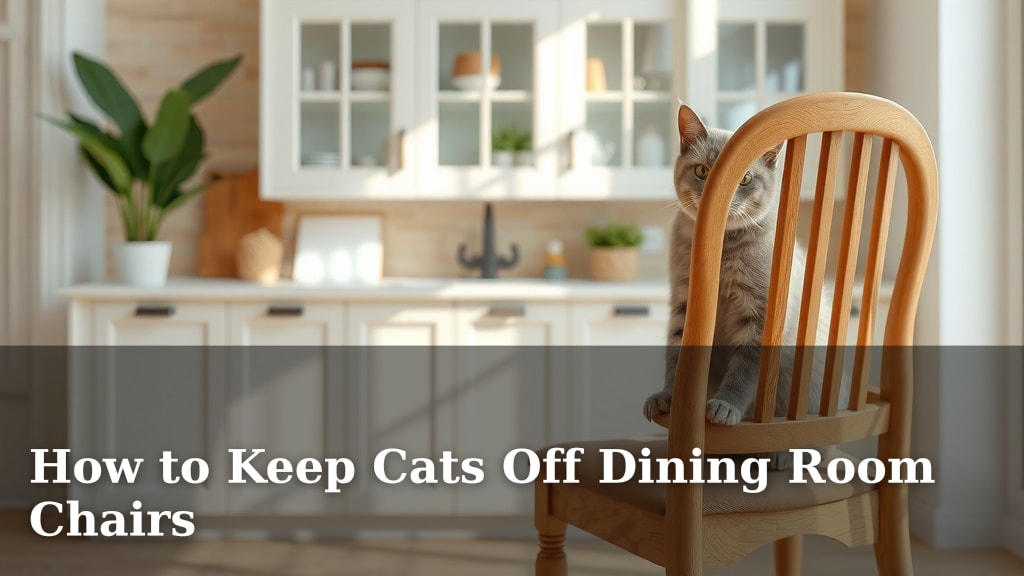
Keeping cats off dining room chairs is all about making them less appealing to your feline friends. You can achieve this by using motion-activated deterrents or by creating a less comfortable surface. The goal is to gently discourage them without causing distress.
Cats often seek out high places or soft surfaces for naps and observation. Dining chairs can fit both criteria, making them a tempting spot. By understanding their natural instincts, we can find effective and humane solutions to redirect their attention elsewhere. It’s about redirection, not punishment, to maintain a happy home for everyone.
- Use motion-activated air sprayers or sticky mats.
- Make chairs less comfortable with foil or plastic runners.
- Provide appealing alternatives like cat trees.
- Consistency is key to success.
- Never physically punish your cat.
Let’s walk through exactly how to make your dining chairs a no-fly zone for your curious kitties, ensuring mealtime peace for you.
“`htmlMaking Your Dining Chairs Less Appealing to Cats
You want your dining room chairs to be for people, not for your pets. It’s a common goal for cat owners. Cats are drawn to soft, elevated spots. Your dining chairs fit the bill perfectly. We found that making these spots less inviting is key. Let’s look at some humane ways to achieve this.
Creating Uncomfortable Surfaces
Cats love soft, plush surfaces. They dislike anything that feels strange or unstable under their paws. We can use this to our advantage. Think about materials cats generally avoid. This is a simple, non-confrontational approach.
Using Foil or Plastic Mats
One popular method is using aluminum foil. Cats often dislike the crinkly sound and smooth texture. Lay sheets of foil on the seats of your dining chairs. This can be quite effective, especially during mealtimes. Another option is using plastic placemats or carpet runners with the spiky side up. These won’t hurt your cat, but they are definitely not comfortable for lounging.
Sticky Paws or Double-Sided Tape
Many cat behaviorists recommend sticky surfaces. Cats generally dislike sticky textures on their paws. You can buy products specifically designed for this, often called “Sticky Paws.” These are usually double-sided tapes that you can place on the chair seats. If you don’t have a commercial product, you can also try applying regular double-sided tape to the chair seats. Just be sure it doesn’t damage your chair fabric. We found this to be a very effective deterrent for many cats.
Motion-Activated Deterrents
Some cats are persistent. If surface changes aren’t enough, you might consider motion-activated deterrents. These devices provide a sudden, harmless surprise that startles the cat. It’s an immediate signal that the chair isn’t a safe or welcoming spot.
Air Sprayers
Motion-activated air sprayers are a common recommendation. When the cat approaches the chair, the device detects movement. It then emits a short burst of compressed air. Most cats are startled by this sound and sensation. They quickly learn to associate the chairs with this unpleasant, though harmless, experience. Many veterinary behaviorists suggest these as a good, humane option (American Society for the Prevention of Cruelty to Animals).
Ultrasonic Devices
Another option is ultrasonic devices. These emit a high-frequency sound that is undetectable to humans but bothersome to cats. When your cat gets close to the chair, the device activates. Similar to the air sprayer, this startles the cat and discourages them from jumping up. Research indicates that these can be effective for many pets.
Providing Appealing Alternatives
It’s not enough to just make the chairs less attractive. You also need to give your cat something better to choose instead. Cats need places to climb, perch, and relax. If your dining chairs are the best option, they’ll keep trying. We found that providing excellent alternatives is just as important as deterring them from the wrong spots.
Vertical Space is Key
Cats love to be up high. It makes them feel safe and gives them a good vantage point. This is why they often choose your dining chairs. You can redirect this instinct by providing plenty of vertical space.
Cat Trees and Condos
A tall cat tree is an excellent investment. Look for one with multiple levels, perches, and hiding spots. Place it near a window where your cat can watch the world go by. This can become their favorite spot, far more appealing than your chairs. Many experts agree that vertical space is essential for a cat’s well-being (Cornell Feline Health Center).
Wall Shelves and Perches
If a large cat tree isn’t feasible, consider wall-mounted shelves or perches. These can be arranged to create a “cat highway” around the room. This gives your cat climbing opportunities without taking up floor space. These also provide elevated resting spots that can compete with your dining chairs.
Comfortable Lounging Spots
Beyond vertical space, cats also seek comfort. They want soft beds and cozy napping zones. Make sure you have several appealing options available for them.
Cat Beds and Mats
Offer a variety of comfortable cat beds and mats. Place them in quiet areas of your home. Some cats prefer enclosed beds, while others like an open, plush mat. Experiment to see what your cat likes best. If these spots are truly comfortable and in desirable locations, your cat will prefer them.
Window Perches
A window perch can be a huge hit. Cats love to watch birds, squirrels, and people. A comfortable perch in a sunny window can be incredibly enticing. This gives them a safe, comfortable place to observe their surroundings.
Consistency and Training
No matter which methods you choose, consistency is your best friend. Cats learn through repetition. Sporadic enforcement will only confuse them. We found that a consistent approach yields the best long-term results.
Immediate Correction
When you see your cat on the dining chair, address it immediately. A gentle “no” or a clap of your hands can be enough. If you’re using deterrents, allow them to work. The goal is for the cat to learn that the chairs are not for them.
Positive Reinforcement
When your cat uses their own designated spots, offer praise. Give them a treat or some gentle petting. This reinforces the desired behavior. They will learn that using their cat tree or bed leads to good things. This positive reinforcement is key to building good habits.
Never Punish Physically
It’s vital to remember that you should never physically punish your cat. Hitting, shaking, or yelling at your cat can make them fearful. It can damage your bond and lead to behavioral problems. Experts strongly advise against any form of physical punishment (The Humane Society of the United States). Instead, focus on redirection and making the undesirable areas unpleasant.
A Quick Checklist for Success
- Set up appealing alternatives like cat trees.
- Make chairs uncomfortable with foil or sticky tape.
- Use motion-activated deterrents if needed.
- Be consistent with your deterrents and praise.
- Redirect your cat to their own approved spots.
- Offer rewards when they use their own beds or perches.
Conclusion
You’ve learned how to make your dining chairs less appealing to cats and provide them with better alternatives. Remember, the goal is gentle redirection, not punishment. By using uncomfortable surfaces, motion-activated deterrents, and offering enticing cat trees or beds, you can successfully guide your cat away from the dining table. Consistency in your approach and positive reinforcement when they choose their own spots are key to long-term success. Start by implementing one or two of these strategies today to bring harmony back to your mealtimes!
Frequently Asked Questions
How long does it take for a cat to stop jumping on chairs?
It varies by cat, but consistency is your best tool. Most cats will start to avoid the chairs after a few days to a couple of weeks of encountering deterrents or finding more appealing alternatives. Patience and repetition are crucial for your cat to form new habits.
Can I use essential oils to keep cats off chairs?
It’s generally not recommended to use essential oils around cats. Many oils are toxic to felines and can cause serious health issues. Stick to the safe, humane methods discussed, like physical deterrents and providing attractive alternatives.
What if my cat ignores the sticky tape on the chairs?
If your cat continues to ignore sticky tape, try a different method. Some cats are less bothered by it. Motion-activated air sprayers or covering the chairs with aluminum foil might be more effective. Combining different deterrents can also work.
Is it okay to spray my cat with water if they jump on the chairs?
While water spray is a common deterrent, it’s not ideal. Many experts find it can make cats fearful of you rather than the chair. It can damage your bond. Humane deterrents like air sprayers or uncomfortable surfaces are usually more effective and build trust.
Can I cover my dining chairs with something permanently uncomfortable?
For a more permanent solution, you could consider slipcovers made from materials cats dislike, like tightly woven vinyl or microfiber. However, research suggests that offering appealing alternatives is often more successful. Ensure your cat has plenty of other comfortable spots available.
![7 Best Affordable Dining Chairs [2026]](https://seatvit.com/wp-content/uploads/2026/06/7-best-affordable-dining-chairs-2026-featured-768x432.jpg)