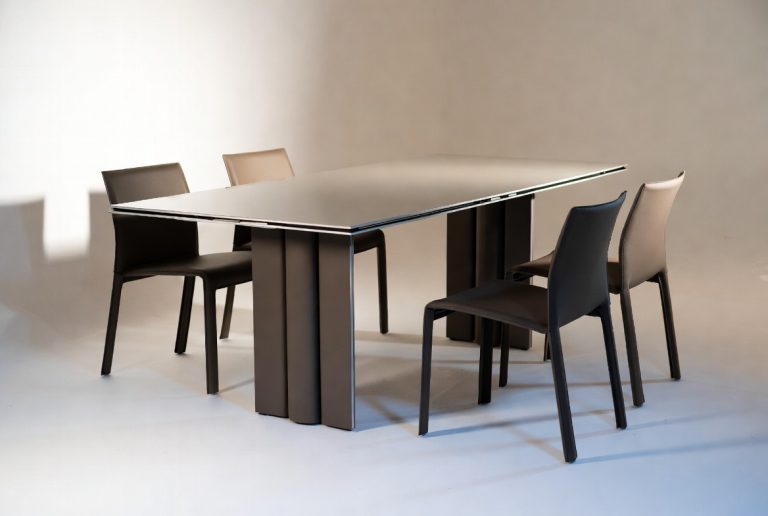
How to Make Cushions for Dining Room Chairs
You can absolutely make your own comfortable dining chair cushions! It’s a fantastic way to customize your space and save money. With a few basic supplies and a little time, you’ll have custom cushions that perfectly match your style and add a cozy touch to your dining room.
Creating your own cushions means you get to choose the exact fabric, thickness, and even the shape. This is perfect for updating old chairs or adding a touch of personal flair to standard ones. Many DIYers find this project surprisingly rewarding and cost-effective.
- Choose comfortable, durable fabric.
- Measure your chair seats accurately.
- Select the right type of filling.
- Consider adding ties for a secure fit.
- Sewing can be done by hand or machine.
Ready to get started? Let’s walk through exactly how to make beautiful, custom cushions for your dining room chairs, step by step.
Crafting Your Own Dining Chair Cushions
Making your own dining chair cushions is a fantastic project. You can add comfort and style to your dining space. It’s a rewarding DIY that lets you personalize your home. Let’s get started on this fun crafting adventure!
Gathering Your Cushion-Making Supplies
Choosing the Perfect Fabric
The fabric you pick sets the tone for your cushions. Think about both look and durability. For high-traffic areas like dining rooms, consider fabrics that are easy to clean. Cotton, linen blends, and performance fabrics are excellent choices.
Many crafters recommend pre-washing your fabric. This prevents shrinking after you’ve sewn your beautiful cushions. It’s a small step that makes a big difference. You can find great fabrics at local craft stores or online retailers.
Selecting Your Cushion Filling
What goes inside your cushion is key to comfort. You have several options, each with its own feel. Foam is a popular choice for its support and longevity.
You can buy foam by the yard or in specific sizes. Consider the thickness you desire. A 2-inch or 3-inch thick cushion often provides the right amount of padding. Polyester fiberfill is another option, offering a softer, fluffier feel.
Some people combine materials for the best of both worlds. A layer of foam topped with fiberfill can create a wonderfully plush cushion. When cutting foam, a serrated knife or an electric carving knife works best.
Essential Tools and Notions
Beyond fabric and filling, you’ll need a few other items. Sharp scissors are a must for clean fabric cuts. You’ll also need a measuring tape and a ruler.
For sewing, you can use a sewing machine or hand-stitch. If machine sewing, have a good quality needle and thread that matches your fabric. Pins are essential for holding fabric pieces together. A seam ripper is a handy tool if you make any mistakes.
Don’t forget thread! Choose a strong polyester thread. It holds up well to frequent use. Make sure you have plenty of it.
Measuring and Cutting Your Fabric and Filling
Accurate Measurements are Key
Before you cut anything, measure your chair seat carefully. You need to know the length, width, and how much overhang you want for the cushion.
Measure the seat at its widest points. Then, add the desired overhang. A 1-inch to 2-inch overhang often looks nice and provides good coverage. This measurement is for one side of the cushion.
Cutting the Cushion Shape
Add the desired cushion height to your measurements. This accounts for the thickness of your filling. For a square cushion, you’ll cut two identical pieces. For a round cushion, trace a large plate or bowl.
Cut your fabric pieces slightly larger than the final cushion size. This gives you room for the seam allowance. A 1/2-inch to 3/4-inch seam allowance is common. Many experts recommend adding this extra fabric for a neat finish (Sewing World).
Preparing the Filling
If you’re using foam, cut it to the exact dimensions of your chair seat. Make sure it’s a snug fit. If using fiberfill, you might want to overstuff it slightly. This allows the cushion to settle without becoming flat.
| Use Case | Ideal Thickness | Comfort Level |
|---|---|---|
| Everyday Dining | 2-3 inches | Good support, comfortable |
| Occasional Use | 1.5-2 inches | Slightly firmer, stylish |
| Extra Plush | 4 inches+ | Very soft, luxurious feel |
Sewing Your Custom Dining Chair Cushions
Attaching Ties (Optional but Recommended)
Cushions can slip and slide. Adding ties is a smart way to keep them in place. Cut strips of fabric about 8 inches long and 2 inches wide.
Fold these strips in half lengthwise, then fold the raw edges inward. Stitch along the open edge to create a neat tie. You’ll need four ties per cushion. Position them evenly on the sides of the cushion.
Sewing the Cushion Panels Together
Place your two fabric pieces right sides together. Pin them securely around the edges. If you’re using ties, insert them between the fabric layers at the sides. Make sure they are pointing inward.
Start sewing at one side, leaving an opening for turning. Leave about a 4-6 inch gap on one side. This is where you’ll turn the cushion right side out. Sew using your chosen seam allowance. Backstitch at the beginning and end for strength.
Turning and Stuffing Your Cushion
Once sewn, carefully trim the corners. This helps create sharper corners when you turn it. Then, turn the cushion right side out through the opening. Poke out the corners gently.
Now it’s time to add your filling. Stuff the fiberfill evenly. If using foam, slide it inside the fabric cover. Make sure it fills the cover without being too tight or too loose.
Closing the Opening
Once your cushion is stuffed to your liking, carefully fold the raw edges of the opening inward. Pin it closed. Then, hand-stitch the opening shut using a hidden stitch, like a ladder stitch. This gives a clean, professional look. Many sewing guides recommend this stitch for invisible closures.
Caring for Your New Cushions
To keep your new cushions looking fresh, regular care is important. Vacuum them weekly to remove dust and debris. For spills, blot them immediately with a clean cloth.
Check the care instructions for your specific fabric. Some fabrics can be spot-cleaned with mild soap and water. Others might require professional cleaning. Taking good care of them will ensure they last for years.
Quick Cushion Care Checklist:
- Vacuum weekly.
- Blot spills immediately.
- Spot clean as needed.
- Check fabric care tags.
- Rotate cushions periodically.
- Air out cushions monthly.
Conclusion
You’ve learned how to transform your dining area with custom-made chair cushions. It’s a rewarding project that allows for endless personalization. You can select fabrics and fillings that perfectly match your style and comfort needs. By following these steps, you’ve gained the skills to create beautiful, functional cushions.
Ready to add that final touch? Your next step is to gather your supplies and start cutting! You’ll love the difference your handmade cushions make in your dining room.
Frequently Asked Questions
What’s the best fabric for dining chair cushions?
For durability and ease of cleaning, consider cotton blends, linen blends, or performance fabrics. These materials hold up well to frequent use and are often easier to spot clean. Always pre-wash your fabric to prevent shrinkage after sewing.
How thick should my dining chair cushions be?
For everyday dining, a thickness of 2 to 3 inches provides a good balance of comfort and support. If you prefer a softer feel, you can go up to 4 inches or more, but ensure it doesn’t make the chairs too high.
Can I make cushions without a sewing machine?
Yes, absolutely! You can hand-stitch your cushions using a sturdy needle and strong thread. Focus on making small, even stitches, and consider reinforcing the seams for extra durability. A hidden ladder stitch is perfect for closing the opening cleanly.
How do I keep my DIY cushions from slipping?
Adding fabric ties to the back or sides of your cushions is the most effective way to keep them in place. Make sure the ties are securely attached to the cushion cover and long enough to tie around your chair legs.
What’s the easiest way to cut foam for cushions?
A sharp serrated knife or an electric carving knife works best for cutting foam cleanly. Measure your seat accurately and mark the foam before cutting. Ensure a snug fit within your fabric cover for the best look and feel.
![7 Best Affordable Dining Chairs [2026]](https://seatvit.com/wp-content/uploads/2026/06/7-best-affordable-dining-chairs-2026-featured-768x432.jpg)