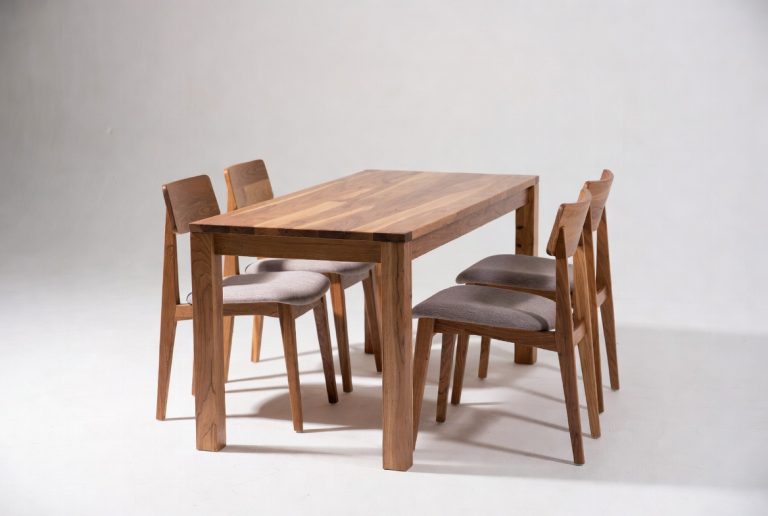

How to Redo Dining Room Chairs: Step-by-Step
Yes, you can absolutely redo your dining room chairs yourself! It’s a fantastic way to save money and update your space with a custom look. You’ll be amazed at how a fresh coat of paint or new upholstery can completely transform tired chairs into stylish focal points.
Many homeowners find that reupholstering dining chairs is more manageable than they think. The process involves simple steps like removing old fabric, padding if needed, and attaching new material. We found that with basic tools and a little patience, you can achieve professional-looking results right at home.
- Gather your supplies before you start.
- Remove the old fabric and any damaged padding.
- Prepare the chair frame and add new cushioning.
- Cut and staple your new upholstery fabric.
- Reattach the seat and any other upholstered parts.
Ready to give your dining chairs a much-needed makeover? Let’s walk through exactly how to tackle this project step by step.
“`htmlTransforming Your Dining Chairs: A DIY Guide
Ready to give your dining chairs a new lease on life? Redoing them yourself is a rewarding project. It can save you a lot of money compared to buying new. Plus, you get exactly the look you want. We found that with a few basic tools and some clear steps, you can achieve professional results. Let’s get started!
Gathering Your Supplies for Success
Before you dive in, gathering all your materials is key. Having everything on hand prevents frustrating interruptions. Think of it like a chef preparing their mise en place. You’ll need fabric, staple gun, staples, scissors, and perhaps some new foam or batting.
Choosing Your Fabric Wisely
The fabric you choose will make a big impact. Consider durability, as dining chairs get a lot of use. A sturdy cotton blend or a performance fabric can stand up well. Think about the room’s style and your personal taste, too. Would a bold pattern or a subtle texture work best?
Essential Tools You’ll Need
Make sure you have the right tools. A heavy-duty staple gun is a must for securely attaching fabric. You’ll also need scissors sharp enough to cut fabric cleanly. A screwdriver or wrench might be necessary to remove chair legs or seat bases. Don’t forget a measuring tape.
Taking Apart Your Dining Chairs
The first step is to carefully disassemble the chair. Usually, the upholstered seat is attached to the chair frame. You might need to remove screws or bolts from underneath.
Removing the Old Upholstery
Once the seat is free, you can start removing the old fabric. Use a screwdriver or a putty knife to lift the staples. Work your way around the edges, peeling back the old material. Take note of how the fabric was folded and attached. This will be your guide for the new fabric.
Assessing the Padding
Inspect the padding underneath the fabric. Is it flattened, torn, or crumbly? If it’s in good condition, you can reuse it. If not, it’s the perfect time to replace it. New foam or batting will make your chairs feel much more comfortable.
Adding New Cushioning (If Needed)
If you’re adding new padding, cut it to fit the seat. You can use foam, polyester batting, or a combination. Many sources suggest a ¼-inch thick foam for a firm seat, or a ½-inch for a bit more softness (DIY Network). Secure it with a few staples around the edges before adding the new fabric.

Attaching Your New Upholstery Fabric
This is where your chairs start to get their fresh look! It takes a bit of careful stretching and stapling to get a smooth finish.
Cutting the New Fabric
Lay your old fabric or the seat base onto your new fabric. Add about 4-6 inches of extra fabric all around. This extra material allows you to pull it taut and secure it underneath. Cut the fabric carefully with sharp scissors.
Stapling for a Tight Fit
Center your seat on the new fabric. Start by placing a staple in the middle of one side. Then, pull the fabric taut across to the opposite side and place a staple there. Continue this process, working from the center outwards. This method ensures even tension. You’ll want to fold the corners neatly. Many guides recommend creating a small, fitted pleat or fold at each corner, similar to wrapping a gift.
Troubleshooting Common Upholstery Issues
Are you getting wrinkles? Try pulling the fabric a bit tighter. Are there gaps? You might need to reposition the fabric and add more staples. Don’t be afraid to remove staples and re-staple if it’s not looking quite right. Patience is key here. You’re aiming for a smooth, drum-tight finish.
Reassembling Your Refreshed Chairs
The final step is putting everything back together. Reattach the newly upholstered seat to the chair frame. Make sure all screws or bolts are tightened securely. If you removed legs or other parts, reassemble them now.
A Quick Checklist for Your Project
- Gather all your tools and materials first.
- Remove old fabric and inspect the padding.
- Cut new fabric with plenty of extra room.
- Start stapling from the center of each side.
- Fold corners neatly and staple securely.
- Reassemble the seat and chair frame.
Stand back and admire your work! You’ve just transformed your dining chairs with your own hands. It’s a fantastic feeling to see the dramatic change you’ve made.
“`Conclusion
You’ve done it! Redoing your dining room chairs is a manageable project that brings big rewards. You’ve learned how to gather your supplies, take apart old chairs, and expertly attach new fabric for a fresh, custom look. Don’t underestimate your ability to achieve professional results at home. Take a moment to admire the transformation. Your next step is to tackle that next chair and complete the set!
Frequently Asked Questions
What kind of fabric is best for dining chair seats?
For dining chairs, look for durable fabrics that can withstand frequent use. A sturdy cotton blend or a performance fabric is a great choice. Consider the fabric’s cleanability too; a fabric that can be easily wiped down is a lifesaver for busy households.
How much extra fabric do I need for each chair seat?
You’ll want to cut your new fabric with about 4 to 6 inches of extra material all around the seat base. This generous amount ensures you have enough to pull the fabric taut and secure it firmly underneath without it coming loose.
What should I do if the original padding is in good shape?
If your chair’s existing padding is still firm and free of damage, you can absolutely reuse it. Simply clean it if necessary and proceed with adding your new fabric over it. This can save you time and the cost of new materials.
How do I get a smooth, wrinkle-free finish on my upholstery?
Achieving a smooth finish comes down to even tension. Start stapling from the center of each side and work outwards, pulling the fabric taut as you go. Don’t be afraid to remove and re-staple if you notice wrinkles forming.
Can I reupholster chairs that have complex shapes or tufting?
While simpler chair seats are more beginner-friendly, more complex shapes and tufting are possible with practice. For intricate areas, you might need to make small relief cuts in the fabric or use piping to achieve a clean finish. Patience and careful measuring are key for these designs.