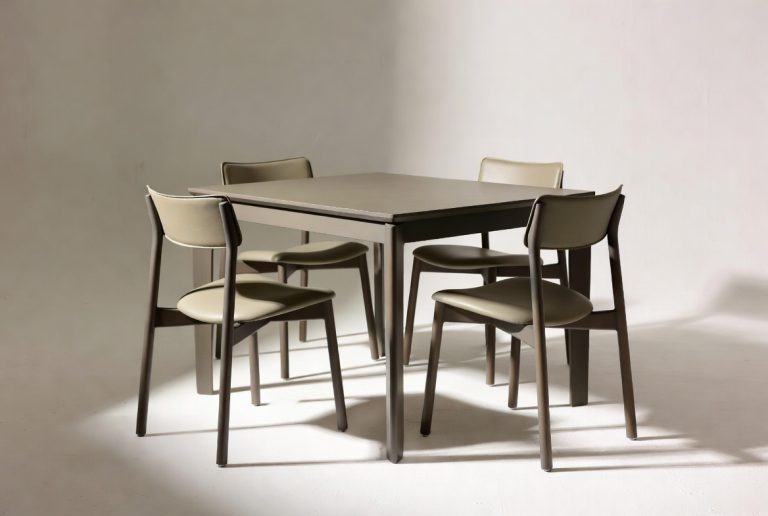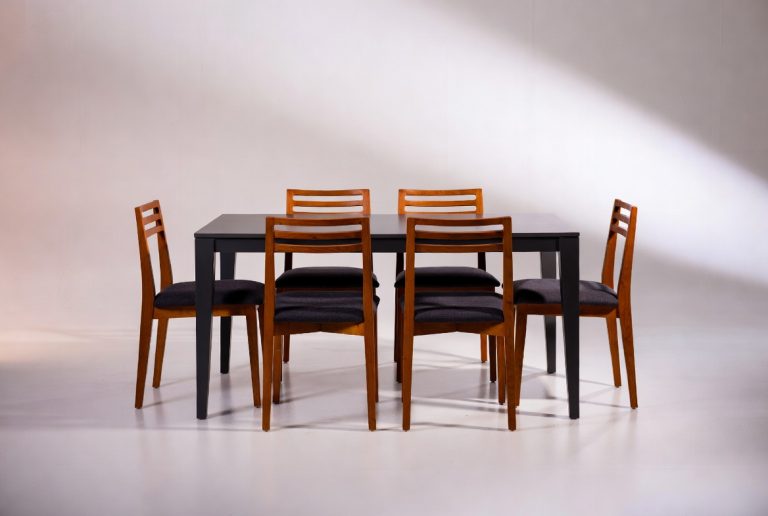
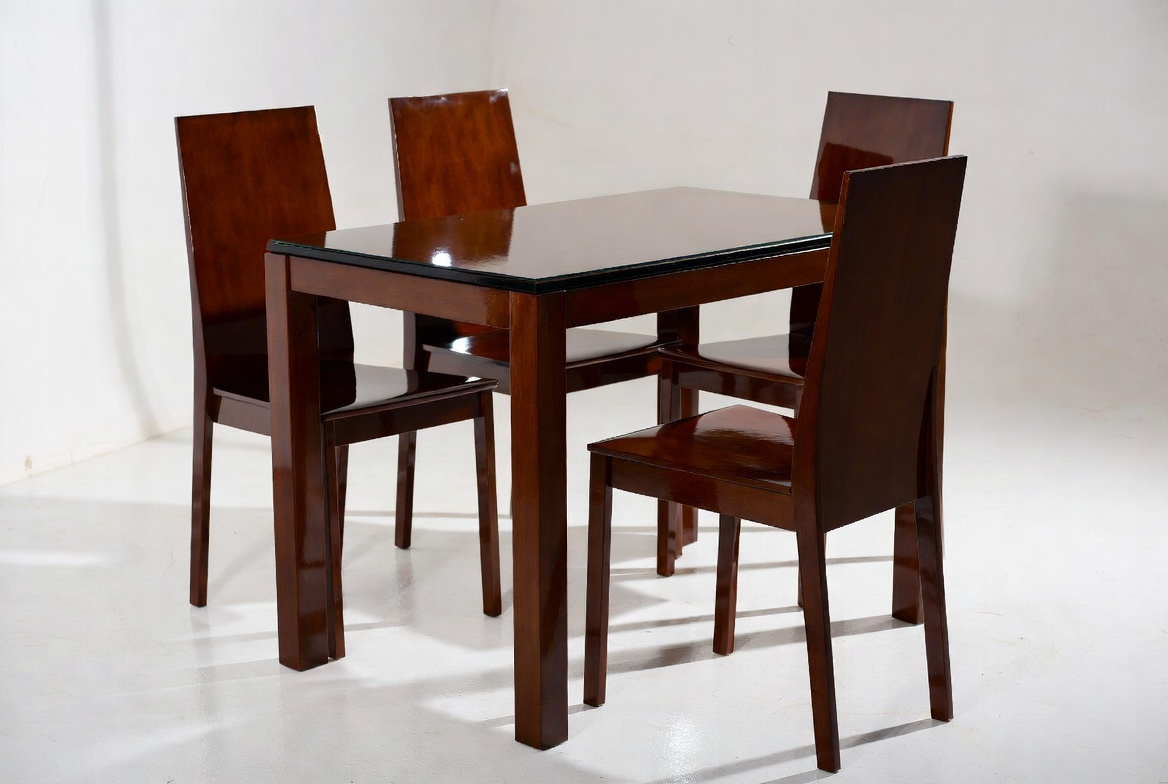
How to Choose the Most Comfortable Dining Chairs: A Complete Guide to Finding Your Perfect Seat
Let me be honest with you—there’s nothing worse than sitting down for a family dinner only to find yourself shifting uncomfortably in your chair every few minutes. You know that feeling, right? Your back aches, your legs feel cramped, and all you can think about is escaping to the couch. Well, I’ve been there too, and that’s exactly why I decided to dive deep into the world of dining chairs to help you avoid this common household frustration.
Choosing the right dining chair is like finding the perfect pair of shoes. It needs to fit just right, support you properly, and make you feel good throughout the day. The difference is that your dining chairs will be with you for years, supporting your body during countless meals, homework sessions, and family conversations. So it’s worth getting it right from the start.
Understanding Why Comfort Matters More Than You Think
Here’s something I learned the hard way: comfort in dining chairs directly affects how long you’ll actually want to sit at your dining table. When your chairs are uncomfortable, family members avoid gathering together, dinner conversations get cut short, and you miss out on those valuable moments. That’s a pretty big deal when you really think about it.
Comfortable dining chairs encourage people to linger at the table. They support better posture, reduce back pain, and make the dining experience more enjoyable overall. Plus, let’s face it—if your guests are comfortable, they’re more likely to stay longer and actually enjoy your company.
The Essential Elements of a Comfortable Dining Chair
Seat Depth and Width: Getting the Dimensions Right
The first thing you need to understand is that one size definitely doesn’t fit all. Seat depth refers to how far the seat extends from the backrest, and this matters tremendously for your comfort. Ideally, you want about 3 to 4 inches of space between the back of your knees and the front edge of the seat when you’re sitting down. Too shallow, and you’ll feel like you’re perching. Too deep, and your legs will dangle uncomfortably.
Width is equally important. Your hips should fit comfortably without feeling squeezed, but you shouldn’t have so much extra space that you feel lost in the chair. A good rule of thumb is to aim for 16 to 18 inches of seat width, though this varies depending on the chair style and your body type.
Backrest Support: The Unsung Hero of Dining Chair Comfort
I can’t stress this enough—the backrest is absolutely crucial. A well-designed backrest supports your spine’s natural curve, which is called lumbar support. When you lack proper lumbar support, you tend to slouch, which leads to back pain and poor posture over time.
Look for chairs where the backrest gently curves to support the small of your back. The height matters too. The backrest should reach at least to your mid-back, but preferably closer to your shoulder blades. This provides the support you need during longer meals without feeling restrictive.
Seat Height and Table Clearance: The Critical Measurements
Here’s a measurement that trips up a lot of people. The ideal height between your dining table surface and the seat of your chair should be about 10 to 12 inches. This gives you plenty of legroom and allows you to eat comfortably without banging your knees against the table.
To check this in a showroom or before purchasing online, sit in the chair and imagine yourself at a dining table. Your arms should rest comfortably on the table surface with your elbows at roughly a 90-degree angle. If you have to reach up or crane down, the height isn’t right for you.
Seat Padding: Finding the Sweet Spot Between Soft and Supportive
Now let’s talk about cushioning. This is where personal preference really comes into play. Some people love a soft, plush seat that feels like sitting on a cloud. Others prefer firmer support that holds them in place throughout the meal.
The best approach? Look for a middle ground. Excessive softness can actually work against you because your body sinks too far into the cushion, which compromises posture and support. A seat with about 3 to 4 inches of high-quality foam padding tends to offer the best combination of comfort and support for most people. The foam should be dense enough that it rebounds quickly when you stand up, not so soft that it creates body impressions.
Different Chair Styles and Their Comfort Characteristics
Upholstered Dining Chairs: Maximum Comfort and Style
Upholstered chairs are the comfort champions of the dining world. They feature cushioned seats and backs, often with armrests, creating a couch-like experience at your dining table. These chairs are fantastic if comfort is your top priority.
The downside? They require more maintenance. Spills can stain the fabric, and regular cleaning is necessary to keep them looking fresh. If you have kids or pets, you might want to consider performance fabrics or slipcovers for easy cleaning.
Wooden Dining Chairs: The Classic Trade-off
Wooden chairs are timeless and elegant, but let’s be real—a hard wooden seat isn’t inherently comfortable for extended sitting. However, you can absolutely increase their comfort by adding chair cushions with ties that secure to the frame.
What I appreciate about wooden chairs is their versatility. They work with virtually any décor style, they’re incredibly durable, and they’re usually easier to clean than upholstered options. Pair them with quality seat cushions, and you’ve got yourself a comfortable, practical solution.
Modern Molded Chairs: Comfort Meets Contemporary Design
Modern molded plastic or composite chairs have come a long way. Many of them feature ergonomic curves that actually provide decent support. They’re lightweight, affordable, and incredibly easy to clean.
The trade-off is that they often lack cushioning, so they’re not ideal for people who will spend hours sitting. They work great for casual dining or spaces where you want minimal maintenance, but for comfort during long family dinners, you might want to add cushioning.
Chairs with Armrests: Pros and Considerations
Armrests can add significant comfort by giving your arms a place to rest, reducing strain on your shoulders. However, they can also interfere with dining comfort because they don’t tuck under most tables.
If you love armrests, consider captain’s chairs or dining chairs with shorter armrests that can slide under the table. Just make sure you have enough table overhang to accommodate them when you’re actually seated.
Material Considerations for Long-Term Comfort
Fabric Options: Durability Meets Comfort
When choosing upholstered chairs, the fabric matters just as much as the padding underneath. Natural fabrics like linen and cotton feel wonderful but stain easily. Synthetic fabrics like polyester are more stain-resistant but might not feel as luxurious against your skin.
Performance fabrics are a game-changer for dining chairs. They’re specifically designed to resist stains and fading while still feeling soft and comfortable. They’re more expensive upfront, but they’ll save you countless hours of cleaning and worry down the road.
Leather and Faux Leather: The Practical Choice
Leather dining chairs offer a sophisticated look and are incredibly easy to wipe clean. Real leather develops character and patina over time, though it requires occasional conditioning. Faux leather provides similar easy maintenance at a lower price point.
One thing to keep in mind: leather and faux leather can feel cold to the touch in winter and sticky in summer. If you’re sensitive to these sensations, you might prefer upholstered options with fabric covers.
Testing and Evaluating Comfort Before You Buy
The In-Store Test: What You Actually Need to Do
When you’re shopping in person, don’t just sit for a few seconds. Actually spend at least two to three minutes in each chair you’re considering. Try the following test:
- Sit with your back fully against the backrest
- Place your feet flat on the floor and note if your knees bend at roughly a 90-degree angle
- Rest your arms as if you’re eating at a table
- Shift your weight and see how the chair responds
- Try leaning back slightly to test the backrest angle and support
Pay attention to how your lower back feels. Does it feel supported or unsupported? Does the chair encourage good posture or make you want to slouch? These are the most important questions to answer.
Online Shopping: Strategies for Choosing Sight-Unseen
Buying dining chairs online can be risky if you can’t test them first. Here’s how to minimize that risk:
- Read reviews specifically looking for comments about comfort and long-term use
- Check the return policy—aim for at least 30 days
- Look for detailed measurements and compare them to the guidelines I mentioned earlier
- Watch video reviews where people actually sit in the chairs
- Check if the manufacturer offers free samples or swatches for fabric options
I recommend starting with established retailers that have easy return policies. The extra cost is worth the peace of mind.
Size Considerations for Different Body Types
Petite Individuals: Choosing the Right Proportions
If you’re on the smaller side, you need chairs that don’t make you feel lost. Look for options with narrower seat widths—around 14 to 16 inches—and lower seat heights. The seat depth should be on the shallower end, around 16 to 18 inches total.
Youth dining chairs or chairs from dining sets marketed for smaller spaces often work well. Just make sure the backrest still provides adequate support.
Larger Individuals: Durability and Support
For larger body types, you need chairs specifically designed for comfort and durability. Look for:
- Wider seats, ideally 18 inches or more
- Deeper seats for better weight distribution
- Sturdy frames capable of supporting your weight long-term
- Higher quality foam padding that won’t compress quickly
- Reinforced base and legs
Don’t overlook weight capacity ratings. A quality dining chair should clearly state its maximum weight recommendation, and you want to stay well within that limit for long-term durability.
Budget-Friendly Ways to Maximize Comfort
Adding Cushions to Existing Chairs
If you already own dining chairs that aren’t quite comfortable, cushions can be your best friend. Seat cushions with ties add both comfort and personality to your dining space. Look for cushions with removable, washable covers for easy maintenance.
This approach is incredibly cost-effective. You can enhance the comfort of an existing set for a fraction of the cost of replacement chairs.
Mixing and Matching Chairs
Who says all your dining chairs have to match? Mixing styles and designs has become trendy, and it gives you the freedom to choose the most comfortable chair for you without worrying about uniformity. One person might get an upholstered chair with armrests while another chooses a wooden chair with a cushion.
This approach also makes upgrading easier. You can replace one chair at a time as budget allows, gradually creating a mixed set that’s both beautiful and comfortable.
Maintenance Tips for Long-Lasting Comfort
Regular Care and Cleaning
Properly maintained chairs stay comfortable longer. Vacuum upholstered chairs regularly to remove dust and crumbs. For spills, blot immediately rather than rubbing, which can work the stain deeper into the fabric.
Every few months, fluff and rotate removable cushions to ensure even wear. This simple step prevents one side from becoming compressed while the other remains plump and supportive.
Addressing Wear and Tear
As chairs age, the padding can compress. Instead of replacing the entire chair, consider having it professionally reupholstered. This is often significantly cheaper than buying new chairs and allows you to keep chairs you love while refreshing their comfort and appearance.
Making Your Final Decision
Creating Your Comfort Priority List
Before you make your final purchase, write down what matters most to you. Is it maximum comfort? Easy maintenance? Style? Budget? Knowing your priorities helps you make decisions that you’ll be happy with long-term.
Rate each potential option against your priorities. Sometimes the cheapest option isn’t the best if it means sacrificing comfort. Conversely, the most expensive chair might have features you don’t actually need.
Testing Your Choice at Home
If possible, purchase from retailers that offer in-home trials or extended return periods. Sitting in a chair for a full meal is different from sitting for 30 seconds in a showroom. You might discover comfort issues that didn’t show up during your initial test.
Use the full trial period before deciding to keep the chairs. Invite family over for dinner, actually use them daily, and notice how your body feels after extended sitting.
Conclusion
Choosing the most comfortable dining chairs isn’t just about aesthetics—it’s an investment in your daily comfort, your family’s gatherings, and your overall dining experience. The right chairs encourage people to linger at the table, making mealtimes more enjoyable and meaningful.
Remember the key elements: seat depth and width that suit your body, proper lumbar support from the backrest, appropriate height for your table, and quality padding that supports without being too soft. Consider your lifestyle, maintenance preferences, and budget, then test before you buy whenever possible.
Whether you choose upholstered chairs for maximum comfort, wooden chairs enhanced with cushions for style and practicality, or a mixed set that suits everyone’s preferences, the goal is the same: creating a dining space where you and your family actually want to sit down together. That’s worth getting right, and I hope this guide has helped you do exactly that.
Frequently Asked Questions
What’s the ideal seat height for dining chairs?
The ideal seat height depends on your table height, but generally, you want 10 to 12 inches of space between the dining table surface and the chair seat. This creates comfortable legroom and allows your arms to rest naturally on the table when eating. Standard dining tables are 30 inches high, which works well with chairs that have a 17 to 19-inch seat height. Always measure both your table and chairs together to ensure they work as a pair.
How much padding do dining chairs actually need for comfort?
Most comfortable dining chairs feature 3 to 4 inches of high-quality foam padding. This amount provides enough cushioning to feel comfortable during meals without being so soft that you sink excessively into the seat, which can compromise posture and support. Higher-density foam is better than thicker, low-density foam because it bounces back quickly and holds its shape longer. Feel the padding in person if possible—it should feel supportive, not mushy.
Can I use bedroom or lounge chairs for dining?
While tempting, bedroom or lounge chairs aren’t ideal for dining. They’re typically much deeper and softer than dining chairs need to be, and they often have different height proportions. Lounge chairs encourage reclining posture, which isn’t appropriate at a dining table. Stick with chairs specifically designed for


![7 Best Black Dining Chairs [2026]](https://seatvit.com/wp-content/uploads/2026/06/7-best-black-dining-chairs-2026-featured-768x432.jpg)