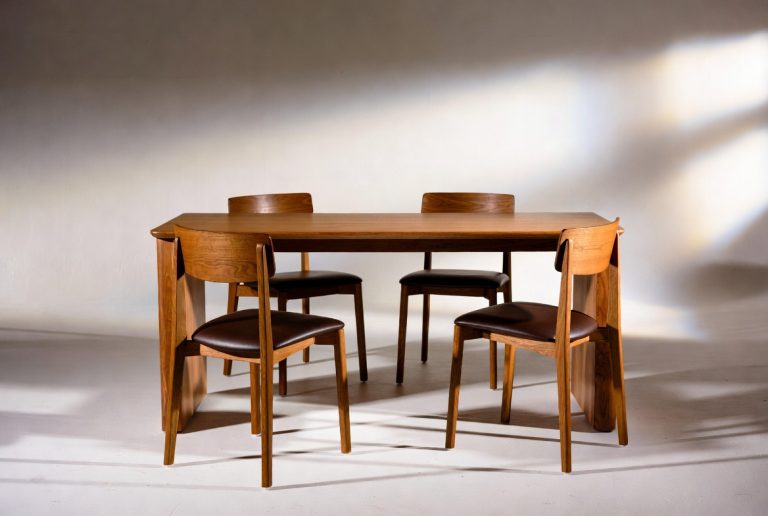
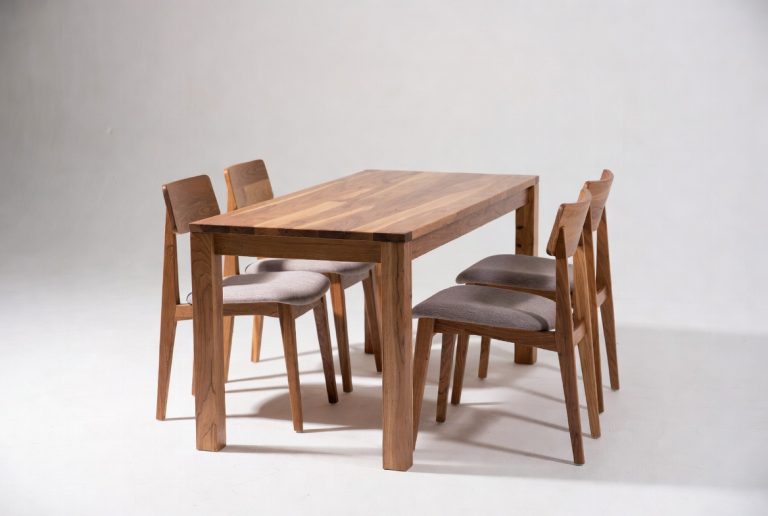
How to Clean Wooden Dining Chairs: Easy Guide
The easiest way to clean your wooden dining chairs is by using a damp cloth with a mild soap solution. This gentle method effectively removes everyday grime and spills without damaging the wood’s finish. You can also use specialized wood cleaners for tougher spots. We found that keeping your chairs clean makes your whole dining space feel brighter.
Wooden dining chairs can easily accumulate crumbs and sticky spots. Regular cleaning prevents buildup that can dull their shine. Protecting your furniture ensures it stays beautiful for years. Many experts agree that consistent care is key to preserving wood’s natural luster and durability.
- Wipe down with a damp cloth and mild soap.
- Use wood-specific cleaners for tough stains.
- Dry thoroughly after cleaning.
- Address spills immediately to prevent damage.
Let’s walk through exactly how to get your wooden dining chairs looking their best, step by step.
Keeping Your Wooden Dining Chairs Sparkling Clean
You’ve got lovely wooden dining chairs. They add so much warmth to your home. But let’s be honest, they can get a bit grubby. Crumbs, spills, maybe even a mystery sticky spot can appear. You want to keep them looking their best. We’ve put together a simple guide to make cleaning them easy.
Gather Your Cleaning Supplies
Before you start, it’s good to have everything ready. This makes the process smooth. You won’t be searching for things mid-clean. For most daily messes, you’ll need a few basic items. You probably have most of them already.
- Soft microfiber cloths (at least two)
- A mild dish soap or a gentle all-purpose cleaner
- A bucket or bowl for your cleaning solution
- Water
- A dry cloth for buffing
- Optional: Wood polish or furniture wax
Step-by-Step Cleaning Process
Let’s get those chairs looking fabulous. We’ll start with the basics and move on to tougher spots. Remember, gentleness is key with wood.
The Daily Wipe-Down
For everyday dust and light grime, a simple wipe-down works wonders. This is your first line of defense. It prevents buildup from becoming a problem later.
Dampen one of your soft cloths with plain water. Wring it out really well. You want it damp, not dripping wet. Wipe down the entire chair surface. Get into the nooks and crannies. This light moisture will pick up most dust and surface dirt.
Tackling Everyday Grime with Soap
Sometimes water isn’t enough. For slightly stickier messes, a mild soap solution is your friend. We found this method works well for general cleaning.
Mix a tiny amount of mild dish soap with warm water in your bucket. Again, just a drop or two is usually enough. Dip a clean cloth into the solution. Squeeze out the excess liquid thoroughly. You don’t want any dripping. Gently wipe down the chair. Focus on areas that look a bit dull or have slight marks.
After using the soap solution, grab a separate cloth dampened with plain water. Wipe the chair again to rinse away any soap residue. This is important. Soap left behind can attract more dirt.
Drying and Buffing for a Shine
This step is non-negotiable. You must dry your wooden chairs completely. Water left sitting on wood can cause damage over time. Many wood care guides stress this point.
Use a clean, dry microfiber cloth. Gently buff the entire chair. This removes any remaining moisture. It also helps bring out the natural sheen of the wood. Think of it as giving your chairs a little polish. A good buffing makes a big difference.
Dealing with Tougher Stains and Spills
Accidents happen, right? A dropped piece of food or a spilled drink can feel like a disaster. But don’t worry, you can often fix these. The key is to act fast.
Immediate Spill Response
If you notice a spill, grab a cloth immediately. Blot up as much of the liquid as you can. Don’t rub it in. Blotting helps lift the spill. Then, follow the damp cloth or mild soap method to clean the area.
Stubborn Spots and Grimy Buildup
For dried-on food or really stubborn marks, you might need a little more help. Research suggests using a cleaner specifically designed for wood.
You can buy commercial wood cleaners. Follow the product’s instructions carefully. Always test the cleaner in an inconspicuous spot first. This ensures it won’t discolor your chairs.
Another option is a slightly stronger soap solution. Use the same mild dish soap and warm water mix. You might need to gently scrub the spot with your cloth. For very tough spots, you could try a soft-bristled brush. Be gentle! You don’t want to scratch the finish. After cleaning the spot, always rinse and dry thoroughly.
When to Use Wood Polish or Wax
Once your chairs are clean and dry, you might want to add a little extra protection and shine. Wood polish or furniture wax can do just that.
We found that applying a wood polish every few months can help maintain the finish. It also adds a lovely protective layer. Apply a small amount to a clean cloth. Rub it into the wood in the direction of the grain. Then, buff with another clean, dry cloth until it shines. Always check the product instructions. Some polishes require a buffing step, others don’t.
A Quick Checklist for Sparkling Chairs
Want to keep your routine simple? Here’s a quick checklist to follow:
- Wipe chairs after every meal to catch crumbs.
- Use a damp cloth with mild soap for general cleaning.
- Always rinse with a damp, clean cloth.
- Dry thoroughly with a soft, dry cloth.
- Address spills immediately to prevent stains.
- Consider polishing every few months for extra protection.
What to Avoid for Healthy Wood Chairs
Just as important as what you *should* do is what you should *not* do. Protecting your chairs means steering clear of harsh chemicals.
Avoid abrasive cleaners. Things like scouring pads or powdered cleansers can scratch the finish. Never use ammonia-based cleaners or bleach. These can strip the wood’s finish and cause discoloration. Also, don’t soak the wood. Excessive water is the enemy of fine furniture. Always remember to wring out your cloths well.
Understanding Different Wood Finishes
Does your chair have a matte finish or a high gloss? The finish can sometimes affect cleaning. For most common finishes, the methods we’ve discussed are safe. However, if you have a very delicate or antique finish, it’s always best to consult a professional. They can advise on the best cleaning approach for that specific type of wood and finish. Many furniture manufacturers offer care guides for their specific products.
Making Cleaning a Habit
Regular, gentle cleaning is the best way to keep your wooden dining chairs looking beautiful. It’s much easier to maintain them than to tackle a big cleaning job later. Think of it as a small act of love for your furniture. You’ll be rewarded with chairs that are always ready for guests and add a wonderful touch to your dining space.

Conclusion
Keeping your wooden dining chairs looking pristine doesn’t have to be a chore. By following these simple steps, you can easily maintain their beauty and extend their lifespan. Remember, regular dusting with a damp cloth and addressing spills immediately are your best defenses against grime. For deeper cleaning, a mild soap solution or a specialized wood cleaner will do the trick. Don’t forget to always dry thoroughly to protect the wood.
The next time you notice a crumb or a smudge, take a moment to wipe it down. Make these small habits part of your routine, and your dining chairs will always be ready to welcome your guests with a warm, polished glow. Your furniture will thank you for it!
Frequently Asked Questions
How often should I clean my wooden dining chairs?
For daily upkeep, a quick wipe-down with a dry or slightly damp cloth after meals is ideal for catching crumbs and light dust. A more thorough cleaning using a mild soap solution can be done weekly or bi-weekly, depending on how heavily they are used. Addressing spills immediately is always recommended.
Can I use furniture polish on all wood finishes?
Most standard wood finishes can benefit from furniture polish. However, if your chairs have a matte, oiled, or antique finish, it’s wise to test the polish in an inconspicuous area first or consult the furniture manufacturer’s care guide. Some finishes might react differently to polishes.
What’s the difference between wood polish and wood wax?
Wood polish typically cleans and conditions the wood, often leaving a subtle shine, while wood wax provides a more durable protective layer and a deeper luster. For routine care, a polish is often sufficient. Wax can be applied periodically for extra protection, especially on high-traffic chairs.
My chairs have some minor scratches. Can I fix them?
For very minor surface scratches, sometimes buffing with a clean cloth or using a wood repair crayon or marker that matches your chair’s color can help camouflage them. Deeper scratches might require professional refinishing. Always test any repair product on a hidden area first.
Is it okay to use a vacuum cleaner to clean my wooden chairs?
You can use a vacuum cleaner with a soft brush attachment to remove loose debris and crumbs from crevices and joints. Be very gentle to avoid scratching the wood finish. Afterward, a manual wipe-down with a cloth is still necessary for actual cleaning.