High Back vs Mid Back Chair: Which Is Right for You
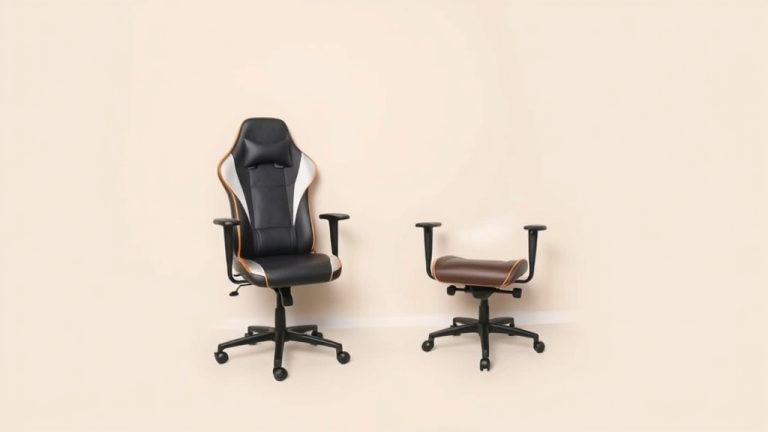
Choosing between a high back chair and a mid-back chair really depends on your priorities for comfort and support. A high back chair typically offers more neck and head support, making it a better choice for extended sitting periods or for individuals with back or neck pain. A mid-back chair provides good lower back support but less upper body coverage.
The main difference lies in the height of the backrest and the level of spinal support they offer. While both can be ergonomic, a high back is often seen in executive or gaming chairs for that fuller feel. Mid-back chairs are common in standard office settings where mobility and less intense sitting are the norm.
- High back chairs provide superior neck and head support.
- Mid-back chairs offer solid lower back support.
- The choice impacts overall comfort during long sitting periods.
- Consider your specific support needs.
Let’s break down exactly what each type offers so you can find the perfect fit for your workspace.
Alright, let’s get down to the nitty-gritty of choosing your perfect chair. You’ve got two main players in the office chair arena: the high back and the mid-back. Understanding their differences will help you make a decision that keeps your back happy and your workday productive. We’re going to break down what makes each one tick.
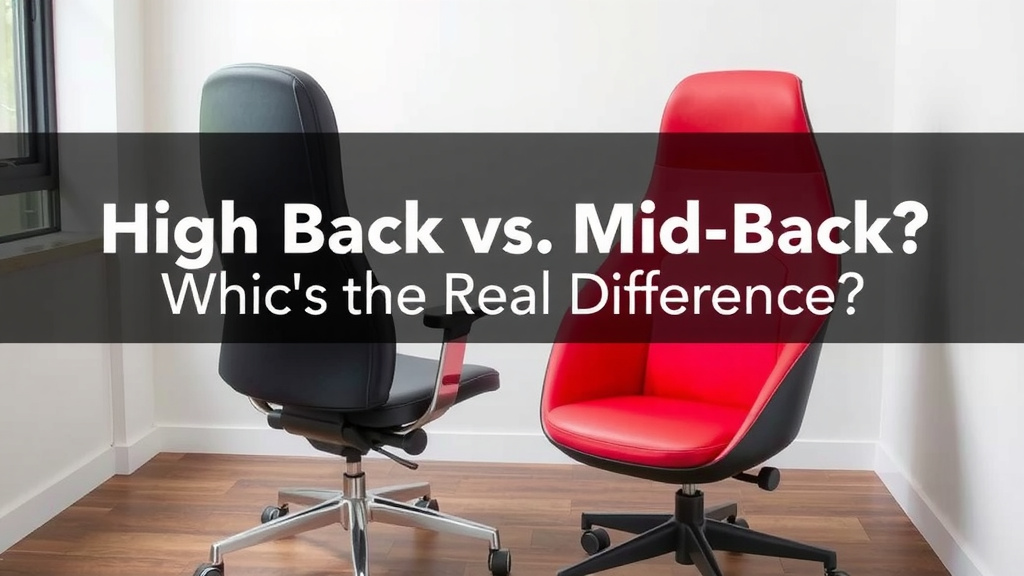
High Back vs. Mid-Back: What’s the Real Difference?
The most obvious distinction is the height of the chair’s backrest. It’s more than just looks, though. This height difference directly impacts how much of your spine and upper body is supported.
The High Back Chair: Your Full-Body Support System
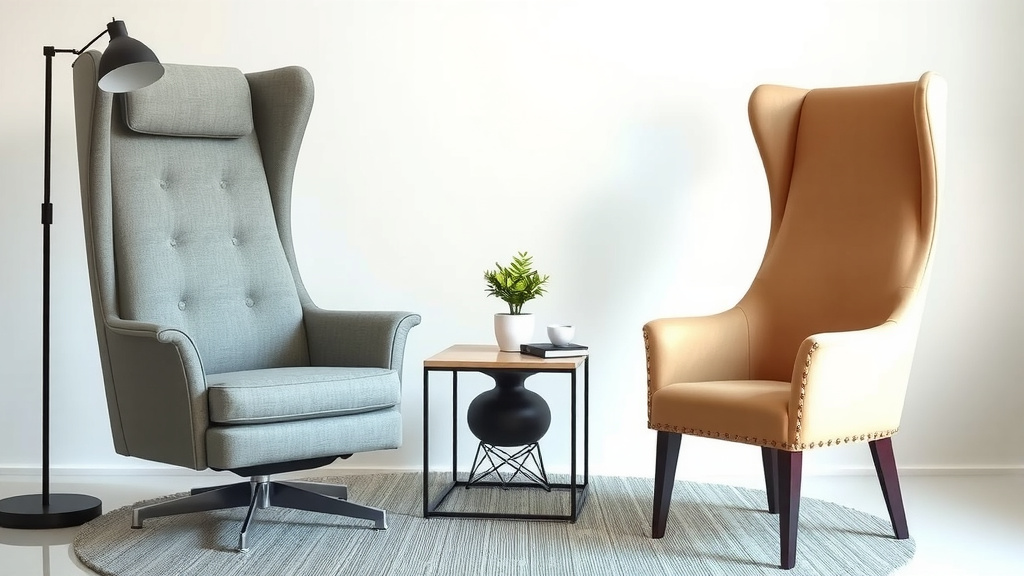
Think of a high back chair as a personal bodyguard for your entire back. These chairs extend all the way up to your head, often featuring a headrest or a tall back that cradles your neck and head. This makes them ideal for people who spend long hours seated or those who need extra support for their neck and shoulders.
When is a High Back Chair Your Best Bet?
If you find yourself hunching forward or experiencing stiffness in your neck and upper back after sitting, a high back chair could be a game-changer. We found that for individuals recovering from certain injuries or dealing with chronic neck pain, this level of support is often recommended by physical therapists. It helps maintain a neutral spine alignment even when you’re tired.
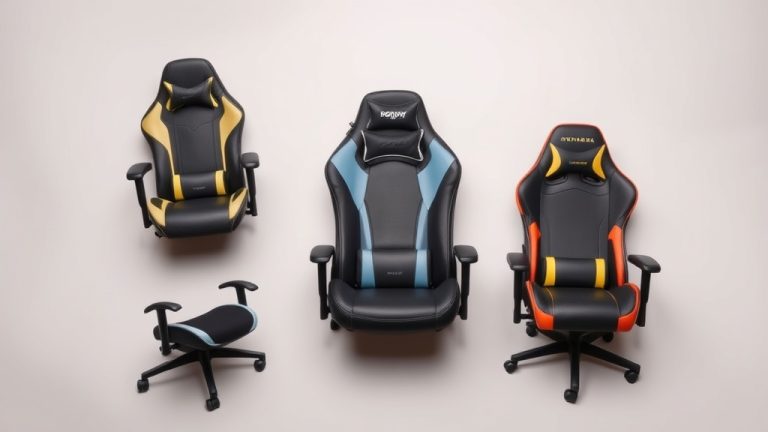
Many gamers opt for high back chairs, and it’s not just for the cool factor. Marathon gaming sessions demand sustained focus and comfort. These chairs provide that. Similarly, if your work involves periods of intense focus where you might lean back and relax for a moment, a high back offers a cozy retreat. It’s about providing support from your tailbone to the top of your head.
The Mid-Back Chair: The Workhorse of the Office
A mid-back chair typically rises to about the level of your shoulder blades. Its primary focus is on providing excellent lumbar support. This means it’s designed to support the natural curve of your lower back. If you’re concerned about lower back pain, a good mid-back chair is designed to help.
Who Benefits Most from a Mid-Back Chair?
For many standard office jobs, a mid-back chair is perfectly sufficient. If you’re not spending 10 hours straight in your chair and you don’t have specific neck or upper back issues, this type of chair offers a great balance. It provides the essential support where most people need it most—their lower back—without feeling too bulky. You can often move more freely in a mid-back chair.
Research from ergonomic studies suggests that good lumbar support is key for preventing lower back strain. Mid-back chairs excel here. They encourage better posture and can help reduce the fatigue that often sets in during a typical workday. If you find yourself shifting around a lot to get comfortable, it might be that your lower back needs a little more attention, which a mid-back chair aims to provide.
We found that people who need to get up and move frequently throughout the day often prefer mid-back chairs. They don’t feel as restrictive, allowing for easier adjustments and quick departures from your desk. It’s about supporting your core sitting posture.
Comparing Key Features for Your Comfort
Let’s look at how these chairs stack up in a few key areas that matter to your comfort and well-being throughout the day.
Support Zones: Where Do They Help Most?
High back chairs are designed for all-around spinal support. They cover your lumbar region, your mid-back, and crucially, your neck and head. This makes them feel more encompassing.
Mid-back chairs, on the other hand, are specialists. Their main job is to support your lumbar region, the inward curve of your lower spine. They offer good back support but leave your neck and head unsupported by the chair itself.
Adjustability and Ergonomics: How Much Can You Tweak?
Both types of chairs can be highly adjustable, but the nature of the adjustments might differ. High back chairs often come with adjustable headrests, which is a significant ergonomic feature for upper body support. They might also have more pronounced lumbar support mechanisms.
Mid-back chairs usually focus on adjustable lumbar support. You might find options to move the lumbar support up or down, or even adjust its depth. Armrest height, tilt mechanisms, and seat depth adjustments are common on both, but you’ll want to check the specifics for any chair you consider.
Space and Aesthetics: Will It Fit Your Office?
High back chairs tend to be larger and more commanding in appearance. They often have a more executive or luxurious look. If you have a smaller office space, a high back chair might feel a bit overwhelming. They can also be heavier and less mobile due to their size.
Mid-back chairs are generally more compact. They fit easily into most office layouts and often have a sleeker, more modern profile. If you prefer a less imposing piece of furniture, or if space is tight, a mid-back chair is often the more practical choice. They tend to blend in better with standard office furniture.
Making the Right Choice for You
So, how do you decide? It really boils down to your personal needs and how you use your workspace. Let’s think about your daily routine.
Consider these points:
- Do you sit for more than 6-8 hours straight most days?
- Do you frequently experience neck, shoulder, or upper back pain?
- Do you need extra support when leaning back to think?
- Is lower back pain your primary concern?
- How much space do you have in your office?
- What’s your budget for an ergonomic solution?
Here’s a quick checklist to guide your decision:
- For Maximum Head and Neck Support: Lean towards a high back chair.
- For Excellent Lower Back Comfort: A mid-back chair is often sufficient.
- For Extended Sitting Sessions: High back chairs generally offer more comfort.
- For Smaller Spaces: Mid-back chairs are usually a better fit.
- For Enhanced Mobility: Mid-back chairs can feel less cumbersome.
- For Overall Spinal Alignment: Both can work, but high back offers more coverage.
It’s about finding a chair that supports your body in the way it needs. Many ergonomic experts suggest that the best chair is one you can adjust to fit you perfectly, regardless of whether it’s high or mid-back. We found that investing a little extra time in understanding these differences can lead to a much more comfortable and productive workday. Don’t be afraid to try chairs out if you can!
Conclusion
Choosing the right office chair boils down to your specific comfort needs. A high back chair offers superior support for your entire spine, including your neck and head, making it ideal for long hours and pain relief. If your main concern is lower back comfort and you have a standard office routine, a mid-back chair provides excellent support without feeling bulky. Consider your workspace size and how much you move throughout the day. We found that the best chair is one that fits your body and your habits. Take a moment to assess your daily sitting patterns and pain points to make an informed decision for a more productive and comfortable work experience.
Frequently Asked Questions
Can a mid-back chair still be ergonomic?
Yes, absolutely. A good mid-back chair is designed with ergonomics in mind, focusing on providing excellent lumbar support to maintain the natural curve of your lower spine. Many offer adjustable features to ensure a comfortable and supportive fit for your lower back.
Are high back chairs only for executive offices or gaming?
While often found in those settings, high back chairs are beneficial for anyone who spends extended periods sitting and needs extra support for their neck and head. If you experience neck stiffness or want to maintain better posture during long work sessions, a high back chair can be a great choice.
How do I know if I need neck support from a chair?
If you frequently experience pain or stiffness in your neck and shoulders after sitting, or if you find yourself hunching your upper body, you likely need neck support. A high back chair with a headrest can help maintain a neutral spine alignment and alleviate strain.
Will a high back chair feel too big for a small office?
High back chairs tend to be larger and more visually dominant. If you have a compact workspace, a mid-back chair might feel less imposing and allow for easier movement around your desk. Measure your space and consider the chair’s footprint before deciding.
Can I adjust the lumbar support on both types of chairs?
Adjustable lumbar support is a common feature on many modern chairs, regardless of back height. However, the focus of adjustment might differ. Mid-back chairs often emphasize adjustable lumbar support, while high back chairs might include an adjustable headrest as a key ergonomic feature.