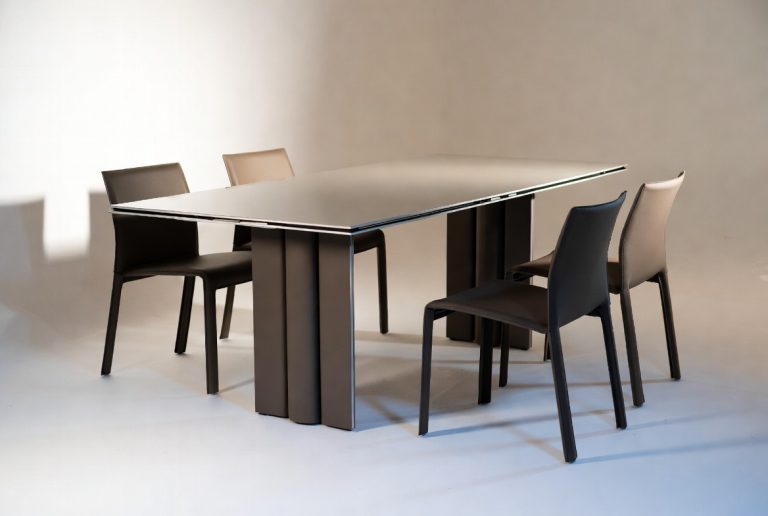
Floor Plan Guide: How Much Room to Allow for Dining Chairs?
When you’re setting up your dining space, one of the most overlooked aspects is figuring out exactly how much clearance you need around your dining chairs. I get it—you see a beautiful dining table, you picture it in your home, and suddenly you’re wondering if your chairs will actually fit comfortably. Let me walk you through everything you need to know about spacing and room allowance for dining chairs, because trust me, getting this right makes all the difference between a functional dining area and one that feels cramped and awkward.
Understanding the Basics: Why Spacing Matters
Think of your dining area like a choreographed dance. Everyone needs their own space to move without stepping on each other’s toes. When you don’t allow enough room for your dining chairs, you’re essentially creating a traffic jam every time someone wants to sit down or stand up. This isn’t just about comfort—it’s about functionality and creating an inviting space where people actually want to gather.
The distance you leave around your dining chairs affects how smoothly your household operates. People pull chairs in and out multiple times a day, and if there’s no room, it becomes frustrating. Plus, if guests can’t comfortably access their seats without squeezing past someone else, your dinner party becomes an uncomfortable experience rather than a pleasant one.
The Standard Rule for Dining Chair Clearance
The 36-Inch Rule Explained
Here’s the golden rule that interior designers swear by: you need at least 36 inches of clearance around your dining chairs. This measurement is taken from the edge of your dining table to the nearest wall or obstacle. Why 36 inches specifically? Well, that’s roughly the distance you need for a chair to be fully pulled out while still leaving enough space for someone to walk comfortably behind it without that awkward squeeze.
Imagine sitting at your dining table and pushing your chair back as far as it naturally goes when you stand up. Now imagine someone needing to walk behind you to get to the kitchen. With 36 inches, both actions happen without anyone doing a sideways shuffle or saying “excuse me” repeatedly.
Going Above and Beyond: The 48-Inch Standard
If you really want to create a luxurious, spacious dining experience, aim for 48 inches around your table. This is the measurement you’ll find in high-end dining spaces and restaurants that prioritize customer comfort. With 48 inches of clearance, your chairs can be fully extended, people can walk freely behind seated guests, and there’s room for serving staff or family members to move around without disruption.
The difference between 36 inches and 48 inches might not sound like much on paper, but when you’re actually living in that space, it feels noticeably more open and welcoming.
Measuring Your Space: A Step-by-Step Approach
What You’ll Need to Measure
Before you rush out to buy a dining set, grab a measuring tape and assess your space carefully. You’ll want to measure:
- The length and width of your dining room
- The distance from your table to each wall
- Doorway openings and traffic patterns through the room
- The placement of any built-in cabinets, fireplaces, or windows
- Whether you have architectural features like columns or beams
Creating a Floor Plan
I recommend sketching out a simple floor plan on graph paper or using one of the many free online tools available. Place your dining table in the center and draw circles around it representing the 36-inch or 48-inch clearance zone. Then draw your walls and any other furniture. This visual representation will quickly show you whether your desired table size actually works in your space.
This step saves you from the frustration of rearranging furniture after delivery. It’s much easier to move things around on paper than in reality, especially with a heavy dining table.
Dining Chair Dimensions: What You’re Working With
Standard Chair Measurements
Most dining chairs have fairly consistent dimensions. A typical dining chair is about 16 to 18 inches wide and extends about 20 to 24 inches from the table edge when fully pulled out. Knowing these measurements helps you calculate your actual clearance needs.
If your chair extends 24 inches from the table and you need 36 inches total clearance, that means you need 12 inches from the chair back to the wall. If you opt for 48 inches total, you’ll have 24 inches—much more comfortable.
Accounting for Different Chair Styles
Not all chairs are created equal. Wingback chairs, for instance, take up more space than simple side chairs. Upholstered chairs might feel bulkier than wooden ones. If you love the look of a particular chair style, factor in its actual dimensions rather than assuming standard measurements.
Room Size Considerations
Cozy Dining Spaces: Making It Work
If you have a smaller dining room or a space that’s primarily used for dining, you might be working with less than ideal clearance. In these situations, here’s what I recommend:
- Choose a table size that’s proportionate to your room, even if it’s smaller than you originally wanted
- Opt for chairs with a slimmer profile or bentwood designs that take up less visual space
- Consider upholstered chairs that sit slightly higher, making the space feel less enclosed
- Use mirrors or light colors to make the space feel more open
- Keep the area clear of unnecessary furniture that competes for space
Open-Concept Living and Dining
In open-concept homes, your dining area flows directly into your living or kitchen space. This changes the clearance calculation slightly because you’re not just thinking about the dining room in isolation. You need to ensure that pulling out dining chairs doesn’t block traffic between the kitchen and living room, or create an obstacle course in your open floor plan.
In these situations, I’d actually recommend pushing toward that 48-inch standard, or at minimum ensuring the 36 inches exists on the sides that matter most for traffic flow.
Table Shape and Chair Placement
Rectangular Tables: The Most Common Choice
Rectangular tables are the standard in most dining rooms, and for good reason—they’re efficient and fit well in most spaces. When calculating clearance for a rectangular table, you need 36 inches (or 48 inches for luxury spacing) extending from the long sides and the short ends.
Most people place chairs along the long sides and one at each end. This setup requires adequate space perpendicular to the table so chairs can be pulled out fully.
Round Tables: A Different Equation
Round tables create a different spatial dynamic. They’re wonderful for conversation because everyone faces the center, but they require clearance all the way around. Calculate the space needed from every angle of the table, not just the front and back.
The advantage of round tables is that they create equal sightlines and no one sits at a “foot” of the table. The disadvantage is that they’re less efficient regarding floor space—you need more room around them to achieve the same functionality as a rectangular table.
Square Tables: The Middle Ground
Square tables offer a compromise. They fit well in smaller spaces better than rectangular tables, yet they’re more efficient than round tables. You’ll want the full clearance measurement on all four sides, making them work best in more spacious rooms.
Walkway Space: Don’t Forget Traffic Flow
Primary Traffic Paths
Beyond just getting in and out of chairs, consider the main traffic paths in your dining area. In an open-concept home, this might be the route from your kitchen to your living room. In a traditional dining room, it might be the path from the entrance to the table.
These walkways should be at least 36 inches wide, and preferably 42 to 48 inches if possible. If someone carrying a full platter of food needs to navigate past diners, they need reasonable space to do so safely.
Secondary Pathways
Think about secondary movement through your dining space. Does someone need to access a china cabinet or sideboard? Will guests need to reach a restroom? Map out these movements and ensure they’re not blocked by chairs or require uncomfortable contortions.
Special Situations and Solutions
Benches as an Alternative
If space is genuinely tight, benches offer a clever solution. They take up less depth than traditional chairs when pushed against the wall, and they don’t require being pulled out in the same way individual chairs do. You can pair benches with traditional chairs on the opposite sides, giving you flexibility in your space usage.
Expandable Tables
Expandable or extendable tables are game-changers for homes where space is limited. You keep the table smaller for everyday use, maintaining good clearance, and expand it only when hosting larger gatherings. Just ensure that expanded, you still have adequate space for the additional chairs you’ll need.
Swivel or Sliding Chairs
Some modern dining chairs swivel or slide partially under the table. While these are innovative, I’d be cautious about relying on them entirely. Traditional pull-out chairs are still more practical for most dining situations, even if they require a bit more space.
Practical Tips for Optimizing Your Dining Space
Furniture Arrangement Strategies
Position your dining table centrally in your dining room rather than pushed against a wall. A centered table with adequate clearance on all sides always looks and functions better than a table wedged into a corner.
If your space is truly limited, you might place one long side of a rectangular table against a wall. This reduces clearance requirements on that side while maintaining proper spacing on the sides where chairs actually need to be pulled out and where people walk.
Scale Matters
Choose a table size that’s proportionate to your room. A dining table should ideally sit in the center with at least 36 inches on all sides, but it shouldn’t dominate the entire room either. There’s a sweet spot where the table is appropriately sized for the space.
A good rule of thumb is that your dining table should take up roughly 25 to 30 percent of your room’s square footage. Any more, and the space feels claustrophobic. Any less, and the table looks lost.
Visual Lightness
If you’re working with limited space, choose tables and chairs with visual lightness. Glass tops, metal bases, or lighter wood finishes make furniture appear less heavy and make spaces feel more open than dark, solid wood pieces. The feeling of spaciousness is sometimes just as important as actual space.
Common Mistakes to Avoid
Underestimating Chair Depth
Many people measure their dining table but forget to account for how far chairs extend when occupied or fully pulled out. This leads to purchasing a table that technically fits but makes dining uncomfortable because clearance is inadequate.
Ignoring Architectural Features
I’ve seen countless dining setups where columns, fireplaces, or bay windows weren’t accounted for in space planning. These features consume floor space and affect traffic patterns. Always consider your entire room’s architecture, not just the table location.
Not Accounting for Future Flexibility
Your needs change over time. You might have fewer dinner parties or more frequent gatherings. Try to set up your space with flexibility in mind. Adequate clearance gives you options rather than boxing you in with just one usage pattern.
Cultural and Lifestyle Considerations
Dining Frequency and Group Size
How often do you dine formally? Do you regularly host large groups? Your lifestyle should influence how much clearance you prioritize. If you’re a frequent entertainer, that 48-inch standard makes sense. If you rarely use your formal dining room, you might be comfortable with tighter spacing.
Family Dynamics
Consider who uses your dining space. Young children might need more space to comfortably settle into chairs. Elderly family members might need wider chair spacing for stability. These human factors matter beyond just the numbers.
Conclusion
Determining how much room to allow for dining chairs isn’t just about following rules—it’s about creating a space that works for your life. The 36-inch minimum clearance is a good baseline that ensures functionality, but whenever possible, aiming for 48 inches creates a noticeably more comfortable and luxurious experience.
Before making any purchases, take time to properly measure your space and map out your furniture placement. Sketch it out on paper or use digital tools to visualize how your chosen table and chairs will function in your actual room. Consider your traffic patterns, your entertaining style, and your family’s daily habits.
Remember that the perfect dining room isn’t about having the biggest table or the most chairs—it’s about creating an inviting space where people actually want to sit down, enjoy a meal, and spend time together. When you get the spacing right, you’re not just improving functionality; you’re enhancing the entire dining experience. So take your measurements seriously, plan thoughtfully, and you’ll end up with a dining area that works beautifully for years to come.
Frequently Asked Questions
What if my dining room is smaller than 36 inches around the table?
If your space is genuinely tight, consider a smaller table, use benches instead of chairs, or arrange seating on only two sides of the table rather than all four. You might also consider an expandable table that stays smaller for daily use. While 36 inches is ideal, sometimes working with what you have means making strategic compromises while keeping comfort as your priority.
Can I use chair measurements to determine if my current setup works?
Absolutely. If your chairs extend 22 inches from the table when pulled out, and you need 36 inches total clearance, you need 14 inches from the chair back to your wall. Measure this in your actual dining room to see if your current arrangement meets this standard. This simple measurement tells you whether you have adequate space.
Does clearance requirement change for different table heights?
Standard dining tables are about 30 inches high, and most dining chairs are proportioned accordingly. Non-standard heights might affect how the space feels, but the clearance principle remains the same. A lower or higher table would still require the same floor space for comfortable seating and movement.
Is 36 inches of clearance comfortable for everyday dining?
Thirty-six inches is the minimum functional clearance—it works, but it’s not luxurious. For everyday comfort and regular entertaining, 42 to 48 inches is noticeably better. If you spend significant time dining, the extra inches make a meaningful difference in comfort and usability.
How do I measure clearance in an open-concept space?
In open-concept areas, measure clearance from your table edges to the nearest obstacles or walls, just as you would in a traditional room. Additionally, ensure that pulling out chairs doesn’t block traffic between adjoining spaces like the kitchen or living room. Walk through the space mentally while envisioning chairs pulled out, and verify that movement remains smooth and unobstructed.
“`