
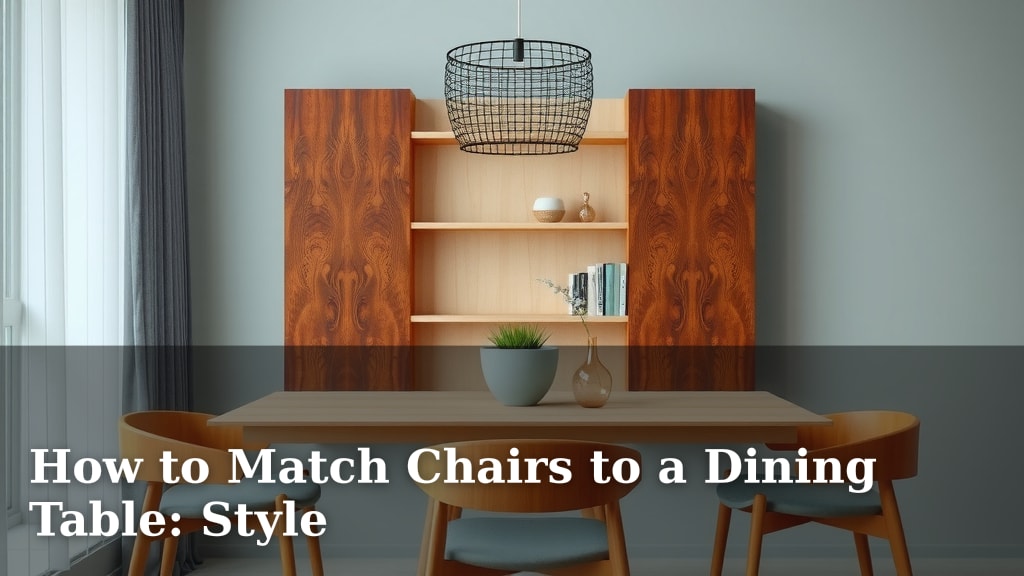
How to Match Chairs to a Dining Table: Style
Matching chairs to your dining table style is all about creating a cohesive and balanced look for your space. You want your chairs and table to feel like they belong together, not like they’re fighting for attention. Think about the table’s material, color, and overall design to find chairs that complement it perfectly.
When styling your dining area, remember that chair selection impacts the room’s atmosphere and functionality. You’re not just picking seats; you’re shaping the dining experience. Considering both form and function will ensure your choices are both beautiful and practical for your lifestyle.
- Chair material should echo the table’s.
- Style (modern, traditional) needs to match.
- Color harmony creates a polished look.
- Don’t forget about comfort and scale.
Ready to find the perfect match? Let’s walk through exactly how to choose dining chairs that make your table shine.
“`htmlFinding Your Dining Chair Style Match
Choosing dining chairs that beautifully complement your dining table is all about creating a harmonious look. You want your set to feel like a natural pairing, not an accidental arrangement. Think of it like dressing: your chairs are the accessories to your table’s main outfit. We found that paying attention to the table’s design can guide you toward the perfect chair style.
Consider Your Table’s Design Era
Does your table lean modern, traditional, rustic, or something else entirely? The chairs you choose should echo this. For a sleek modern table, consider chairs with clean lines, perhaps metal frames or minimalist upholstery. A traditional, ornate table might pair best with chairs featuring carved details or classic upholstery.
Material Harmony: The Unspoken Connection
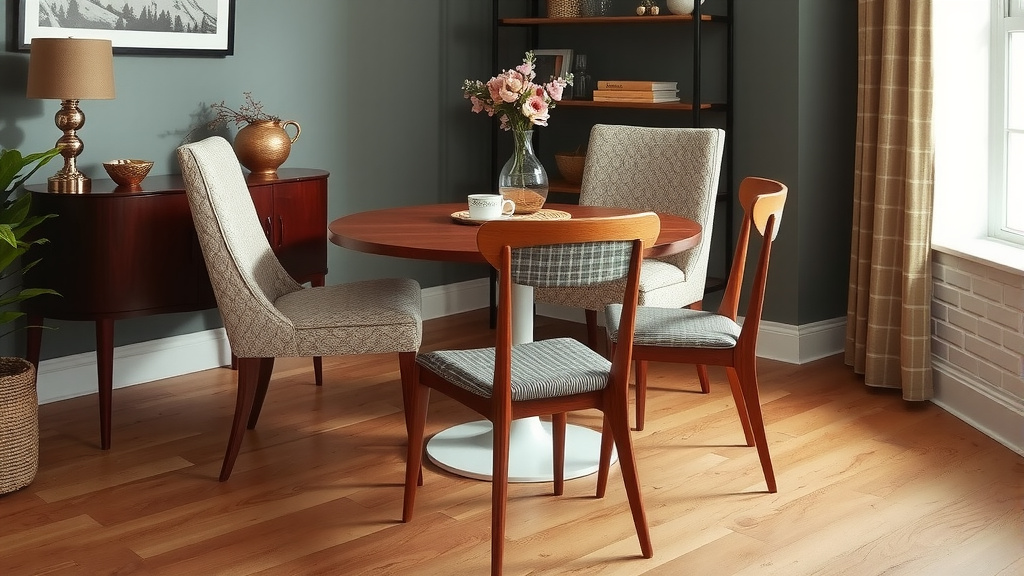
The materials of your chairs and table can either complement or clash. Often, sticking to similar materials creates a cohesive feel. A solid wood table might look fantastic with solid wood chairs, or perhaps chairs with wood accents.
Wood on Wood: A Classic Pairing
If your table is oak, consider chairs in oak. This doesn’t mean they have to be an exact match, but sticking to the same wood species or finish can create a unified look. We’ve found that mixing wood tones can work, but it requires a keen eye for color balance.
Beyond Wood: Metal, Glass, and Upholstery
A glass-top table often pairs well with chairs that have a lighter feel, like metal or acrylic. For a table with a metal base, chairs with metal details can tie the whole ensemble together. Upholstery adds another layer. If your table has a rich, dark finish, perhaps chairs with lighter, neutral upholstery can provide a nice contrast.
Shape Language: Echoing Lines and Curves
Look at the prominent shapes in your dining table. Does it have sharp, angular legs or soft, rounded edges? Your chairs can mirror these shapes for a visually pleasing effect.
Angular Tables and Chairs
For tables with strong, straight lines, chairs with similar straight-back designs or geometric elements often fit well. This creates a sense of order and intentional design. Many interior designers suggest this approach for a balanced feel.
Curvy Tables and Chairs
A round or oval table often looks lovely with chairs that have softer lines, perhaps with curved backs or gently sloping arms. This can soften the overall look of your dining space.
Color Coordination: Beyond Basic Matching
Color is a powerful tool in styling your dining set. You don’t always need to match the exact color, but you do want harmony. Think about the undertones of your table’s color.
Playing with Neutrals
Neutral colors offer a lot of flexibility. If your table is a warm wood tone, chairs in cream, beige, or even a soft grey can work beautifully. For a dark table, lighter neutrals can brighten the space. We found that sticking to a cohesive neutral palette is a safe and stylish bet.
Adding a Pop of Color
Want to introduce color? Consider using chairs as your statement piece. If your table is a neutral color, a set of chairs in a bold hue can energize your room. Alternatively, if your table has a distinct color, chairs in a complementary or analogous color can create a sophisticated look.
Scale and Proportion: The Importance of Fit
Even the most stylish chairs won’t work if they’re the wrong size. The scale of your chairs needs to be appropriate for your table and your dining room.
Chair Height and Table Clearance
There should be enough clearance between the seat of the chair and the underside of the table. Typically, about 10-12 inches is ideal for comfortable legroom. We found that measuring this gap is a critical step.
Chair Width and Room Space
Consider the width of your chairs and how many you’ll be fitting around the table. You need enough space for guests to pull chairs out and sit comfortably. Don’t cram too many chairs in if your room is small. Experts suggest leaving about 24 inches of space per person at the table.
Mixing and Matching: When to Break the Rules
While matching is often the easiest route, sometimes breaking the mold creates a unique and personal style. You can mix chairs if done intentionally.
The Power of Four and Two
A popular trend is to use four matching chairs around the sides of a rectangular table and two distinct chairs at the head and foot. These “host” chairs can be larger, more ornate, or a different color to make them stand out. This adds visual interest and personality.
Consistent Elements for Cohesion
If you’re mixing different chair styles, try to maintain one consistent element. This could be the color, the material (like all chairs having wood legs), or the overall design feel. This helps tie the disparate pieces together.
Your Dining Chair Style Checklist
Here’s a quick guide to help you make the right choice:
- Does the chair style match your table’s design era (modern, traditional)?
- Do the chair and table materials look good together?
- Do the chair shapes complement your table’s lines?
- Is the color palette harmonious or intentionally contrasting?
- Are the chairs the right scale and proportion for the table and room?
- Will the chairs provide comfortable seating for your needs?
Conclusion
Matching your dining chairs to your table’s style is key to a balanced and inviting dining space. You’ve learned how to consider your table’s design era, materials, shapes, and colors to find chairs that feel like a perfect match. Remember to also check scale and proportion for comfort and visual harmony. Don’t be afraid to mix and match with intention, using consistent elements to tie different styles together. Your next step? Start browsing with these tips in mind to find the chairs that truly make your dining table shine!
Frequently Asked Questions
What if my dining table is an antique?
For antique tables, we recommend seeking chairs that either match the era or offer a subtle contrast. A vintage-inspired chair with similar detailing can create a cohesive look. If you prefer modern, choose chairs with simple lines that won’t overpower the antique table’s character.
Can I mix different wood tones for my table and chairs?
Yes, you can mix wood tones, but do so carefully. We found that keeping the undertones similar (both warm or both cool) helps them work together. Alternatively, you can use a clear or painted finish on one piece to bridge the gap between different wood grains.
How important is the chair’s back height compared to the table?
Chair back height affects the overall visual flow. Generally, you want the backs of the chairs to tuck neatly under the table when not in use. Extremely tall chair backs might feel overwhelming for some tables, while very low backs can sometimes look out of place.
What are the best chair materials for a high-traffic dining area?
For busy households, durable and easy-to-clean materials are best. We’ve seen that materials like faux leather, certain performance fabrics, or wood chairs with a protective finish hold up well. Avoid delicate upholstery or easily scratched surfaces if durability is a top concern.
How do I choose chairs if my table has a unique or unusual shape?
For tables with unique shapes, like a pedestal or a freeform top, focus on the lines and materials. You can often mirror the curvature of a round or oval base with chairs that have softer, rounded backs. If the material is distinct, such as concrete or stone, chairs in contrasting but harmonizing materials like metal or wood can be stunning.