Protect Hardwood Floors From Dining Chairs
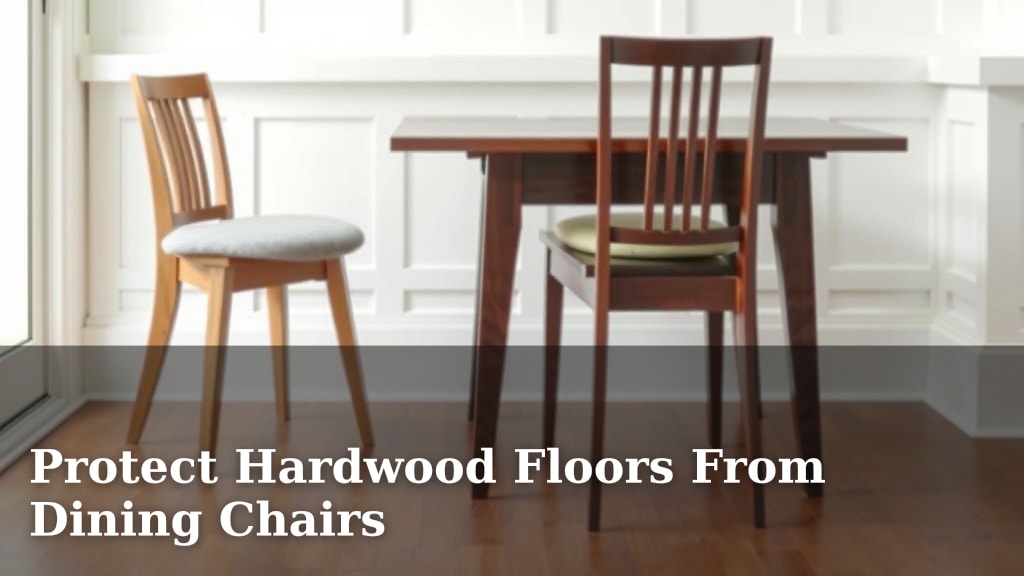
Yes, you can absolutely protect your hardwood floors from dining chair scratches. The easiest way to do this is by attaching felt pads or chair leg caps to the bottom of your dining chair legs. This simple step prevents the hard materials of the chair legs from directly scraping against your beautiful wood finish, stopping those irritating scratches and scuffs before they even start.
Your dining area is a high-traffic zone for furniture. Every time a chair is pulled out or pushed in, there’s a chance for damage. Using protective measures not only keeps your floors looking pristine but also helps maintain the long-term value of your home. Think of it as a small investment for a much larger payoff in floor longevity and appearance.
- Use felt pads or chair leg caps.
- Install them on all dining chair legs.
- Regularly check and replace worn-out pads.
- Consider heavier duty options for very active households.
Let’s walk through exactly how to keep your dining chairs from damaging your hardwood floors, step by step.
Saving Your Hardwood Floors from Dining Chairs
Your hardwood floors are gorgeous, aren’t they? They add so much warmth and elegance to your home. But dining chairs can be their worst enemy. Those little scrapes and scratches can really add up. Fortunately, there are some easy ways to keep your chairs from damaging your beautiful floors.
Understanding the Damage: What Happens to Your Floors?
Think about how often you move your dining chairs. Every meal, every gathering, they slide in and out. The bottom of a chair leg is often made of hard material like wood, plastic, or even metal. When this rubs against your hardwood floor, it’s like sandpaper. Even a tiny grain of dirt can act like an abrasive.
The Culprits: Chair Leg Materials
Different chair leg materials pose different risks. Solid wood legs can be rough if not finished perfectly. Plastic or nylon glides can become worn down, exposing sharper edges. Metal legs are often the most aggressive, with exposed bolts or sharp edges that can dig right in.
The Tiny Terrors: Dirt and Debris
It’s not just the chair itself. Grit, dust, and small pebbles can get trapped between the chair leg and the floor. These little troublemakers act like tiny rocks. As the chair moves, they grind away at your floor’s finish, causing those unsightly scratches and scuffs.
Your First Line of Defense: Protective Pads and Caps
The most common and effective solution involves attaching something soft to the bottom of your chair legs. This creates a buffer. It stops the hard chair material from ever touching your precious wood floor. This is your best bet for everyday protection.
Felt Pads: The Classic Choice
Felt pads are probably what you think of first. They’re inexpensive and easy to find. They come in various shapes and sizes. You can get round ones, square ones, and even custom shapes. They usually have an adhesive backing.
- Types of Felt: You can find thin, basic felt or thicker, denser versions. For high-traffic areas, a denser felt is better. It wears down more slowly.
- Application: Simply peel off the backing and stick it firmly to the clean bottom of the chair leg. Make sure the entire surface of the leg is covered.
- Durability: Felt pads don’t last forever. They can get matted down or wear through. You’ll need to check them regularly.
Chair Leg Caps: A Snug Fit
Chair leg caps are like little socks or boots for your chair legs. They slip right over the end of the leg. They are often made of rubber, silicone, or a durable plastic. These can offer a more secure fit than adhesive pads.
- Material Matters: Silicone and rubber caps are generally softer and quieter. They also tend to grip the floor better, reducing chair slippage.
- Sizing is Key: It’s really important to get the right size. If they’re too loose, they’ll fall off. If they’re too tight, they might damage the chair leg itself. Measure your chair legs carefully.
- Ease of Use: Caps are very easy to install. Just push them onto the leg. They can also be removed and cleaned if they get dirty.
When to Choose Pads vs. Caps
For smooth, level floors, felt pads are often great. They provide good protection and are very affordable. If your floors have any slight unevenness, or if your chairs tend to scrape loudly, caps might be a better choice. They offer a bit more cushioning and can grip better.

Installation and Maintenance: Making Them Last
Simply slapping on a pad isn’t always enough. A little care goes a long way. Following the right steps ensures your protection lasts and works effectively.
Preparation is Key
Before you attach any pads or caps, clean the bottom of your chair legs. Remove any old glue, dirt, or debris. For adhesive pads, this ensures a strong bond. For caps, it prevents grit from getting trapped and scratching the floor or the cap itself.
Regular Checks Keep Floors Safe
This is super important! Your protective gear won’t work if it’s worn out. We found that chairs get moved a lot, and those pads take a beating. Plan to check them every few months.
Look for signs of wear. Are the pads getting thin? Are they peeling off? Are the caps cracked or loose? Replace any damaged pads or caps immediately. This simple habit can prevent a world of floor damage.
A Simple Maintenance Checklist
Here’s a quick list to keep your floors safe:
- Clean chair legs before applying protectors.
- Press adhesive pads firmly into place.
- Ensure chair caps fit snugly.
- Check protectors every 2-3 months.
- Replace worn or damaged protectors promptly.
- Wipe down caps if they collect dirt.
Beyond the Basics: Extra Protective Measures
Sometimes, you need a little extra help. Certain situations call for more robust solutions. These can be especially useful for busy families or if you have very delicate flooring.
Heavy-Duty Options for Active Homes
For households with lots of activity, standard felt pads might wear out too quickly. In these cases, consider heavier-duty felt pads. Some are made with a thicker, more durable material. You can also find chair leg protectors made of reinforced rubber or tough plastic that are designed to withstand more abuse.
Consider Rugs or Mats Under the Table
An area rug or a durable mat placed under your dining table and chairs can be a lifesaver. It acts as a large protective layer. All the chair movement happens on the rug, not directly on your hardwood. Make sure the rug has a non-slip backing or use a rug pad underneath it to prevent slipping.
| Protection Method | Pros | Cons | Best For |
|---|---|---|---|
| Felt Pads | Inexpensive, easy to find, many sizes | Can wear out, adhesive can fail | Light to moderate use, smooth floors |
| Chair Leg Caps | Secure fit, good cushioning, can be quiet | Requires correct sizing, can be pricier | Heavy use, uneven floors, noise reduction |
| Area Rug | Protects large area, adds decor | Can be expensive, needs cleaning, potential tripping hazard | Very high traffic, wanting a defined dining zone |
Taking these simple steps can make a huge difference. Your hardwood floors will thank you for it by staying beautiful for years to come!
Conclusion
Protecting your beautiful hardwood floors from dining chairs is entirely achievable with simple, smart solutions. We’ve seen how everyday actions, like dragging chairs, can cause lasting damage. The good news is that felt pads and chair leg caps offer an effective buffer. Remember to prepare your chair legs properly and perform regular checks on your protectors. For busy homes, consider heavier-duty options or an area rug. Taking these small steps now ensures your floors stay gorgeous for years to come. Your very next step should be to clean your chair legs and apply protectors!
Frequently Asked Questions
How often should I replace felt pads on my dining chairs?
We’ve found that felt pads can wear down over time, especially in high-traffic areas. It’s a good practice to check them every 2-3 months. If they look matted, thin, or are starting to peel, it’s time to replace them to maintain optimal floor protection.
Can chair leg caps actually fall off?
Yes, chair leg caps can fall off if they are the wrong size or if they become worn out. Ensuring you measure your chair legs accurately and choosing caps that fit snugly is key. Regularly checking that they remain secure will prevent accidental damage.
Are there any chair leg protectors suitable for outdoor dining chairs?
The options we discussed are primarily for indoor use on hardwood floors. Outdoor furniture legs often encounter different surfaces and weather conditions. For outdoor chairs, you might need specific, weather-resistant protectors designed for patios or decks.
Will chair leg protectors make my chairs slide around too much?
It’s a valid concern, especially with felt pads. While some felt is designed for grip, too much friction can be an issue. Silicone or rubber chair leg caps often provide a good balance, offering protection without making chairs excessively difficult to move.
Can I use furniture polish or wax instead of pads or caps?
While floor polishes and waxes can add shine and some surface protection, they don’t prevent the physical scraping damage from chair legs. These products are more for surface appearance. For protection against scratches, you still need a physical barrier like felt pads or caps.


![7 Best Dining Table And Chairs [2026]](https://seatvit.com/wp-content/uploads/2026/06/7-best-dining-table-and-chairs-2026-featured-768x432.jpg)