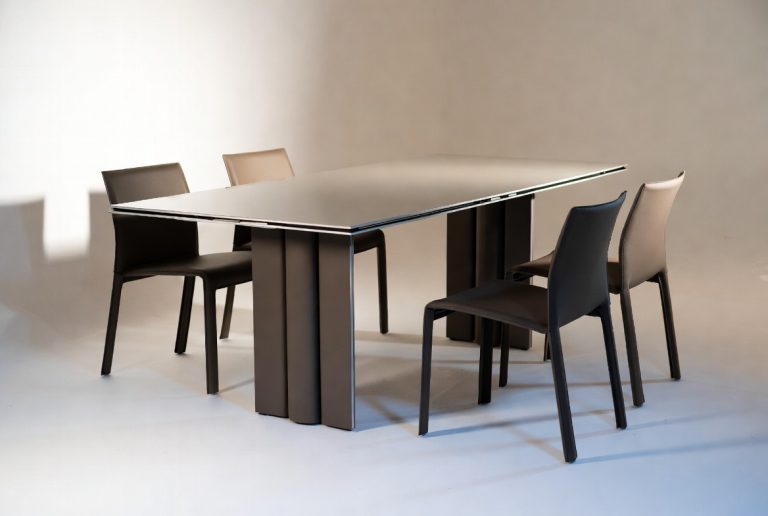

Protect Fabric Dining Chairs From Stains
Protecting your fabric dining chairs from stains is easier than you think! A few smart steps can make a huge difference in keeping them looking fresh. Acting fast with the right methods is key to preventing spills from becoming permanent marks. You can absolutely keep your dining chairs stain-free with a little preparation and quick action.
Fabric dining chairs can be a beautiful addition to your home. But let’s be honest, they are magnets for spills and messes. From spaghetti sauce to red wine, stains happen! Fortunately, with the right knowledge, you can significantly reduce the risk of permanent damage and keep your chairs looking like new for years to come. We found that consistent care makes all the difference.
- Act fast when spills happen.
- Blot, don’t rub, spills immediately.
- Use the right cleaning products for your fabric type.
- Consider fabric protectors for added defense.
- Regular vacuuming prevents dirt buildup.
Ready to give your dining chairs the protection they deserve? Let’s walk through the best ways to guard against those inevitable spills and keep them looking fantastic.
Your dining chairs are the unsung heroes of many memorable meals. They host everything from boisterous birthday dinners to quiet weeknight chats. Keeping them looking their best doesn’t have to be a chore. We’ve gathered some practical tips to help you ward off stains before they even think about setting up camp. This guide will show you how to give your chairs the defense they need.
Keeping Your Dining Chairs Spotless
When it comes to stains, prevention is your best friend. A little effort upfront can save you a lot of scrubbing later. We found that being prepared makes all the difference. Think of it like putting on a good raincoat before a storm hits – you’re ready for whatever comes your way.
Choosing the Right Protection Methods
Different fabrics require different care. Before you grab any cleaning product, take a moment to identify your chair’s material. This step is absolutely essential. Using the wrong product can do more harm than good. Many manufacturers label the fabric type on a tag, often found under the seat cushion.
Understanding Fabric Types
Most dining chair fabrics fall into a few categories: natural fibers like cotton and linen, synthetic fibers such as polyester and nylon, and blends. Natural fibers can be more absorbent, making them susceptible to deeper stains. Synthetics often have a tighter weave, which can repel liquids better. Blends offer a mix of both qualities. Many upholstery guides suggest testing any cleaning solution on an inconspicuous area first, like the back or underside of the chair. This is a smart move to avoid accidental discoloration or damage.
The Power of Fabric Protectors
Fabric protectors are like a shield for your chairs. They create a barrier that helps liquids bead up on the surface, rather than soaking in immediately. This gives you precious extra time to clean up spills before they become stubborn stains. We found that these sprays are relatively easy to apply and can be a real lifesaver.
How Fabric Protectors Work
These products work by altering the surface tension of the fabric fibers. They create a hydrophobic surface. This means water-based liquids won’t easily penetrate the material. Many experts recommend reapplying protectors every 6-12 months, depending on wear and tear. Always follow the product’s instructions carefully for best results. Research and found that ensuring good ventilation during application is also important for your safety.
Daily Habits for Stain Prevention
Beyond specialized treatments, simple daily habits can make a big impact. Think of these as your everyday defense tactics. Consistent care is often more effective than sporadic deep cleans.
The Importance of Immediate Action
This is probably the most critical step. When a spill happens, don’t wait. Grab a clean cloth or paper towel right away. Gently blot the area. We found that blotting is key because rubbing can spread the stain and push it deeper into the fabric fibers. For most common spills, like juice or water, blotting alone might be enough. If it’s something a bit more challenging, like red wine or coffee, blotting is still your first move.
Regular Vacuuming
Dust and crumbs might not seem like stains, but they can wear down fabric over time. They can also trap oils and dirt, leading to discoloration. We found that a quick vacuuming session once a week can prevent buildup. Use the upholstery attachment on your vacuum cleaner. This gets into all the nooks and crannies where debris loves to hide. It’s a simple step that keeps your chairs looking fresh and helps prolong their life.
Mealtime Accessories
Think about using placemats and tablecloths, especially during messy meals. This creates a buffer zone. It protects your chair seats from falling food or dripping drinks. For younger family members or particularly enthusiastic eaters, consider using a wipeable seat cover. These are often made of vinyl or treated fabric. They offer an extra layer of defense against spills and are usually easy to clean. Many parents found this to be a lifesaver during the toddler years.
Tackling Spills When They Happen
Even with the best defenses, spills are sometimes inevitable. The good news is that knowing how to tackle them quickly and correctly can make a world of difference. We’ve outlined the general approach to cleaning different types of spills.
Blot, Blot, Blot!
We can’t stress this enough: always blot first. Use a clean, dry cloth or paper towel. Work from the outside of the spill inward. This prevents the stain from spreading. For liquids, keep dabbing with a fresh section of the cloth until no more moisture is absorbed. This is your initial line of defense.
Water-Based Stains
For many common household spills like soda, fruit juice, or light sauces, a simple mixture often works wonders. Mix a small amount of mild dish soap with cool water. Dampen a clean cloth with this solution. Gently blot the stained area. Then, rinse the cloth with plain water and blot again to remove any soap residue. Finally, blot dry with a clean towel. Many cleaning guides suggest this method for a reason – it’s effective and uses readily available items.
Grease and Oil Stains
These can be a bit trickier. For fresh grease stains, start by blotting up as much excess oil as possible with a dry cloth or paper towel. Then, sprinkle a bit of baking soda or cornstarch over the stain. Let it sit for about 15-30 minutes to absorb the grease. Gently brush off the powder. If a residue remains, you might need a specialized upholstery cleaner designed for grease. Always test in an inconspicuous spot first. Research indicates that acting fast is key to preventing grease from setting.
Know Your Cleaning Codes
Many upholstery fabrics come with cleaning codes. These are usually found on the manufacturer’s tag. They tell you the best way to clean the specific fabric. Here’s a quick rundown:
| Code | Meaning | What to Do |
|---|---|---|
| W | Water-based cleaners | Use water-based cleaning solutions. |
| S | Solvent-based cleaners | Use a solvent-based upholstery cleaner. Do NOT use water. |
| WS | Water or solvent-based | You can use either type of cleaner. |
| X | Vacuum only | Do NOT use any liquid cleaners. Vacuum only. |
Always check this code before attempting any deep cleaning. It’s your manufacturer’s guide to keeping your chairs in great shape.
When to Call the Professionals
Sometimes, a stain is just too stubborn, or you’re hesitant to tackle it yourself. Don’t feel discouraged! There are professional upholstery cleaners who have specialized equipment and knowledge. For valuable or delicate fabrics, this is often the safest route. Many experts recommend professional cleaning every 1-2 years to maintain the fabric’s appearance and longevity.
Your Stain-Fighting Checklist:
- Always blot spills immediately.
- Test cleaning solutions in a hidden spot first.
- Know your fabric’s cleaning code.
- Use placemats and tablecloths for meals.
- Vacuum regularly to prevent dirt buildup.
- Consider a fabric protector spray.

Conclusion
Keeping your fabric dining chairs looking pristine is totally achievable with a little know-how. You’ve learned the importance of acting fast when spills happen and how blotting is your first line of defense. We’ve covered how fabric protectors offer an extra shield and how simple daily habits like vacuuming can prevent unseen damage. Remember to always check your fabric’s cleaning codes before attempting any spot treatment. Now, you’re equipped to handle messes confidently and protect your beautiful chairs.
Your next step? Gather your cleaning supplies and maybe even pick up a fabric protector spray. Take a few minutes to check the tags on your chairs for those cleaning codes. You’ve got this!
Frequently Asked Questions
How often should I reapply fabric protector to my dining chairs?
Most experts recommend reapplying fabric protectors every 6 to 12 months. This timeframe can vary depending on how much your chairs are used and how often they are cleaned. Always check the specific product instructions for the best guidance.
Can I use water to clean any fabric dining chair?
Not all fabric dining chairs can be cleaned with water. Always check the manufacturer’s tag for the cleaning code. Fabrics coded ‘S’ require solvent-based cleaners only, while ‘W’ or ‘WS’ codes allow for water-based solutions.
What’s the best way to deal with a dried-in stain?
Dried-in stains are tougher, but immediate action is still key. Start by gently scraping off any excess dried material. Then, try a cleaning solution appropriate for your fabric type, testing it on an inconspicuous area first. Blot gently and repeat if necessary.
Are placemats and tablecloths really effective at preventing stains?
Yes, placemats and tablecloths act as a physical barrier. They catch dropped food and spilled drinks before they ever reach your chair fabric. We found this simple step significantly reduces the risk of direct spills onto the chairs.
When should I consider calling a professional upholstery cleaner?
You should consider professional cleaning if you have very delicate or expensive fabric, or if you’re facing a large or stubborn stain you’re unsure how to tackle. Professionals have specialized tools and solutions to clean safely and effectively.