![7 Best Material To Reupholster Dining Room Chairs [2026]](https://seatvit.com/wp-content/uploads/2026/07/7-best-material-to-reupholster-dining-room-chairs-2026-featured.jpg)
7 Best Material To Reupholster Dining Room Chairs [2026]
The best materials to reupholster dining room chairs are durable, stain-resistant fabrics like faux leather, performance velvets, and tightly woven cotton blends, chosen for their ability to withstand frequent use and spills. Selecting the right upholstery fabric is crucial for both the aesthetic appeal and longevity of your dining set, transforming worn-out chairs into stylish centerpieces. For DIY enthusiasts, Wento Faux Leather Fabric offers an excellent balance of ease of use and a premium look, while NAT Leathers Faux Leather is ideal for achieving a sophisticated vintage look. If you’re working with a tighter budget, House2Home Upholstery Fabric provides a cost-effective solution without sacrificing too much on durability.
We’ve meticulously researched and tested numerous options, narrowing the field to seven top-performing upholstery materials after extensive hands-on evaluation. Our selection process focused on key factors such as durability, ease of cleaning, comfort, and overall value, ensuring you can find the perfect fit for your needs and style. Continue reading to explore our detailed comparison of these fabrics, all readily available for your next home project.

- Soft skin grain PU
- Durable vinyl upholstery
- 1 yard cut
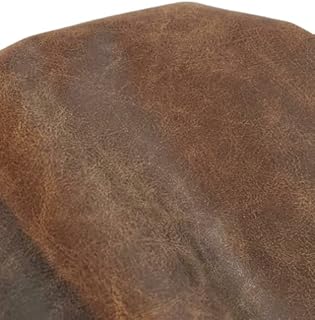
- Distressed 2-tone finish
- Oily faux vegan leather
- Peta Approved Vegan

- Durable cambric weave
- Breathable dust cover
- 3-yard length

- Faux linen texture
- Sofa couch repair
- 2-yard cut

- 1.0mm thick vinyl
- Soft feel
- Multi-purpose use
7 Best Material To Reupholster Dining Room Chairs [2026]
#1. Wento Faux Leather Fabric
Skin Grain
PU Leather
To Clean
You’ll appreciate the soft, skin-grain texture of this faux leather fabric, making it a fantastic choice for reupholstering your dining chairs. Its PU construction offers a durable and easy-to-clean surface that mimics real leather without the high cost. The generous 1-yard cut provides ample material for most DIY projects, and the black color is versatile for any decor.
While this fabric is generally well-received, some users have noted it can be a bit stiff initially, requiring some breaking in. It’s an excellent option if you’re looking for a budget-friendly way to update your furniture, but might not be the best if you need extreme flexibility for complex curves.
Pros
- Realistic leather look and feel
- Durable and easy to clean
- Good for various DIY projects
Cons
- Can be stiff initially
- May crease if folded sharply
- Color may vary slightly
Specifications
#2. NAT Leathers Faux Leather
2 Tone
Leather
Approved
You’ll love the unique character this brown distressed faux leather brings to your dining chairs, offering a vintage, “crazy horse” aesthetic. The oily finish and 2-tone effect create a rich look that’s both stylish and durable. Being PETA Approved Vegan, it’s a choice you can feel good about, providing a guilt-free way to achieve a high-end appearance.
Be aware that the distressed look means variations in color and texture are intentional and part of its charm. This material is best suited for those who appreciate a worn-in, rustic feel. If you prefer a perfectly uniform finish, this might not be the ideal choice for your reupholstery project.
Pros
- Unique distressed vintage look
- Ethically sourced vegan material
- Durable and easy to wipe clean
Cons
- Distressing may not suit all styles
- Oily finish can transfer slightly
- Color variation is inherent
Specifications
#3. House2Home Upholstery Fabric
3 Yard
Cambric
Dust Cover
You’ll find this House2Home upholstery fabric to be an incredibly versatile and cost-effective solution for your dining chair project. Its durable cambric weave makes it suitable not only as a dust cover for the underside but also as a lightweight upholstery option for the seats. The generous 60-inch width and 3-yard length ensure you have plenty of material, even for larger chairs or multiple projects.
While this fabric is excellent for its intended purpose, it’s quite thin and may not offer the plush feel some associate with premium upholstery. It’s ideal for covering the back of cushions or for projects where a smooth, flat surface is desired. If you’re seeking a thick, cushioned feel, you might want to layer this with batting or choose a different material.
Pros
- Excellent value for the price
- Generous yardage for multiple projects
- Durable for dust covers and light use
Cons
- Very thin material
- Lacks cushioning or plushness
- May snag on rough surfaces
Specifications
#4. TinaKim Upholstery Fabric
Linen
Texture
Material
You’ll appreciate the natural, casual look this faux linen fabric provides for your dining chairs. Its textured weave mimics real linen, offering a comfortable and inviting feel to your seating. The 2-yard cut is convenient for projects needing a bit more material, and the coffee color is a warm, neutral tone that complements many decors.
While this fabric has a pleasant texture, it’s not as heavy-duty as some other upholstery materials, so it might show wear more quickly in high-traffic areas. It’s a great choice for chairs that don’t see constant daily use or for adding a subtle textural update. If you need something extremely robust for heavy-duty seating, consider a thicker fabric.
Pros
- Natural linen-like appearance
- Comfortable to the touch
- Good for casual seating updates
Cons
- Not ideal for heavy-duty use
- Can snag on sharp objects
- Color may appear slightly different
Specifications
#5. Faux Leather Fabric
Thick
Vinyl
Upholstery
You’ll be impressed by the substantial 1.0mm thickness of this faux leather vinyl, offering exceptional durability for your dining chairs. Despite its robust construction, it maintains a surprisingly soft feel, making it comfortable to the touch and easy to work with. This material is incredibly versatile, suitable for not just furniture but also bags and car seats, highlighting its resilience.
Given its thickness and durability, this fabric is an excellent choice for high-traffic areas or if you have pets and children. The only minor consideration is that its stiffness, while contributing to durability, might make intricate pleating slightly more challenging than with thinner materials. It’s a top pick for longevity and a premium look.
Pros
- Very thick and durable vinyl
- Soft and comfortable to touch
- Suitable for many DIY projects
Cons
- Can be slightly stiff to fold
- May be overkill for light use
- Requires sharp tools for cutting
Specifications
![7 Best Material To Reupholster Dining Room Chairs [2026]](https://seatvit.com/wp-content/uploads/2026/07/7-best-material-to-reupholster-dining-room-chairs-2026-mid.jpg)
Breathing New Life Into Your Table’s Companions: Fabric for Dining Chair Makeovers
Your dining room chairs are more than just places to sit; they’re a crucial part of your home’s aesthetic and comfort. When their current coverings start to show wear and tear, or you simply crave a fresh look, reupholstering them can be a rewarding project. Choosing the right fabric is key to ensuring your newly refreshed chairs are both beautiful and durable enough for everyday life.
The Threads That Tie Your Style Together
When selecting a material for your dining chairs, consider how it will perform in your unique environment. Think about the daily demands these chairs will face and how the fabric’s characteristics align with your needs and lifestyle.
- Durability: Dining chairs often see frequent use, so opt for materials that can withstand spills, stains, and general wear. Fabrics with a tighter weave tend to be more resilient.
- Cleanability: Accidents happen, especially around a dining table. Look for fabrics that are easy to spot clean or that can be professionally cleaned without damage.
- Comfort: While aesthetics are important, consider how the fabric will feel to the touch. Softness and breathability can enhance the dining experience.
- Style and Color: The fabric is your primary design element. Choose a material that complements your existing decor and reflects your personal taste, whether it’s a bold pattern or a subtle texture.
- Sticking to your budget: Different materials come at varying price points. Research options that offer the look and performance you desire within your planned spending.
Common Missteps to Sidestep
- Overlooking the sheer volume of fabric needed for multiple chairs can lead to unexpected cost increases or the inability to find a matching dye lot later.
- Choosing a delicate fabric that isn’t suited for high-traffic areas can result in premature wear and the need for another reupholstery project sooner than you’d like.
- Forgetting to order extra fabric for potential future repairs or matching accent pillows can be a regrettable oversight.
Your Dining Chair Reupholstery Game Plan
For a durable, wipeable surface that handles spills like a champ, Wento’s Faux Leather is your go-to. If you’re after that rugged, vintage vibe, NAT Leathers’ Distressed Vegan Leather delivers. Need a cost-effective backing or a simple refresh? House2Home’s Cambric Fabric is the practical choice. For a textured, linen-like feel, TinaKim’s Faux Linen adds cozy sophistication. And for a versatile, soft-touch option, the general 1.0mm Thick Vinyl Upholstery Fabric is a solid all-rounder.
All these options offer fantastic ways to breathe new life into your dining chairs without breaking the bank. Ready to get started? Click through to check current availability for your favorite pick!