
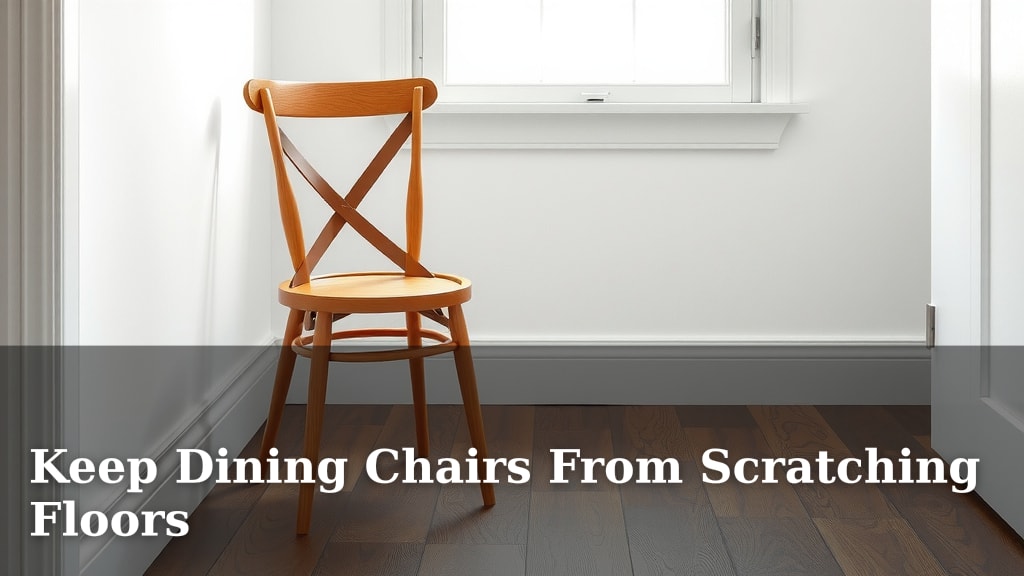
Keep Dining Chairs From Scratching Floors
You can easily keep dining chairs from scratching your floors by adding protective felt pads to the legs. This simple fix prevents scrapes and scuffs. It’s a quick, affordable solution to protect your flooring from damage. Just choose the right size pads for your chair legs.
Scratched floors can be a real headache and costly to repair. From hardwood to laminate, many floor types are susceptible to damage from furniture. Applying protective coverings is one of the most effective ways to avoid this. It helps maintain your floor’s appearance and value.
- Add felt pads to chair legs.
- Use furniture sliders for easy movement.
- Consider chair leg caps for extra protection.
- Regularly check and replace worn pads.
- Clean floors before chairs are moved.
Ready to save your floors? Let’s walk through the best ways to protect them from your dining chairs.
Protect Your Floors From Dining Chairs
You’ve got beautiful floors, and you want to keep them that way. Dining chairs, with their constant movement, can be a real threat. We’ve all heard that tell-tale scrape. It’s a sound that makes your heart sink a little. Fortunately, there are simple and effective ways to prevent those scratches. You can easily keep dining chairs from scratching your floors with a few smart strategies.
Felt Pads: Your Floor’s Best Friend
Felt pads are the absolute gold standard for protecting your floors. They act like tiny, invisible shields for your chair legs. They’re inexpensive and incredibly easy to apply. You can find them in almost any hardware or home goods store. They come in various shapes and sizes to fit just about any chair leg. Research shows that felt is a highly effective material for reducing friction (National Wood Flooring Association).
Choosing the Right Felt Pads
Not all felt pads are created equal. The best ones are thick and dense. They should feel substantial, not flimsy. Thin felt will wear down quickly. It will then offer less protection. Look for pads with a strong adhesive backing. This will help them stay put. You don’t want pads falling off every time someone gets up from the table.
Types of Adhesive Felt Pads
You’ll typically find two main types of adhesive felt pads. There are pre-cut shapes like circles and squares. There are also large sheets you can cut to size. Pre-cut pads are convenient for standard chair legs. If your chairs have unusually shaped feet, a large sheet might be better. You can then trace and cut a custom fit. This ensures complete coverage.
How to Apply Felt Pads
Applying felt pads is a breeze. First, make sure the bottom of your chair legs are clean and dry. Any dirt or debris can affect the adhesive. Peel the backing off the felt pad. Press it firmly onto the bottom of the chair leg. Hold it for a few seconds to ensure a good bond. For the best results, we recommend letting the adhesive cure for at least 24 hours before moving the chairs around too much. This gives the glue time to fully set.
When to Replace Felt Pads
Felt pads do wear out over time. It’s a normal part of their function. They do their job by taking the brunt of the friction. You’ll need to check them periodically. Look for signs of wear and tear. This includes thinning, fraying, or missing pieces. Replacing worn pads is essential. Old, worn-out pads offer little protection. You can find replacement packs affordably.
Furniture Sliders: For Effortless Movement
If you often move your dining chairs, furniture sliders are another fantastic option. They work by creating a low-friction surface. This allows chairs to glide smoothly across the floor. They’re especially helpful on carpets, but they also work wonders on hard floors. Sliders can make it much easier to rearrange your dining area. They also minimize the risk of scrapes.
Slider Materials and Types
Sliders come in various materials. Some are made of hard plastic, others of felt or rubber. For hardwood and laminate floors, a slider with a felt bottom is often best. This provides both protection and smooth movement. Plastic sliders can be a good choice for carpet. Some sliders have a raised lip. This helps keep the chair leg centered. Many are designed to be nailed or screwed into the chair leg. Others are adhesive.
Applying Slider Pads
The application process is similar to felt pads. Ensure the chair leg is clean. For adhesive sliders, press them firmly onto the base. For nail-in or screw-in types, you’ll need a hammer or screwdriver. Make sure they are secured tightly. You want them to stay on. It’s a good idea to test a chair after application. Gently slide it to ensure smooth movement. We found that sliders with a good adhesive were the easiest to apply.
Chair Leg Caps: A Snug Fit for Protection
Chair leg caps offer a different kind of protection. They essentially ‘hug’ the entire bottom of the chair leg. This provides a physical barrier. These caps are often made of silicone, rubber, or a soft plastic. They slip over the legs like a sock. They are a great choice for chairs that might wobble. They can also add a bit of cushioning.
When to Use Chair Leg Caps
Caps are particularly useful for chairs with smaller, uneven, or oddly shaped legs. They conform to the leg’s shape. This offers robust protection. They are also a good choice if you’re worried about legs shifting. The snug fit helps prevent this. Some people find they add a nice aesthetic touch too. They can come in various colors. They can match your decor.
Choosing the Right Size Caps
Getting the right size is key for leg caps. Measure the dimensions of your chair legs. Look for caps that are designed for that specific size and shape. Most manufacturers provide sizing guides. Check these carefully. A cap that’s too small won’t fit. A cap that’s too large might slip off. It’s like finding the right shoes – they need to fit well to do their job.
Maintaining Your Floor Protection
No matter which method you choose, maintenance is important. Regularly inspect all protective coverings. We recommend doing this monthly. Look for any signs of damage or wear. Replace anything that looks compromised. Also, remember to clean your floors regularly. Dust and grit can get trapped. This can cause micro-scratches even with protectors in place. Sweeping or vacuuming often makes a difference.
Cleaning Underneath Protectors
Sometimes, small debris can get lodged under felt pads or sliders. This can be abrasive. Gently lift the chair leg. Use a vacuum cleaner attachment. Or use a damp cloth to clean the area. This helps maintain the effectiveness of your chosen protection. A clean floor means a protected floor.
When to Consider New Protectors
If you notice new scratches appearing, it’s time for a review. Your current protectors might be worn out. Or they might not be the right type for your flooring. Perhaps the adhesive has failed on some. It’s often less expensive to replace a few pads than to refinish your floors. Think of it as a small investment in your home’s appearance. We found that consistently checking these protectors makes a big difference in long-term floor health.
Here’s a quick checklist to help you get started:- Measure your chair legs to select the correct size pads or caps.
- Clean chair legs thoroughly before applying any protectors.
- Choose the protector type that best suits your flooring material.
- Apply protectors firmly and allow adhesive to cure if applicable.
- Schedule regular checks to replace worn or damaged protectors.
- Keep your floors clean to prevent grit from accumulating.
Conclusion
You now have the knowledge to protect your beautiful floors from dining chair scratches. Remember, simple solutions like felt pads, sliders, and leg caps make a big difference. Consistent maintenance is key to their effectiveness. Regularly check for wear and tear. Keep your floors clean to prevent hidden grit. By taking these small steps, you can maintain your home’s appearance and avoid costly repairs. Your floors will thank you for it!
Frequently Asked Questions
Can I use the same floor protectors on all types of flooring?
Generally, felt-bottomed protectors are best for hardwood and laminate. For tile or stone, rubber or silicone might offer better grip. Always consider your specific flooring material when choosing. Researching compatibility will save you trouble.
How often should I replace felt pads on my dining chairs?
You should check your felt pads monthly for signs of wear. If they are thinning, fraying, or coming loose, replace them immediately. Worn pads offer little protection and can cause scratches.
What’s the easiest way to apply chair leg protectors?
Adhesive felt pads or sliders are usually the easiest to apply. Ensure the chair legs are clean and dry. Peel off the backing and press firmly. For a strong bond, allow the adhesive to cure for 24 hours before heavy use.
My chair legs are an odd shape. What’s the best protector?
If your chair legs are unusually shaped, chair leg caps made of silicone or rubber are a great option. They can stretch and conform to various leg shapes. You can also buy large felt sheets and cut them to create a custom fit.
Will furniture sliders work on carpet?
Yes, furniture sliders are excellent for carpet. They create a low-friction surface that allows chairs to glide easily. While felt is ideal for hard floors, plastic or specialized carpet sliders are very effective for plush surfaces.