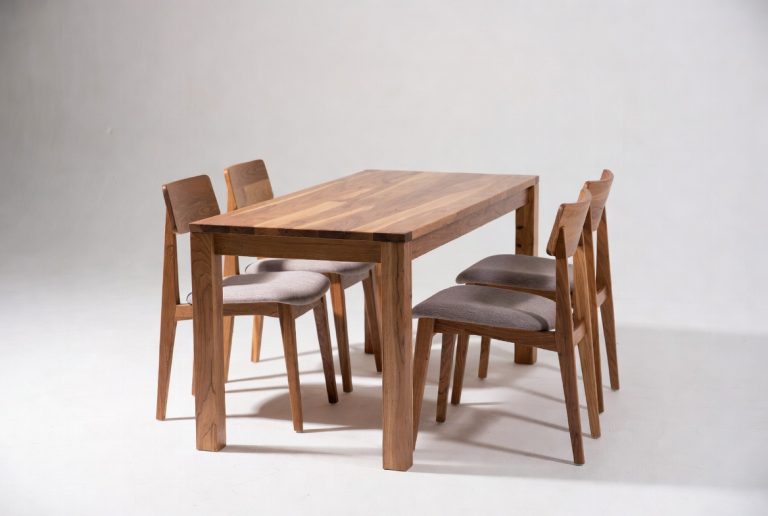

How Tall Should Dining Room Chairs Be?
Your dining room chairs should be about 10 to 12 inches shorter than your dining table’s height. This space ensures you have enough legroom to sit comfortably. You want to avoid chairs that are too high or too low for your table. The ideal height difference makes dining pleasant.
Choosing the right chair height is key for a functional and comfortable dining space. It’s not just about looks; it directly impacts how you enjoy your meals. We found that getting this measurement right prevents awkward seating and allows for easy movement around the table. It’s a simple detail that makes a big difference.
- Aim for 10-12 inches between your chair seat and the tabletop.
- Table height minus chair height determines comfortable legroom.
- Too high or too low chairs lead to discomfort.
- Proper height ensures easy entry and exit from the table.
Let’s figure out the perfect chair height for your dining setup.
You’ve got the table, now for the chairs! Finding the right dining chair height is more than just a stylistic choice; it’s about making sure your dining space is actually comfortable to use. We want you to be able to sit, eat, and chat without feeling cramped or awkward. Let’s break down what makes a dining chair the “right” height.
Getting the Dining Chair Height Just Right
The sweet spot for dining chair height is all about creating enough legroom. Many interior design guidelines recommend a 10 to 12-inch gap between the top of your chair’s seat and the underside of your dining table (National Home Builders Association). This range is considered ideal for most people to dine comfortably.
Think of it like this: you need space for your legs to slide under the table. Too little space and your knees will bump the table’s apron or drawers. Too much space and you might find yourself slouching or feeling like you’re sitting too low. We want that Goldilocks zone – just right!
Understanding the Standard Dining Set Dimensions
Most standard dining tables stand about 30 inches high. This is a common benchmark. When you pair this with a standard dining chair that has a seat height of around 18 inches, you get that perfect 12-inch clearance.
However, not all tables and chairs are created equal! There are many variations out there. This is where measuring becomes your best friend. You wouldn’t buy shoes without trying them on, right? The same applies to your dining set.
Standard Table Height Range
Generally, standard dining tables fall between 28 to 31 inches tall. This range covers most traditional and contemporary dining table designs. So, if your table is on the shorter side, your chairs might need to be too.
Standard Chair Seat Height Range
Similarly, standard dining chairs typically have a seat height of 17 to 19 inches. This measurement is from the floor to the very top of the seat cushion. It’s a crucial number to have when you’re pairing chairs with a table.
What Happens When Chair Height is Off?
Sitting at a table with chairs that are too high can be quite uncomfortable. Your arms might feel too high when you’re eating, leading to strain in your shoulders and neck. You may also find it difficult to slide your chair in and out easily. It can feel like you’re constantly trying to climb into your seat!
On the flip side, chairs that are too low can cause you to hunch over the table. This posture isn’t great for digestion or for enjoying your meal. Many experts point out that prolonged poor posture can lead to back pain and discomfort (Cleveland Clinic). You don’t want your dinner to be a pain in your back, do you?
The Impact of Table Aprons
Don’t forget about the table apron! This is the piece of wood or metal that connects the tabletop to the legs. Some tables have very thick aprons that hang down quite low. This can eat into your legroom, even if the overall table height seems standard.
If your table has a deep apron, you might need chairs with a slightly lower seat height than usual. You want to ensure you have at least 6 inches of clearance between your lap and the bottom of the apron. This little detail makes a big difference in comfort.
Beyond Standard: Handling Non-Standard Furniture
What if you have a counter-height table or a bar? Or perhaps you found some amazing antique chairs that don’t fit the usual mold? Don’t worry, we’ve got you covered.
Counter-Height Tables and Chairs
Counter-height tables are typically taller, usually around 34 to 36 inches high. For these tables, you’ll want counter-height chairs. These chairs generally have a seat height of 24 to 26 inches.
This provides the needed 9 to 10-inch gap. It’s slightly less than a standard dining set, but perfect for the higher table. Think of your kitchen island stools – they’re usually in this range!
Bar-Height Tables and Stools
Bar-height tables, also known as pub tables, are the tallest, often standing at 40 to 42 inches. The stools that go with them need to be even higher. Bar stools typically have a seat height of 28 to 30 inches.
This leaves about an 8 to 14-inch difference, which works well for this taller setup. This is great for a dedicated bar area or a tall breakfast nook.
When to Measure Your Specific Set
It’s always best to measure, especially if your furniture isn’t standard. Here’s a simple checklist to help you get it right:
- Measure your table height from the floor to the underside of the tabletop.
- Measure the seat height of potential chairs from the floor to the top of the seat cushion.
- Subtract the chair height from the table height.
- Aim for a difference of 10-12 inches for standard dining.
- Check for table aprons; ensure 6+ inches of lap clearance.
- Consider your own comfort and how you like to sit.
What About Different Seating Materials?
The material of your chair seat can affect perceived height. A plush, upholstered seat might compress a bit when you sit down, making it feel slightly lower than a hard wooden or metal seat. Conversely, a very firm seat might feel a bit higher.
While this difference is usually minimal, it’s something to keep in mind. If you’re borderline on height clearance, consider how the seat material might impact the actual seating experience. We found that a softer cushion often feels more forgiving.
Considering Armrests: A Hidden Height Factor
Armrests add another dimension to chair height. Ensure that chairs with armrests can slide comfortably under your table. Measure the height from the floor to the bottom of the armrest.
This measurement needs to be less than the height from the floor to the underside of your table’s apron or the tabletop itself if there’s no apron. If the armrests are too high, the chairs won’t fit neatly under the table, which can be a real annoyance. It’s a small detail, but it impacts how tidy and functional your space feels.
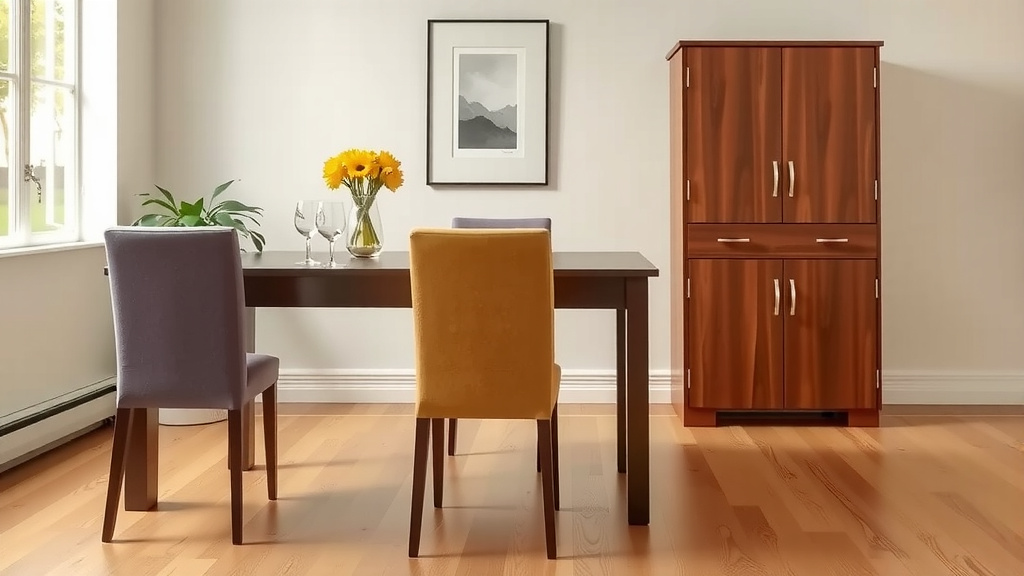
Conclusion
You’ve learned that the perfect dining chair height is all about that sweet spot – a 10 to 12-inch gap between the seat and the tabletop. This ensures comfortable legroom and easy movement. We found that even small variations in table or chair height, like those caused by table aprons or armrests, can impact your dining experience.
Whether you have standard tables, counter-height options, or bar setups, measuring is your best friend. Don’t forget to consider seat material and armrest clearance. Now, armed with this knowledge, you can confidently select chairs that make your dining room a place of comfort and enjoyment. Go ahead and measure your space to find your perfect match!
Frequently Asked Questions
What’s the most important measurement for dining chair height?
The most critical measurement is the space between the top of your chair’s seat and the underside of your dining table. You want this gap to be between 10 and 12 inches for comfortable dining.
Can I use regular dining chairs with a counter-height table?
No, you generally cannot. Counter-height tables are taller (around 34-36 inches), requiring specific counter-height chairs with seats around 24-26 inches to maintain proper spacing.
What if my dining table has a thick apron?
A thick table apron reduces legroom. You’ll need to ensure your chairs have a lower seat height and that you still have at least 6 inches of clearance between your lap and the bottom of the apron.
Do armrests affect how dining chairs fit under a table?
Yes, armrests can. You must measure the height from the floor to the bottom of the armrest and confirm it’s lower than the table’s apron or underside so the chairs can slide underneath.
How do I know if my chair height is too low?
If your chair height is too low, you’ll likely find yourself hunching over the table to eat. This posture can be uncomfortable and potentially lead to back pain over time.