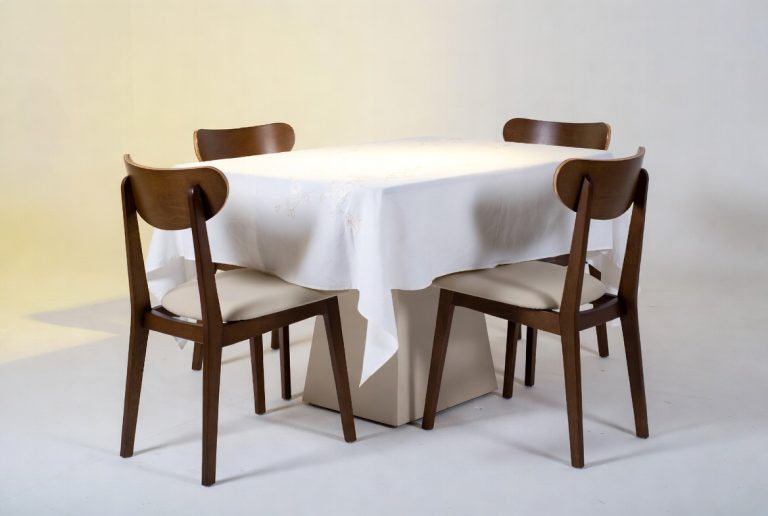

How to Fix Dining Table Chairs: Step-by-Step
Fixing wobbly or damaged dining table chairs is often a DIY-friendly task. You can usually repair loose legs, wobbly seats, and broken spindles using common household tools. This guide will show you how to get your dining chairs back in tip-top shape without needing a professional.
Don’t let a broken chair ruin your dinner party. Many common chair problems, like a loose joint or a squeaky leg, are fixable with a little patience and the right approach. We found that identifying the specific issue is the first step to a successful repair.
- Assess the damage carefully.
- Gather the right tools and supplies.
- Tighten loose joints and hardware.
- Repair or replace broken parts.
- Reinforce weak spots for durability.
Let’s walk through exactly how to fix your dining table chairs, step by step, so you can get back to enjoying meals without worry.
Getting Your Dining Chairs Back in Shape: A Step-by-Step Fix
Is your dining chair wobbly? Does it creak with every move? You’re not alone! Many chairs develop issues over time. Luckily, most common chair problems are surprisingly fixable. We found that with a little patience, you can restore your chairs to their former glory. Let’s dive into how to fix your dining table chairs.
Step 1: Identify the Problem Area
Before you grab any tools, it’s essential to know exactly what’s wrong. Different problems require different solutions. A loose leg needs a different fix than a cracked seat. Carefully examine each chair that needs attention. Look for any obvious signs of damage or wear.
Common Dining Chair Issues We See
You might notice a few recurring problems. A chair might feel like it’s about to collapse. This is usually due to loose joints. Or perhaps a leg just wobbles no matter what you do. Sometimes, the seat itself might feel weak or even cracked. Broken spindles are also quite common, especially on older chairs. We found that often, a combination of these issues can occur.
Where to Look for Damage
Start at the bottom and work your way up. Check where each leg meets the seat. Are the screws tight? Is the wood glue still holding? Next, inspect the stretchers or aprons that connect the legs. These are vital for stability. Also, look at the seat itself. Is it solid or does it flex? Don’t forget the backrest. Are the spindles or slats secure?
Step 2: Gather Your Repair Toolkit
Having the right tools makes all the difference. You don’t need a full workshop for most repairs. A few basic items will get the job done. This will save you time and frustration. We recommend having these on hand before you begin.
Essential Tools and Supplies
For most repairs, you’ll need a screwdriver set with various heads. A hammer is also a must-have, along with some wood glue. Clamps are incredibly useful for holding pieces together while glue dries. You might also need a wrench if your chairs have bolts. Sandpaper is handy for smoothing rough edges.
Fasteners and Adhesives
Wood glue is your best friend here. Make sure it’s a good quality wood glue. You might also need extra screws or bolts if some are missing or stripped. Sometimes, small wooden dowels are used in construction. Having a few of these handy can be a lifesaver. Many experts say to use the right type of adhesive for wood-to-wood joints (Woodworkers Guild of America).
Safety First!
Always wear safety glasses when hammering or dealing with wood. If you’re sanding, a dust mask is a good idea. Work in a well-lit area. Ensure your workspace is clear of tripping hazards. We found that taking a few moments for safety prevents accidents.
Step 3: Tighten Loose Joints and Hardware
This is often the easiest fix and yields great results. A wobbly chair is usually just a chair that needs tightening. Think of it like giving your chair a firm hug.
Securing Legs to the Seat
Most dining chairs have screws or bolts holding the legs to the seat frame. Look underneath the seat. You’ll likely see where the legs attach. Use your screwdriver or wrench to tighten any loose hardware. Don’t overtighten, as this can strip the screws or crack the wood. Just make them snug.
Addressing Loose Stretchers and Aprons
These are the pieces of wood connecting the legs, often found near the floor or under the seat. If they are loose, the whole chair will feel unstable. If they are attached with screws, tighten them. If they are joined with mortise and tenon joints (where one piece fits into another), you might need to add a little wood glue and clamp them. We found that reinforcing these connections makes a huge difference in overall sturdiness.

Step 4: Repairing or Replacing Damaged Parts
Sometimes, tightening isn’t enough. You might have a split piece of wood or a broken part. Don’t despair; these can usually be repaired.
Fixing Cracked Wood
For minor cracks, wood glue can often do the trick. Apply glue into the crack. Then, use clamps to hold the wood firmly together until the glue dries completely. Wipe away any excess glue that squeezes out before it hardens. For larger cracks or breaks, you might need to reinforce the area. Wood dowels or small metal plates can add strength. Many restoration guides suggest using a quality wood glue and a strong clamp for a lasting repair (Fine Woodworking).
Dealing with Broken Spindles or Rungs
If a spindle or rung has completely broken, you’ll need to replace it. If you can find an identical piece at a salvage yard or online furniture parts store, that’s ideal. If not, you might need to get a similar piece of wood and shape it to fit. You’ll likely need to glue the new piece in place and perhaps secure it with a dowel or screw.
Step 5: Reinforce for Long-Term Stability
Once you’ve made repairs, consider adding a little extra strength. This will help prevent future issues. It’s like giving your chair a little insurance policy against wobbles.
Adding Corner Blocks
Corner blocks are small triangular pieces of wood placed inside the corners where the legs meet the seat frame. They add significant support. If your chairs didn’t come with them, you can easily add them. Cut small triangular blocks and glue and screw them into place.
Regular Maintenance Checklist
Keep your chairs in good shape with a little ongoing care. Here’s a quick checklist:
- Check all screws and bolts for tightness every 6 months.
- Inspect for any new cracks or signs of wear.
- Clean up spills immediately to prevent wood damage.
- Avoid dragging chairs across the floor; lift them instead.
- Reapply wood glue to any joints that feel loose.
Conclusion
You’ve now seen how fixing your dining chairs is well within your reach. From identifying loose joints to repairing broken parts, these steps can bring stability back to your furniture. Don’t let wobbly chairs keep you from enjoying meals together. With just a few basic tools and a bit of effort, you can restore your chairs and feel proud of your work. Your next step is to gather your toolkit and tackle that first wobbly chair. You’ve got this!
Frequently Asked Questions
How do I know if a chair is worth repairing?
Consider the cost of replacement versus the time and materials for repair. If the frame is solid and the damage is primarily loose joints or minor cracks, it’s usually worth fixing. Chairs with extensive wood rot or structural damage might be more challenging.
What’s the best type of glue for chair repairs?
High-quality wood glue is your best bet for most chair repairs. It creates a strong bond that’s designed for wood-to-wood connections. Ensure you follow the drying times recommended on the glue bottle for the strongest bond.
Can I fix a chair with missing parts?
Yes, you often can! For missing screws or bolts, you can usually find replacements at a hardware store. If a wooden part like a spindle is missing, you might need to find a matching piece from a furniture parts supplier or even craft a replacement yourself.
My chair still wobbles after tightening screws. What else can I do?
If tightening hardware didn’t solve it, the issue might be loose wood joints. You may need to carefully separate the joint, clean out old glue, apply new wood glue, and clamp it tightly while it dries. Adding corner blocks for extra support can also help stabilize a wobbly chair.
How often should I maintain my dining chairs?
It’s a good idea to give your dining chairs a quick check every 6 months. Look for any loose screws or signs of wear. This regular maintenance can catch small problems before they become bigger, more difficult repairs.