

How to Measure Dining Chairs for Perfect Fit
Measuring dining chairs for a perfect fit involves looking at three key dimensions: seat height, seat width, and chair back height. Getting these right ensures comfort and proper proportion with your dining table. It’s about more than just looks; it’s about making sure you and your guests can dine comfortably.
When you measure your dining chairs, consider how they’ll interact with your table’s height and leg room. You want enough space to slide the chairs under the table easily. Proper measurements also prevent chairs from feeling too cramped or too spread out, creating a harmonious dining space. We found that many people overlook these simple steps, leading to awkward seating arrangements.
- Measure seat height from the floor to the top of the cushion.
- Check seat width from one side of the seat to the other.
- Note the chair back height from the seat to the top of the backrest.
- Consider armrest height if applicable for table clearance.
- Always measure with a flexible tape measure for accuracy.
Let’s walk through exactly how to get these measurements for your dining chairs.
Getting Your Dining Chair Measurements Right
Ensuring your dining chairs fit perfectly with your table is surprisingly simple. It boils down to a few key measurements. You want to make sure chairs slide under the table easily. You also want enough legroom for comfortable seating. Let’s break down exactly what you need to measure and why it matters.
Understanding the Essential Measurements
Seat Height: The Foundation of Comfort
Seat height is arguably the most important measurement. It dictates how comfortably you can sit at your table. You want enough clearance between the seat and the tabletop. This allows for easy entry and exit from the chair. It also prevents your knees from hitting the underside of the table. Many guidelines suggest a specific range for ideal seat height relative to table height.
To measure seat height, you’ll need a flexible tape measure. Place the tape measure on the floor. Extend it straight up to the highest point of the seat cushion. This is the measurement you’ll compare against your table height. Aim for consistency across all your chairs.
Seat Width: Room to Relax
Next, consider the seat width. This refers to how wide the seating area is. You don’t want chairs that feel too cramped. Nor do you want them so wide that they don’t fit comfortably around your table. Adequate seat width contributes to overall dining comfort. It allows you to shift slightly while seated.
Measure the seat width from the outer edge of one side of the seat to the outer edge of the other side. This typically means going from the left armrest support to the right armrest support, or simply across the widest part of the cushion if there are no arms. This measurement helps you determine how many chairs can fit around your table.
Chair Back Height: Visual Harmony and Support
Chair back height plays a role in both aesthetics and comfort. A taller back can offer more support. A shorter back might feel more visually light. For a dining table, the back height also needs to consider how much space it takes up visually. It shouldn’t overpower the table.
To measure the chair back height, start at the top of the seat cushion. Extend your tape measure straight up to the highest point of the chair’s backrest. This measurement is especially useful if you’re concerned about chairs feeling too imposing or if you want to ensure they fit under a specific counter or buffet.
Special Considerations for a Perfect Fit
Armrest Height: The Table Clearance Check
If your dining chairs have arms, you’ll need to pay attention to armrest height. This is critical for ensuring the chairs can slide under the table. You don’t want to find out your chairs don’t fit after you’ve bought them!
Measure the armrest height from the floor to the top of the armrest. Then, measure the clearance from the floor to the underside of your dining table. Compare these two measurements. The armrest height must be less than the table clearance. We found that many people forget this step, leading to awkward table and chair pairings.
Overall Chair Dimensions: Beyond the Basics
While seat height, width, and back height are primary, don’t forget the overall footprint of the chair. This includes the depth of the seat and the width of the legs. Consider how much space each chair will take up. This is especially important for smaller dining areas.
You might also want to measure the overall depth of the chair from front to back. This helps visualize how much space each person will need. Think about how much room you need between chairs for comfortable movement. We suggest having at least 24-30 inches of space between the edges of chairs on opposite sides of the table.
Tips for Accurate Measurement
Using the right tools and techniques ensures you get accurate measurements. This avoids costly mistakes and ensures your dining set is comfortable and functional for everyone.
- Always use a flexible tape measure. It can bend around cushions and chair frames easily.
- Measure multiple times if you’re unsure. A quick double-check can save you a headache.
- If measuring existing chairs, ensure they are on a level surface.
- Keep your measurements organized. Write them down as you go.
- Consider the material. Cushioned seats will compress slightly.
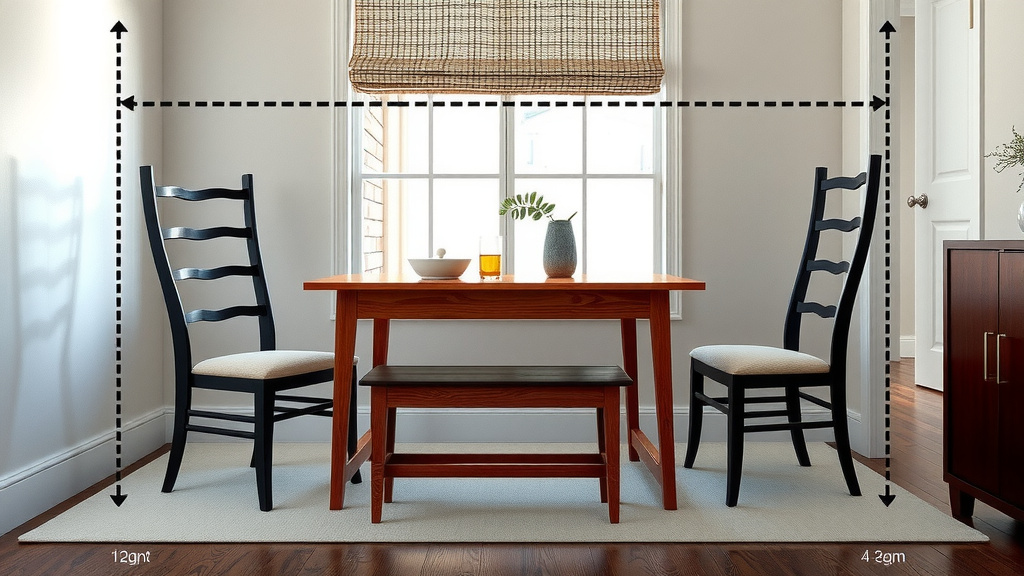
What to Look for in Dining Chair Measurements
When you’re shopping for new chairs or assessing your current ones, keep these ideal ranges in mind. These are based on common ergonomic guidelines and table heights.
| Measurement | Ideal Range (Approximate) | Notes |
|---|---|---|
| Seat Height | 17-19 inches | For standard dining tables (30 inches high) |
| Table to Seat Clearance | 10-12 inches | Allows for comfortable legroom |
| Seat Width | 18-22 inches | For comfortable seating |
| Chair Back Height | 30-40 inches | Can vary based on style and preference |
| Armrest Height | 25-28 inches | Must be lower than table apron |
A Quick Measurement Checklist
Here’s a handy checklist to help you gather all the necessary information:
- Seat Height (Floor to top of cushion)
- Seat Width (Side to side)
- Chair Back Height (Seat to top of backrest)
- Armrest Height (Floor to top of armrest, if applicable)
- Table Clearance (Floor to underside of table apron)
- Overall Depth (Front to back)
Conclusion
Getting your dining chair measurements right is key to a comfortable and stylish dining space. You’ve learned how seat height, width, and back height all play a role. Remember to also check armrest clearance and overall chair dimensions. These simple steps ensure your chairs fit perfectly with your table. Now you can confidently select or arrange your dining chairs. Your next step is to grab your tape measure and confirm these dimensions for your own dining area.
Frequently Asked Questions
What is the ideal gap between my dining chair seat and the table?
You’ll want about 10 to 12 inches of clearance between the top of your chair’s seat and the underside of your dining table. This provides comfortable legroom. It allows you to slide in and out of the chair easily.
How much space should I leave between dining chairs around the table?
We found that aiming for 24 to 30 inches between the edges of chairs on opposite sides of the table is ideal. This ensures enough room for guests to move comfortably. It prevents the chairs from feeling too crowded.
Can I use a regular tape measure for dining chairs?
A flexible tape measure is best for dining chairs. It can easily bend around seat cushions and chair frames for accurate readings. A rigid tape measure might not give you the true dimensions, especially on softer seats.
My chairs have arms, but they seem too high for my table. What should I do?
If your armrest height exceeds the table clearance, your chairs likely won’t fit under the table. You’ll need to measure the armrest height from the floor. Compare this to the space between the floor and the table’s underside. If it’s too tall, you might need different chairs.
What if my dining table has a thick apron or legs that get in the way?
The table’s apron or legs can affect chair fit. Always measure the actual clearance from the floor to the lowest point of the table’s underside. This is especially important if your table has decorative elements or a substantial apron. Ensure your chair arms clear this space.


![7 Best Upholstered Dining Chairs [2026]](https://seatvit.com/wp-content/uploads/2026/06/7-best-upholstered-dining-chairs-2026-featured-768x432.jpg)