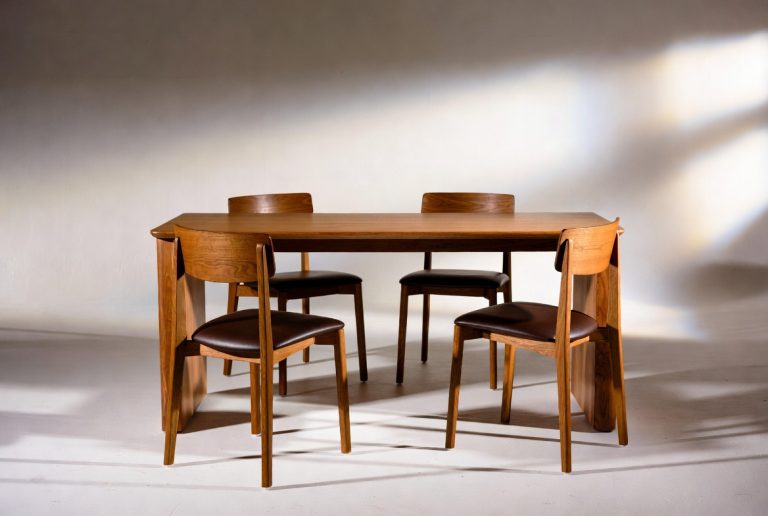

How to Pick Chairs for a Dining Table: Guide
Picking the right chairs for your dining table is all about finding the perfect balance between style and comfort. Your dining chairs should complement your table’s design, fit comfortably around it, and be a place you and your guests actually want to sit. We found that considering height, material, and overall design are key factors for making sure your new chairs look and feel great.
It’s more than just picking pretty seats. You need chairs that will stand up to daily use and encourage lingering conversation. Many experts agree that a good dining chair offers proper support and is easy to clean. Think about how you use your dining space most often. This will help you choose chairs that are both beautiful and functional for your lifestyle.
TL;DR:
- Measure chair height to match your table.
- Consider durable, easy-to-clean materials.
- Ensure chairs offer good back and seat support.
- Match chair style to your table and room decor.
Let’s walk through exactly how to pick chairs that you’ll absolutely love sitting in, meal after meal.
Choosing the Right Dining Chairs for Your Table
Selecting dining chairs can feel like a big decision. You want chairs that are comfortable, stylish, and practical. We found that paying attention to a few key details makes all the difference. Let’s break down how to pick chairs that you and your guests will love.
Understanding Chair Dimensions and Table Height
Getting the height right is probably the most important step. Your chairs need to fit your table perfectly. This ensures everyone can eat comfortably. Imagine hunching over or having your knees bump the underside of the table. We want to avoid that!
Ideal Seat Height vs. Table Height
As a general rule, the space between the top of your dining chair seat and the underside of your dining table should be about 10 to 12 inches. Many furniture experts suggest this range for optimal comfort.
This gap allows for enough legroom. It also ensures your elbows can rest comfortably on the table surface while you’re seated. We found that tables typically range from 28 to 30 inches high.
Measuring Your Table
Start by measuring the height of your dining table. Measure from the floor to the underside of the tabletop. This measurement is your starting point. Next, consider the height of potential chairs. Look at the seat height measurement.
Calculating Chair Seat Height
Subtract about 10 to 12 inches from your table’s underside height. This will give you the target seat height for your chairs. For example, if your table is 30 inches high, you’ll want chairs with a seat height of around 18 to 20 inches.
Always check the chair’s specifications for seat height. Some chairs have thicker cushions that add to the overall seat height. We recommend confirming this before you buy.
Considering Chair Comfort and Support
Comfort is key, especially if you enjoy long dinners or have a large family. Nobody wants to feel fidgety or uncomfortable after just a few minutes. We found that good support makes a big difference.
Back Support Matters
Look for chairs with adequate back support. The backrest should support the natural curve of your spine. Many ergonomic guidelines suggest a backrest that extends high enough to support your mid-back. Some chairs offer lumbar support built right in.
Chairs with a slight recline can also feel more comfortable. This is especially true for chairs intended for leisurely meals. We found that chairs with gently curved backs often provide the best feel.
Seat Depth and Width
The seat should be deep enough to support your thighs without digging into the back of your knees. A good rule of thumb is about 15 to 17 inches of seat depth. The width should be comfortable for average-sized adults.
We also found that armrests can add comfort. However, make sure armrests won’t bump into your table. Measure the height of the armrests. Ensure they will slide easily under the tabletop. Some tables are too low for chairs with arms.
Material Choices for Durability and Style
The materials of your dining chairs will affect their look, feel, and how easy they are to maintain. Think about your lifestyle. Do you have young children or pets? Messes might be common.
Wood Chairs
Wood is a classic choice. It’s durable and can be found in many styles, from rustic to modern. Hardwoods like oak, maple, and cherry are strong and long-lasting. They can be stained or painted to match your decor. We found that solid wood chairs are an investment that can last for years.
Upholstered Chairs
Upholstered chairs offer superior comfort. Fabrics like leather, velvet, or durable synthetics can add a touch of luxury. For high-traffic areas, choose fabrics that are stain-resistant and easy to clean. Many experts recommend performance fabrics for dining areas.
Consider slipcovers if you’re worried about spills. They can easily be removed and washed. We found that darker colors or patterns can hide minor stains better.
Metal and Wicker Chairs
Metal chairs can offer a sleek, modern look. They are generally durable. Wicker or rattan chairs bring a natural, bohemian vibe. These materials might require cushions for added comfort. We found that metal can sometimes feel cold without a cushion.
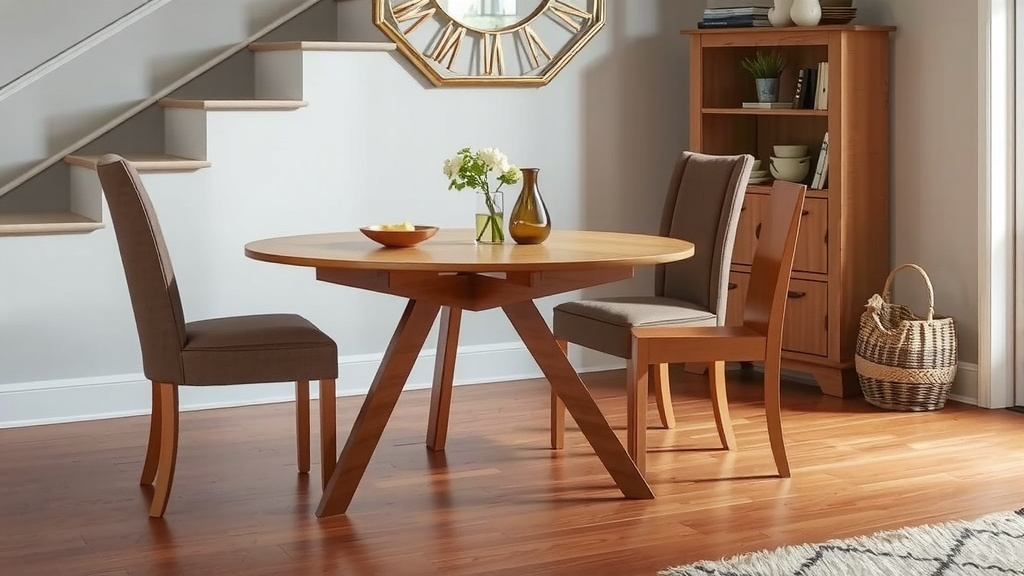
Style Harmony: Matching Chairs to Your Table and Room
Your dining chairs should create a cohesive look with your dining table and the rest of your room. They are part of a larger design story.
Complementing Your Table’s Style
If you have a farmhouse-style wood table, chairs with simple lines or a slightly rustic feel would work well. For a sleek, modern glass table, consider chairs with clean lines and perhaps metal or minimalist designs.
You don’t have to match perfectly. Mixing and matching can be stylish. For instance, upholstered chairs can soften a heavy wood table. We found that contrast can create visual interest.
Considering Your Room’s Decor
Think about the overall style of your dining room or open-concept living space. Are your walls a bold color? Is the room filled with natural light? Your chairs should fit into this picture.
A formal dining room might call for elegant chairs with refined fabrics. A casual eat-in kitchen might suit more relaxed, durable chairs. We found that color, texture, and silhouette all play a role in the final look.
Practical Considerations for Everyday Use
Beyond looks and comfort, think about how the chairs will function in your daily life. What are your priorities?
Ease of Cleaning
For busy households, easy-to-clean materials are a must. Smooth surfaces like wood, metal, or faux leather are often simple to wipe down. For upholstered chairs, check the cleaning codes. Some fabrics require professional cleaning.
We found that families with young children often prefer chairs that can be wiped clean with a damp cloth. This saves a lot of stress!
Durability and Longevity
Consider how often you use your dining table. If it’s for daily meals, you’ll want chairs that can withstand frequent use. Look for sturdy construction and durable materials. We found that well-made chairs are an investment in your home.
Chair Weight and Movability
How easy are the chairs to move? If you often rearrange your dining space or need to tuck chairs away, a lighter chair might be better. Heavy chairs can be a nuisance to move in and out.
Some chairs are designed to stack or slide easily. We found that it’s worth considering how you’ll interact with the chairs day-to-day.
Armchairs vs. Side Chairs
Armchairs offer extra comfort and can make a dining room feel more formal or luxurious. However, they take up more space. Side chairs are armless and are often more space-efficient.
A common approach is to use armchairs at the head of the table and side chairs along the sides. This adds visual interest and practicality. We found that this blend can often achieve the best of both worlds.
Your Dining Chair Checklist
Ready to find your perfect dining chairs? Keep this quick checklist handy:
- Measure your table height and calculate the ideal chair seat height (10-12 inches difference).
- Check the seat depth and back support for comfort.
- Consider materials based on durability and how easy they are to clean.
- Ensure the chair style complements your table and room decor.
- Confirm armrests (if any) fit under your table.
- Think about how much space you have and how often you’ll move the chairs.
Conclusion
You’ve learned that picking the perfect dining chairs involves more than just aesthetics. It’s about ensuring comfort, proper fit, and durability for your lifestyle. By focusing on chair height relative to your table, considering material durability and style, and checking for adequate support, you’re well-equipped to make a smart choice. Don’t forget to think about how the chairs will function daily in your space. Now, take your checklist and start browsing – your ideal dining chairs are waiting!
Frequently Asked Questions
How much legroom should there be between my dining table and chairs?
Aim for 10 to 12 inches of space between the top of the chair seat and the underside of your dining table. This ensures you have enough room to sit comfortably without your knees hitting the table. We found this gap is key for relaxed dining.
What’s the best material for dining chairs if I have kids?
For busy households with children, opt for chairs made from durable, easy-to-clean materials. Smooth wood, faux leather, or performance fabrics that are stain-resistant are excellent choices. These can be wiped down easily after any spills. We found this makes life much simpler.
Can I mix and match dining chair styles?
Absolutely! Mixing chair styles can add visual interest and personality to your dining space. You might choose upholstered chairs for the head of the table and simpler side chairs. We found that a bit of contrast often looks very stylish.
How do I know if armchair dining chairs will fit under my table?
You’ll need to measure the height of the armrests on the chairs you like. Then, measure the distance from the floor to the underside of your dining table. Ensure the armrest height is at least a couple of inches less than this measurement. This allows them to slide under easily.
Should I prioritize style or comfort for dining chairs?
The best dining chairs offer a balance of both style and comfort. While aesthetics are important, you’ll be spending time sitting in them, so comfort is key. We found that choosing chairs that look good but also provide good back support and a comfortable seat depth ensures you won’t have to compromise.


![7 Best Black Dining Chairs [2026]](https://seatvit.com/wp-content/uploads/2026/06/7-best-black-dining-chairs-2026-featured-768x432.jpg)